Welcome To Know Our Products,We Can Offer You High Quality Products!

Choosing the Best Backyard Fire Pit Material for Your Outdoor Space
2024-01-06
Table of Contents:
1. Introduction
2. Why Choose a Backyard Fire Pit?
3. Factors to Consider When Choosing Fire Pit Material
a. Durability
b. Aesthetics
c. Heat Retention
d. Maintenance
4. Types of Fire Pit Materials
a. Stone
b. Metal
c. Concrete
5. Comparing Fire Pit Materials
a. Stone vs. Metal
b. Stone vs. Concrete
c. Metal vs. Concrete
6. Frequently Asked Question
Table of Contents:
1.Introduction
1.
Introduction
2. Why Choose a Backyard Fire Pit?
3. Factors to Consider When Choosing Fire Pit Material
a. Durability
b. Aesthetics
c. Heat Retention
d. Maintenance
4. Types of Fire Pit Materials
a. Stone
b. Metal
c. Concrete
5. Comparing Fire Pit Materials
a. Stone vs. Metal
b. Stone vs. Concrete
c. Metal vs. Concrete
6. Frequently Asked Questions (FAQs)
a. What is the best fire pit material for a long-lasting fire pit?
b. Which fire pit material is the most visually appealing?
c. Do metal fire pits retain heat better than stone fire pits?
d. How often do concrete fire pits require maintenance?
e. Can different materials be combined to create a unique fire pit design?
7. Conclusion
Introduction
Creating a warm and inviting outdoor space is a popular trend among homeowners. A backyard fire pit can serve as the centerpiece, providing a cozy atmosphere for gatherings and relaxation. However, choosing the right fire pit material is crucial to ensure its longevity and aesthetic appeal. In this guide, we will explore the various factors to consider and compare different materials to help you make an informed decision.
Why Choose a Backyard Fire Pit?
A backyard fire pit offers numerous benefits, making it a desirable addition to any outdoor space. It not only provides warmth during chilly evenings but also creates a focal point for socializing and entertaining. Additionally, a fire pit can extend the usability of your outdoor area, allowing you to enjoy your backyard even during colder seasons. Whether it's roasting marshmallows with your family or hosting a cozy gathering with friends, a fire pit enhances the overall ambiance of your outdoor space.
Factors to Consider When Choosing Fire Pit Material
When selecting a fire pit material, several factors should be taken into consideration to ensure it meets your specific needs and preferences. Let's explore these factors in detail:
Durability
One of the key considerations when choosing a fire pit material is its durability. A fire pit should be able to withstand high temperatures, weather conditions, and the test of time. Opting for a material that is resistant to heat and corrosion will ensure your fire pit remains in good condition for years to come.
Aesthetics
The visual appeal of a fire pit is another crucial aspect to consider. Different materials offer unique aesthetics, allowing you to choose a style that complements your outdoor space. Whether you prefer a rustic stone look, a sleek and modern metal design, or a minimalist concrete finish, selecting a material that aligns with your desired aesthetic is essential.
Heat Retention
The ability of a fire pit material to retain heat is important for providing warmth and extending the duration of your fires. Some materials, such as stone, are known for their excellent heat retention properties, while others may dissipate heat more quickly. Considering the climate and average temperatures in your area will help you determine the ideal material for your fire pit.
Maintenance
The level of maintenance required for your fire pit material is another factor to consider. Some materials may require regular sealing, cleaning, or repairs, while others may be more low-maintenance. Assessing your willingness to invest time and effort into maintaining your fire pit will help you choose a material that suits your lifestyle.
Types of Fire Pit Materials
Now that we've discussed the important factors to consider, let's explore the different materials commonly used for fire pits:
Stone
Stone fire pits offer a timeless and natural aesthetic, blending seamlessly with various outdoor settings. Popular stone options include granite, sandstone, and limestone. Stone is known for its durability and heat retention properties, making it an excellent choice for long-lasting fires. Additionally, stone fire pits can be customized in different shapes and sizes to suit your preferences.
Metal
Metal fire pits, such as those made from stainless steel or cast iron, are prized for their sleek and contemporary appearance. Metal fire pits are often lightweight and portable, allowing you to easily rearrange your outdoor space. While metal may not retain heat as effectively as stone, it can be an excellent choice for those seeking a modern look and easy maintenance.
Concrete
Concrete fire pits offer a versatile and customizable option for your outdoor space. They can be molded into various shapes and sizes, allowing for unique designs. Concrete fire pits are generally low-maintenance and offer moderate heat retention. However, it's important to note that concrete may crack or chip over time if not properly maintained.
Comparing Fire Pit Materials
To help you make an informed decision, let's compare the different fire pit materials in key areas:
Stone vs. Metal
Stone fire pits excel in heat retention and durability, making them ideal for long-lasting fires. On the other hand, metal fire pits offer a modern aesthetic and are relatively easy to maintain. Consider your priorities in terms of aesthetics, heat retention, and longevity to determine whether stone or metal is the better choice for your outdoor space.
Stone vs. Concrete
Both stone and concrete fire pits provide a natural and customizable appearance. Stone fire pits generally offer better heat retention, while concrete fire pits are more versatile in terms of design possibilities. Consider the desired level of maintenance and visual appeal to decide between stone and concrete.
Metal vs. Concrete
Metal fire pits are lightweight, portable, and require minimal maintenance. Concrete fire pits, on the other hand, offer endless customization options. Consider factors such as aesthetics, portability, and maintenance requirements when choosing between metal and concrete.
Frequently Asked Questions (FAQs)
Here are some commonly asked questions about fire pit materials:
What is the best fire pit material for a long-lasting fire pit?
For a long-lasting fire pit, stone materials like granite or sandstone are excellent choices due to their durability and heat retention properties.
Which fire pit material is the most visually appealing?
The most visually appealing fire pit material depends on personal preferences and the overall aesthetic of your outdoor space. Stone fire pits provide a natural and rustic look, while metal fire pits offer a sleek and modern appearance.
Do metal fire pits retain heat better than stone fire pits?
Stone fire pits are renowned for their superior heat retention properties compared to metal fire pits. However, metal fire pits can still provide ample warmth and are often preferred for their modern style.
How often do concrete fire pits require maintenance?
Concrete fire pits generally require minimal maintenance. However, occasional sealing and cleaning may be necessary to prevent cracks and ensure longevity.
Can different materials be combined to create a unique fire pit design?
Yes, different materials can be combined creatively to achieve a unique fire pit design. For example, a stone base with a metal fire bowl can create an interesting visual contrast.
Conclusion
Choosing the best backyard fire pit material is a crucial decision to ensure a cozy and inviting outdoor space. By considering factors such as durability, aesthetics, heat retention, and maintenance, you can make an informed choice. Whether you opt for the timeless charm of stone, the modern appeal of metal, or the versatility of concrete, your fire pit will undoubtedly enhance the ambiance of your outdoor space and provide memorable moments for years to come.
3.
Factors to Consider When Choosing Fire Pit Material
a. Durability
b. Aesthetics
c. Heat Retention
d. Maintenance
4. Types of Fire Pit Materials
a. Stone
b. Metal
c. Concrete
5. Comparing Fire Pit Materials
a. Stone vs. Metal
b. Stone vs. Concrete
c. Metal vs. Concrete
6. Frequently Asked Questions (FAQs)
a. What is the best fire pit material for a long-lasting fire pit?
b. Which fire pit material is the most visually appealing?
c. Do metal fire pits retain heat better than stone fire pits?
d. How often do concrete fire pits require maintenance?
e. Can different materials be combined to create a unique fire pit design?
7. Conclusion
Introduction
Creating a warm and inviting outdoor space is a popular trend among homeowners. A backyard fire pit can serve as the centerpiece, providing a cozy atmosphere for gatherings and relaxation. However, choosing the right fire pit material is crucial to ensure its longevity and aesthetic appeal. In this guide, we will explore the various factors to consider and compare different materials to help you make an informed decision.
Why Choose a Backyard Fire Pit?
A backyard fire pit offers numerous benefits, making it a desirable addition to any outdoor space. It not only provides warmth during chilly evenings but also creates a focal point for socializing and entertaining. Additionally, a fire pit can extend the usability of your outdoor area, allowing you to enjoy your backyard even during colder seasons. Whether it's roasting marshmallows with your family or hosting a cozy gathering with friends, a fire pit enhances the overall ambiance of your outdoor space.
Factors to Consider When Choosing Fire Pit Material
When selecting a fire pit material, several factors should be taken into consideration to ensure it meets your specific needs and preferences. Let's explore these factors in detail:
Durability
One of the key considerations when choosing a fire pit material is its durability. A fire pit should be able to withstand high temperatures, weather conditions, and the test of time. Opting for a material that is resistant to heat and corrosion will ensure your fire pit remains in good condition for years to come.
Aesthetics
The visual appeal of a fire pit is another crucial aspect to consider. Different materials offer unique aesthetics, allowing you to choose a style that complements your outdoor space. Whether you prefer a rustic stone look, a sleek and modern metal design, or a minimalist concrete finish, selecting a material that aligns with your desired aesthetic is essential.
Heat Retention
The ability of a fire pit material to retain heat is important for providing warmth and extending the duration of your fires. Some materials, such as stone, are known for their excellent heat retention properties, while others may dissipate heat more quickly. Considering the climate and average temperatures in your area will help you determine the ideal material for your fire pit.
Maintenance
The level of maintenance required for your fire pit material is another factor to consider. Some materials may require regular sealing, cleaning, or repairs, while others may be more low-maintenance. Assessing your willingness to invest time and effort into maintaining your fire pit will help you choose a material that suits your lifestyle.
Types of Fire Pit Materials
Now that we've discussed the important factors to consider, let's explore the different materials commonly used for fire pits:
Stone
Stone fire pits offer a timeless and natural aesthetic, blending seamlessly with various outdoor settings. Popular stone options include granite, sandstone, and limestone. Stone is known for its durability and heat retention properties, making it an excellent choice for long-lasting fires. Additionally, stone fire pits can be customized in different shapes and sizes to suit your preferences.
Metal
Metal fire pits, such as those made from stainless steel or cast iron, are prized for their sleek and contemporary appearance. Metal fire pits are often lightweight and portable, allowing you to easily rearrange your outdoor space. While metal may not retain heat as effectively as stone, it can be an excellent choice for those seeking a modern look and easy maintenance.
Concrete
Concrete fire pits offer a versatile and customizable option for your outdoor space. They can be molded into various shapes and sizes, allowing for unique designs. Concrete fire pits are generally low-maintenance and offer moderate heat retention. However, it's important to note that concrete may crack or chip over time if not properly maintained.
Comparing Fire Pit Materials
To help you make an informed decision, let's compare the different fire pit materials in key areas:
Stone vs. Metal
Stone fire pits excel in heat retention and durability, making them ideal for long-lasting fires. On the other hand, metal fire pits offer a modern aesthetic and are relatively easy to maintain. Consider your priorities in terms of aesthetics, heat retention, and longevity to determine whether stone or metal is the better choice for your outdoor space.
Stone vs. Concrete
Both stone and concrete fire pits provide a natural and customizable appearance. Stone fire pits generally offer better heat retention, while concrete fire pits are more versatile in terms of design possibilities. Consider the desired level of maintenance and visual appeal to decide between stone and concrete.
Metal vs. Concrete
Metal fire pits are lightweight, portable, and require minimal maintenance. Concrete fire pits, on the other hand, offer endless customization options. Consider factors such as aesthetics, portability, and maintenance requirements when choosing between metal and concrete.
Frequently Asked Questions (FAQs)
Here are some commonly asked questions about fire pit materials:
What is the best fire pit material for a long-lasting fire pit?
For a long-lasting fire pit, stone materials like granite or sandstone are excellent choices due to their durability and heat retention properties.
Which fire pit material is the most visually appealing?
The most visually appealing fire pit material depends on personal preferences and the overall aesthetic of your outdoor space. Stone fire pits provide a natural and rustic look, while metal fire pits offer a sleek and modern appearance.
Do metal fire pits retain heat better than stone fire pits?
Stone fire pits are renowned for their superior heat retention properties compared to metal fire pits. However, metal fire pits can still provide ample warmth and are often preferred for their modern style.
How often do concrete fire pits require maintenance?
Concrete fire pits generally require minimal maintenance. However, occasional sealing and cleaning may be necessary to prevent cracks and ensure longevity.
Can different materials be combined to create a unique fire pit design?
Yes, different materials can be combined creatively to achieve a unique fire pit design. For example, a stone base with a metal fire bowl can create an interesting visual contrast.
Conclusion
Choosing the best backyard fire pit material is a crucial decision to ensure a cozy and inviting outdoor space. By considering factors such as durability, aesthetics, heat retention, and maintenance, you can make an informed choice. Whether you opt for the timeless charm of stone, the modern appeal of metal, or the versatility of concrete, your fire pit will undoubtedly enhance the ambiance of your outdoor space and provide memorable moments for years to come.
b.
Aesthetics
c. Heat Retention
d. Maintenance
4. Types of Fire Pit Materials
a. Stone
b. Metal
c. Concrete
5. Comparing Fire Pit Materials
a. Stone vs. Metal
b. Stone vs. Concrete
c. Metal vs. Concrete
6. Frequently Asked Questions (FAQs)
a. What is the best fire pit material for a long-lasting fire pit?
b. Which fire pit material is the most visually appealing?
c. Do metal fire pits retain heat better than stone fire pits?
d. How often do concrete fire pits require maintenance?
e. Can different materials be combined to create a unique fire pit design?
7. Conclusion
Introduction
Creating a warm and inviting outdoor space is a popular trend among homeowners. A backyard fire pit can serve as the centerpiece, providing a cozy atmosphere for gatherings and relaxation. However, choosing the right fire pit material is crucial to ensure its longevity and aesthetic appeal. In this guide, we will explore the various factors to consider and compare different materials to help you make an informed decision.
Why Choose a Backyard Fire Pit?
A backyard fire pit offers numerous benefits, making it a desirable addition to any outdoor space. It not only provides warmth during chilly evenings but also creates a focal point for socializing and entertaining. Additionally, a fire pit can extend the usability of your outdoor area, allowing you to enjoy your backyard even during colder seasons. Whether it's roasting marshmallows with your family or hosting a cozy gathering with friends, a fire pit enhances the overall ambiance of your outdoor space.
Factors to Consider When Choosing Fire Pit Material
When selecting a fire pit material, several factors should be taken into consideration to ensure it meets your specific needs and preferences. Let's explore these factors in detail:
Durability
One of the key considerations when choosing a fire pit material is its durability. A fire pit should be able to withstand high temperatures, weather conditions, and the test of time. Opting for a material that is resistant to heat and corrosion will ensure your fire pit remains in good condition for years to come.
Aesthetics
The visual appeal of a fire pit is another crucial aspect to consider. Different materials offer unique aesthetics, allowing you to choose a style that complements your outdoor space. Whether you prefer a rustic stone look, a sleek and modern metal design, or a minimalist concrete finish, selecting a material that aligns with your desired aesthetic is essential.
Heat Retention
The ability of a fire pit material to retain heat is important for providing warmth and extending the duration of your fires. Some materials, such as stone, are known for their excellent heat retention properties, while others may dissipate heat more quickly. Considering the climate and average temperatures in your area will help you determine the ideal material for your fire pit.
Maintenance
The level of maintenance required for your fire pit material is another factor to consider. Some materials may require regular sealing, cleaning, or repairs, while others may be more low-maintenance. Assessing your willingness to invest time and effort into maintaining your fire pit will help you choose a material that suits your lifestyle.
Types of Fire Pit Materials
Now that we've discussed the important factors to consider, let's explore the different materials commonly used for fire pits:
Stone
Stone fire pits offer a timeless and natural aesthetic, blending seamlessly with various outdoor settings. Popular stone options include granite, sandstone, and limestone. Stone is known for its durability and heat retention properties, making it an excellent choice for long-lasting fires. Additionally, stone fire pits can be customized in different shapes and sizes to suit your preferences.
Metal
Metal fire pits, such as those made from stainless steel or cast iron, are prized for their sleek and contemporary appearance. Metal fire pits are often lightweight and portable, allowing you to easily rearrange your outdoor space. While metal may not retain heat as effectively as stone, it can be an excellent choice for those seeking a modern look and easy maintenance.
Concrete
Concrete fire pits offer a versatile and customizable option for your outdoor space. They can be molded into various shapes and sizes, allowing for unique designs. Concrete fire pits are generally low-maintenance and offer moderate heat retention. However, it's important to note that concrete may crack or chip over time if not properly maintained.
Comparing Fire Pit Materials
To help you make an informed decision, let's compare the different fire pit materials in key areas:
Stone vs. Metal
Stone fire pits excel in heat retention and durability, making them ideal for long-lasting fires. On the other hand, metal fire pits offer a modern aesthetic and are relatively easy to maintain. Consider your priorities in terms of aesthetics, heat retention, and longevity to determine whether stone or metal is the better choice for your outdoor space.
Stone vs. Concrete
Both stone and concrete fire pits provide a natural and customizable appearance. Stone fire pits generally offer better heat retention, while concrete fire pits are more versatile in terms of design possibilities. Consider the desired level of maintenance and visual appeal to decide between stone and concrete.
Metal vs. Concrete
Metal fire pits are lightweight, portable, and require minimal maintenance. Concrete fire pits, on the other hand, offer endless customization options. Consider factors such as aesthetics, portability, and maintenance requirements when choosing between metal and concrete.
Frequently Asked Questions (FAQs)
Here are some commonly asked questions about fire pit materials:
What is the best fire pit material for a long-lasting fire pit?
For a long-lasting fire pit, stone materials like granite or sandstone are excellent choices due to their durability and heat retention properties.
Which fire pit material is the most visually appealing?
The most visually appealing fire pit material depends on personal preferences and the overall aesthetic of your outdoor space. Stone fire pits provide a natural and rustic look, while metal fire pits offer a sleek and modern appearance.
Do metal fire pits retain heat better than stone fire pits?
Stone fire pits are renowned for their superior heat retention properties compared to metal fire pits. However, metal fire pits can still provide ample warmth and are often preferred for their modern style.
How often do concrete fire pits require maintenance?
Concrete fire pits generally require minimal maintenance. However, occasional sealing and cleaning may be necessary to prevent cracks and ensure longevity.
Can different materials be combined to create a unique fire pit design?
Yes, different materials can be combined creatively to achieve a unique fire pit design. For example, a stone base with a metal fire bowl can create an interesting visual contrast.
Conclusion
Choosing the best backyard fire pit material is a crucial decision to ensure a cozy and inviting outdoor space. By considering factors such as durability, aesthetics, heat retention, and maintenance, you can make an informed choice. Whether you opt for the timeless charm of stone, the modern appeal of metal, or the versatility of concrete, your fire pit will undoubtedly enhance the ambiance of your outdoor space and provide memorable moments for years to come.
d.
Maintenance
4. Types of Fire Pit Materials
a. Stone
b. Metal
c. Concrete
5. Comparing Fire Pit Materials
a. Stone vs. Metal
b. Stone vs. Concrete
c. Metal vs. Concrete
6. Frequently Asked Questions (FAQs)
a. What is the best fire pit material for a long-lasting fire pit?
b. Which fire pit material is the most visually appealing?
c. Do metal fire pits retain heat better than stone fire pits?
d. How often do concrete fire pits require maintenance?
e. Can different materials be combined to create a unique fire pit design?
7. Conclusion
Introduction
Creating a warm and inviting outdoor space is a popular trend among homeowners. A backyard fire pit can serve as the centerpiece, providing a cozy atmosphere for gatherings and relaxation. However, choosing the right fire pit material is crucial to ensure its longevity and aesthetic appeal. In this guide, we will explore the various factors to consider and compare different materials to help you make an informed decision.
Why Choose a Backyard Fire Pit?
A backyard fire pit offers numerous benefits, making it a desirable addition to any outdoor space. It not only provides warmth during chilly evenings but also creates a focal point for socializing and entertaining. Additionally, a fire pit can extend the usability of your outdoor area, allowing you to enjoy your backyard even during colder seasons. Whether it's roasting marshmallows with your family or hosting a cozy gathering with friends, a fire pit enhances the overall ambiance of your outdoor space.
Factors to Consider When Choosing Fire Pit Material
When selecting a fire pit material, several factors should be taken into consideration to ensure it meets your specific needs and preferences. Let's explore these factors in detail:
Durability
One of the key considerations when choosing a fire pit material is its durability. A fire pit should be able to withstand high temperatures, weather conditions, and the test of time. Opting for a material that is resistant to heat and corrosion will ensure your fire pit remains in good condition for years to come.
Aesthetics
The visual appeal of a fire pit is another crucial aspect to consider. Different materials offer unique aesthetics, allowing you to choose a style that complements your outdoor space. Whether you prefer a rustic stone look, a sleek and modern metal design, or a minimalist concrete finish, selecting a material that aligns with your desired aesthetic is essential.
Heat Retention
The ability of a fire pit material to retain heat is important for providing warmth and extending the duration of your fires. Some materials, such as stone, are known for their excellent heat retention properties, while others may dissipate heat more quickly. Considering the climate and average temperatures in your area will help you determine the ideal material for your fire pit.
Maintenance
The level of maintenance required for your fire pit material is another factor to consider. Some materials may require regular sealing, cleaning, or repairs, while others may be more low-maintenance. Assessing your willingness to invest time and effort into maintaining your fire pit will help you choose a material that suits your lifestyle.
Types of Fire Pit Materials
Now that we've discussed the important factors to consider, let's explore the different materials commonly used for fire pits:
Stone
Stone fire pits offer a timeless and natural aesthetic, blending seamlessly with various outdoor settings. Popular stone options include granite, sandstone, and limestone. Stone is known for its durability and heat retention properties, making it an excellent choice for long-lasting fires. Additionally, stone fire pits can be customized in different shapes and sizes to suit your preferences.
Metal
Metal fire pits, such as those made from stainless steel or cast iron, are prized for their sleek and contemporary appearance. Metal fire pits are often lightweight and portable, allowing you to easily rearrange your outdoor space. While metal may not retain heat as effectively as stone, it can be an excellent choice for those seeking a modern look and easy maintenance.
Concrete
Concrete fire pits offer a versatile and customizable option for your outdoor space. They can be molded into various shapes and sizes, allowing for unique designs. Concrete fire pits are generally low-maintenance and offer moderate heat retention. However, it's important to note that concrete may crack or chip over time if not properly maintained.
Comparing Fire Pit Materials
To help you make an informed decision, let's compare the different fire pit materials in key areas:
Stone vs. Metal
Stone fire pits excel in heat retention and durability, making them ideal for long-lasting fires. On the other hand, metal fire pits offer a modern aesthetic and are relatively easy to maintain. Consider your priorities in terms of aesthetics, heat retention, and longevity to determine whether stone or metal is the better choice for your outdoor space.
Stone vs. Concrete
Both stone and concrete fire pits provide a natural and customizable appearance. Stone fire pits generally offer better heat retention, while concrete fire pits are more versatile in terms of design possibilities. Consider the desired level of maintenance and visual appeal to decide between stone and concrete.
Metal vs. Concrete
Metal fire pits are lightweight, portable, and require minimal maintenance. Concrete fire pits, on the other hand, offer endless customization options. Consider factors such as aesthetics, portability, and maintenance requirements when choosing between metal and concrete.
Frequently Asked Questions (FAQs)
Here are some commonly asked questions about fire pit materials:
What is the best fire pit material for a long-lasting fire pit?
For a long-lasting fire pit, stone materials like granite or sandstone are excellent choices due to their durability and heat retention properties.
Which fire pit material is the most visually appealing?
The most visually appealing fire pit material depends on personal preferences and the overall aesthetic of your outdoor space. Stone fire pits provide a natural and rustic look, while metal fire pits offer a sleek and modern appearance.
Do metal fire pits retain heat better than stone fire pits?
Stone fire pits are renowned for their superior heat retention properties compared to metal fire pits. However, metal fire pits can still provide ample warmth and are often preferred for their modern style.
How often do concrete fire pits require maintenance?
Concrete fire pits generally require minimal maintenance. However, occasional sealing and cleaning may be necessary to prevent cracks and ensure longevity.
Can different materials be combined to create a unique fire pit design?
Yes, different materials can be combined creatively to achieve a unique fire pit design. For example, a stone base with a metal fire bowl can create an interesting visual contrast.
Conclusion
Choosing the best backyard fire pit material is a crucial decision to ensure a cozy and inviting outdoor space. By considering factors such as durability, aesthetics, heat retention, and maintenance, you can make an informed choice. Whether you opt for the timeless charm of stone, the modern appeal of metal, or the versatility of concrete, your fire pit will undoubtedly enhance the ambiance of your outdoor space and provide memorable moments for years to come.
a.
Stone
b. Metal
c. Concrete
5. Comparing Fire Pit Materials
a. Stone vs. Metal
b. Stone vs. Concrete
c. Metal vs. Concrete
6. Frequently Asked Questions (FAQs)
a. What is the best fire pit material for a long-lasting fire pit?
b. Which fire pit material is the most visually appealing?
c. Do metal fire pits retain heat better than stone fire pits?
d. How often do concrete fire pits require maintenance?
e. Can different materials be combined to create a unique fire pit design?
7. Conclusion
Introduction
Creating a warm and inviting outdoor space is a popular trend among homeowners. A backyard fire pit can serve as the centerpiece, providing a cozy atmosphere for gatherings and relaxation. However, choosing the right fire pit material is crucial to ensure its longevity and aesthetic appeal. In this guide, we will explore the various factors to consider and compare different materials to help you make an informed decision.
Why Choose a Backyard Fire Pit?
A backyard fire pit offers numerous benefits, making it a desirable addition to any outdoor space. It not only provides warmth during chilly evenings but also creates a focal point for socializing and entertaining. Additionally, a fire pit can extend the usability of your outdoor area, allowing you to enjoy your backyard even during colder seasons. Whether it's roasting marshmallows with your family or hosting a cozy gathering with friends, a fire pit enhances the overall ambiance of your outdoor space.
Factors to Consider When Choosing Fire Pit Material
When selecting a fire pit material, several factors should be taken into consideration to ensure it meets your specific needs and preferences. Let's explore these factors in detail:
Durability
One of the key considerations when choosing a fire pit material is its durability. A fire pit should be able to withstand high temperatures, weather conditions, and the test of time. Opting for a material that is resistant to heat and corrosion will ensure your fire pit remains in good condition for years to come.
Aesthetics
The visual appeal of a fire pit is another crucial aspect to consider. Different materials offer unique aesthetics, allowing you to choose a style that complements your outdoor space. Whether you prefer a rustic stone look, a sleek and modern metal design, or a minimalist concrete finish, selecting a material that aligns with your desired aesthetic is essential.
Heat Retention
The ability of a fire pit material to retain heat is important for providing warmth and extending the duration of your fires. Some materials, such as stone, are known for their excellent heat retention properties, while others may dissipate heat more quickly. Considering the climate and average temperatures in your area will help you determine the ideal material for your fire pit.
Maintenance
The level of maintenance required for your fire pit material is another factor to consider. Some materials may require regular sealing, cleaning, or repairs, while others may be more low-maintenance. Assessing your willingness to invest time and effort into maintaining your fire pit will help you choose a material that suits your lifestyle.
Types of Fire Pit Materials
Now that we've discussed the important factors to consider, let's explore the different materials commonly used for fire pits:
Stone
Stone fire pits offer a timeless and natural aesthetic, blending seamlessly with various outdoor settings. Popular stone options include granite, sandstone, and limestone. Stone is known for its durability and heat retention properties, making it an excellent choice for long-lasting fires. Additionally, stone fire pits can be customized in different shapes and sizes to suit your preferences.
Metal
Metal fire pits, such as those made from stainless steel or cast iron, are prized for their sleek and contemporary appearance. Metal fire pits are often lightweight and portable, allowing you to easily rearrange your outdoor space. While metal may not retain heat as effectively as stone, it can be an excellent choice for those seeking a modern look and easy maintenance.
Concrete
Concrete fire pits offer a versatile and customizable option for your outdoor space. They can be molded into various shapes and sizes, allowing for unique designs. Concrete fire pits are generally low-maintenance and offer moderate heat retention. However, it's important to note that concrete may crack or chip over time if not properly maintained.
Comparing Fire Pit Materials
To help you make an informed decision, let's compare the different fire pit materials in key areas:
Stone vs. Metal
Stone fire pits excel in heat retention and durability, making them ideal for long-lasting fires. On the other hand, metal fire pits offer a modern aesthetic and are relatively easy to maintain. Consider your priorities in terms of aesthetics, heat retention, and longevity to determine whether stone or metal is the better choice for your outdoor space.
Stone vs. Concrete
Both stone and concrete fire pits provide a natural and customizable appearance. Stone fire pits generally offer better heat retention, while concrete fire pits are more versatile in terms of design possibilities. Consider the desired level of maintenance and visual appeal to decide between stone and concrete.
Metal vs. Concrete
Metal fire pits are lightweight, portable, and require minimal maintenance. Concrete fire pits, on the other hand, offer endless customization options. Consider factors such as aesthetics, portability, and maintenance requirements when choosing between metal and concrete.
Frequently Asked Questions (FAQs)
Here are some commonly asked questions about fire pit materials:
What is the best fire pit material for a long-lasting fire pit?
For a long-lasting fire pit, stone materials like granite or sandstone are excellent choices due to their durability and heat retention properties.
Which fire pit material is the most visually appealing?
The most visually appealing fire pit material depends on personal preferences and the overall aesthetic of your outdoor space. Stone fire pits provide a natural and rustic look, while metal fire pits offer a sleek and modern appearance.
Do metal fire pits retain heat better than stone fire pits?
Stone fire pits are renowned for their superior heat retention properties compared to metal fire pits. However, metal fire pits can still provide ample warmth and are often preferred for their modern style.
How often do concrete fire pits require maintenance?
Concrete fire pits generally require minimal maintenance. However, occasional sealing and cleaning may be necessary to prevent cracks and ensure longevity.
Can different materials be combined to create a unique fire pit design?
Yes, different materials can be combined creatively to achieve a unique fire pit design. For example, a stone base with a metal fire bowl can create an interesting visual contrast.
Conclusion
Choosing the best backyard fire pit material is a crucial decision to ensure a cozy and inviting outdoor space. By considering factors such as durability, aesthetics, heat retention, and maintenance, you can make an informed choice. Whether you opt for the timeless charm of stone, the modern appeal of metal, or the versatility of concrete, your fire pit will undoubtedly enhance the ambiance of your outdoor space and provide memorable moments for years to come.
c.
Concrete
5. Comparing Fire Pit Materials
a. Stone vs. Metal
b. Stone vs. Concrete
c. Metal vs. Concrete
6. Frequently Asked Questions (FAQs)
a. What is the best fire pit material for a long-lasting fire pit?
b. Which fire pit material is the most visually appealing?
c. Do metal fire pits retain heat better than stone fire pits?
d. How often do concrete fire pits require maintenance?
e. Can different materials be combined to create a unique fire pit design?
7. Conclusion
Introduction
Creating a warm and inviting outdoor space is a popular trend among homeowners. A backyard fire pit can serve as the centerpiece, providing a cozy atmosphere for gatherings and relaxation. However, choosing the right fire pit material is crucial to ensure its longevity and aesthetic appeal. In this guide, we will explore the various factors to consider and compare different materials to help you make an informed decision.
Why Choose a Backyard Fire Pit?
A backyard fire pit offers numerous benefits, making it a desirable addition to any outdoor space. It not only provides warmth during chilly evenings but also creates a focal point for socializing and entertaining. Additionally, a fire pit can extend the usability of your outdoor area, allowing you to enjoy your backyard even during colder seasons. Whether it's roasting marshmallows with your family or hosting a cozy gathering with friends, a fire pit enhances the overall ambiance of your outdoor space.
Factors to Consider When Choosing Fire Pit Material
When selecting a fire pit material, several factors should be taken into consideration to ensure it meets your specific needs and preferences. Let's explore these factors in detail:
Durability
One of the key considerations when choosing a fire pit material is its durability. A fire pit should be able to withstand high temperatures, weather conditions, and the test of time. Opting for a material that is resistant to heat and corrosion will ensure your fire pit remains in good condition for years to come.
Aesthetics
The visual appeal of a fire pit is another crucial aspect to consider. Different materials offer unique aesthetics, allowing you to choose a style that complements your outdoor space. Whether you prefer a rustic stone look, a sleek and modern metal design, or a minimalist concrete finish, selecting a material that aligns with your desired aesthetic is essential.
Heat Retention
The ability of a fire pit material to retain heat is important for providing warmth and extending the duration of your fires. Some materials, such as stone, are known for their excellent heat retention properties, while others may dissipate heat more quickly. Considering the climate and average temperatures in your area will help you determine the ideal material for your fire pit.
Maintenance
The level of maintenance required for your fire pit material is another factor to consider. Some materials may require regular sealing, cleaning, or repairs, while others may be more low-maintenance. Assessing your willingness to invest time and effort into maintaining your fire pit will help you choose a material that suits your lifestyle.
Types of Fire Pit Materials
Now that we've discussed the important factors to consider, let's explore the different materials commonly used for fire pits:
Stone
Stone fire pits offer a timeless and natural aesthetic, blending seamlessly with various outdoor settings. Popular stone options include granite, sandstone, and limestone. Stone is known for its durability and heat retention properties, making it an excellent choice for long-lasting fires. Additionally, stone fire pits can be customized in different shapes and sizes to suit your preferences.
Metal
Metal fire pits, such as those made from stainless steel or cast iron, are prized for their sleek and contemporary appearance. Metal fire pits are often lightweight and portable, allowing you to easily rearrange your outdoor space. While metal may not retain heat as effectively as stone, it can be an excellent choice for those seeking a modern look and easy maintenance.
Concrete
Concrete fire pits offer a versatile and customizable option for your outdoor space. They can be molded into various shapes and sizes, allowing for unique designs. Concrete fire pits are generally low-maintenance and offer moderate heat retention. However, it's important to note that concrete may crack or chip over time if not properly maintained.
Comparing Fire Pit Materials
To help you make an informed decision, let's compare the different fire pit materials in key areas:
Stone vs. Metal
Stone fire pits excel in heat retention and durability, making them ideal for long-lasting fires. On the other hand, metal fire pits offer a modern aesthetic and are relatively easy to maintain. Consider your priorities in terms of aesthetics, heat retention, and longevity to determine whether stone or metal is the better choice for your outdoor space.
Stone vs. Concrete
Both stone and concrete fire pits provide a natural and customizable appearance. Stone fire pits generally offer better heat retention, while concrete fire pits are more versatile in terms of design possibilities. Consider the desired level of maintenance and visual appeal to decide between stone and concrete.
Metal vs. Concrete
Metal fire pits are lightweight, portable, and require minimal maintenance. Concrete fire pits, on the other hand, offer endless customization options. Consider factors such as aesthetics, portability, and maintenance requirements when choosing between metal and concrete.
Frequently Asked Questions (FAQs)
Here are some commonly asked questions about fire pit materials:
What is the best fire pit material for a long-lasting fire pit?
For a long-lasting fire pit, stone materials like granite or sandstone are excellent choices due to their durability and heat retention properties.
Which fire pit material is the most visually appealing?
The most visually appealing fire pit material depends on personal preferences and the overall aesthetic of your outdoor space. Stone fire pits provide a natural and rustic look, while metal fire pits offer a sleek and modern appearance.
Do metal fire pits retain heat better than stone fire pits?
Stone fire pits are renowned for their superior heat retention properties compared to metal fire pits. However, metal fire pits can still provide ample warmth and are often preferred for their modern style.
How often do concrete fire pits require maintenance?
Concrete fire pits generally require minimal maintenance. However, occasional sealing and cleaning may be necessary to prevent cracks and ensure longevity.
Can different materials be combined to create a unique fire pit design?
Yes, different materials can be combined creatively to achieve a unique fire pit design. For example, a stone base with a metal fire bowl can create an interesting visual contrast.
Conclusion
Choosing the best backyard fire pit material is a crucial decision to ensure a cozy and inviting outdoor space. By considering factors such as durability, aesthetics, heat retention, and maintenance, you can make an informed choice. Whether you opt for the timeless charm of stone, the modern appeal of metal, or the versatility of concrete, your fire pit will undoubtedly enhance the ambiance of your outdoor space and provide memorable moments for years to come.
a.
Stone vs. Metal
b. Stone vs. Concrete
c. Metal vs. Concrete
6. Frequently Asked Questions (FAQs)
a. What is the best fire pit material for a long-lasting fire pit?
b. Which fire pit material is the most visually appealing?
c. Do metal fire pits retain heat better than stone fire pits?
d. How often do concrete fire pits require maintenance?
e. Can different materials be combined to create a unique fire pit design?
7. Conclusion
Introduction
Creating a warm and inviting outdoor space is a popular trend among homeowners. A backyard fire pit can serve as the centerpiece, providing a cozy atmosphere for gatherings and relaxation. However, choosing the right fire pit material is crucial to ensure its longevity and aesthetic appeal. In this guide, we will explore the various factors to consider and compare different materials to help you make an informed decision.
Why Choose a Backyard Fire Pit?
A backyard fire pit offers numerous benefits, making it a desirable addition to any outdoor space. It not only provides warmth during chilly evenings but also creates a focal point for socializing and entertaining. Additionally, a fire pit can extend the usability of your outdoor area, allowing you to enjoy your backyard even during colder seasons. Whether it's roasting marshmallows with your family or hosting a cozy gathering with friends, a fire pit enhances the overall ambiance of your outdoor space.
Factors to Consider When Choosing Fire Pit Material
When selecting a fire pit material, several factors should be taken into consideration to ensure it meets your specific needs and preferences. Let's explore these factors in detail:
Durability
One of the key considerations when choosing a fire pit material is its durability. A fire pit should be able to withstand high temperatures, weather conditions, and the test of time. Opting for a material that is resistant to heat and corrosion will ensure your fire pit remains in good condition for years to come.
Aesthetics
The visual appeal of a fire pit is another crucial aspect to consider. Different materials offer unique aesthetics, allowing you to choose a style that complements your outdoor space. Whether you prefer a rustic stone look, a sleek and modern metal design, or a minimalist concrete finish, selecting a material that aligns with your desired aesthetic is essential.
Heat Retention
The ability of a fire pit material to retain heat is important for providing warmth and extending the duration of your fires. Some materials, such as stone, are known for their excellent heat retention properties, while others may dissipate heat more quickly. Considering the climate and average temperatures in your area will help you determine the ideal material for your fire pit.
Maintenance
The level of maintenance required for your fire pit material is another factor to consider. Some materials may require regular sealing, cleaning, or repairs, while others may be more low-maintenance. Assessing your willingness to invest time and effort into maintaining your fire pit will help you choose a material that suits your lifestyle.
Types of Fire Pit Materials
Now that we've discussed the important factors to consider, let's explore the different materials commonly used for fire pits:
Stone
Stone fire pits offer a timeless and natural aesthetic, blending seamlessly with various outdoor settings. Popular stone options include granite, sandstone, and limestone. Stone is known for its durability and heat retention properties, making it an excellent choice for long-lasting fires. Additionally, stone fire pits can be customized in different shapes and sizes to suit your preferences.
Metal
Metal fire pits, such as those made from stainless steel or cast iron, are prized for their sleek and contemporary appearance. Metal fire pits are often lightweight and portable, allowing you to easily rearrange your outdoor space. While metal may not retain heat as effectively as stone, it can be an excellent choice for those seeking a modern look and easy maintenance.
Concrete
Concrete fire pits offer a versatile and customizable option for your outdoor space. They can be molded into various shapes and sizes, allowing for unique designs. Concrete fire pits are generally low-maintenance and offer moderate heat retention. However, it's important to note that concrete may crack or chip over time if not properly maintained.
Comparing Fire Pit Materials
To help you make an informed decision, let's compare the different fire pit materials in key areas:
Stone vs. Metal
Stone fire pits excel in heat retention and durability, making them ideal for long-lasting fires. On the other hand, metal fire pits offer a modern aesthetic and are relatively easy to maintain. Consider your priorities in terms of aesthetics, heat retention, and longevity to determine whether stone or metal is the better choice for your outdoor space.
Stone vs. Concrete
Both stone and concrete fire pits provide a natural and customizable appearance. Stone fire pits generally offer better heat retention, while concrete fire pits are more versatile in terms of design possibilities. Consider the desired level of maintenance and visual appeal to decide between stone and concrete.
Metal vs. Concrete
Metal fire pits are lightweight, portable, and require minimal maintenance. Concrete fire pits, on the other hand, offer endless customization options. Consider factors such as aesthetics, portability, and maintenance requirements when choosing between metal and concrete.
Frequently Asked Questions (FAQs)
Here are some commonly asked questions about fire pit materials:
What is the best fire pit material for a long-lasting fire pit?
For a long-lasting fire pit, stone materials like granite or sandstone are excellent choices due to their durability and heat retention properties.
Which fire pit material is the most visually appealing?
The most visually appealing fire pit material depends on personal preferences and the overall aesthetic of your outdoor space. Stone fire pits provide a natural and rustic look, while metal fire pits offer a sleek and modern appearance.
Do metal fire pits retain heat better than stone fire pits?
Stone fire pits are renowned for their superior heat retention properties compared to metal fire pits. However, metal fire pits can still provide ample warmth and are often preferred for their modern style.
How often do concrete fire pits require maintenance?
Concrete fire pits generally require minimal maintenance. However, occasional sealing and cleaning may be necessary to prevent cracks and ensure longevity.
Can different materials be combined to create a unique fire pit design?
Yes, different materials can be combined creatively to achieve a unique fire pit design. For example, a stone base with a metal fire bowl can create an interesting visual contrast.
Conclusion
Choosing the best backyard fire pit material is a crucial decision to ensure a cozy and inviting outdoor space. By considering factors such as durability, aesthetics, heat retention, and maintenance, you can make an informed choice. Whether you opt for the timeless charm of stone, the modern appeal of metal, or the versatility of concrete, your fire pit will undoubtedly enhance the ambiance of your outdoor space and provide memorable moments for years to come.
c.
Metal vs. Concrete
6. Frequently Asked Questions (FAQs)
a. What is the best fire pit material for a long-lasting fire pit?
b. Which fire pit material is the most visually appealing?
c. Do metal fire pits retain heat better than stone fire pits?
d. How often do concrete fire pits require maintenance?
e. Can different materials be combined to create a unique fire pit design?
7. Conclusion
Introduction
Creating a warm and inviting outdoor space is a popular trend among homeowners. A backyard fire pit can serve as the centerpiece, providing a cozy atmosphere for gatherings and relaxation. However, choosing the right fire pit material is crucial to ensure its longevity and aesthetic appeal. In this guide, we will explore the various factors to consider and compare different materials to help you make an informed decision.
Why Choose a Backyard Fire Pit?
A backyard fire pit offers numerous benefits, making it a desirable addition to any outdoor space. It not only provides warmth during chilly evenings but also creates a focal point for socializing and entertaining. Additionally, a fire pit can extend the usability of your outdoor area, allowing you to enjoy your backyard even during colder seasons. Whether it's roasting marshmallows with your family or hosting a cozy gathering with friends, a fire pit enhances the overall ambiance of your outdoor space.
Factors to Consider When Choosing Fire Pit Material
When selecting a fire pit material, several factors should be taken into consideration to ensure it meets your specific needs and preferences. Let's explore these factors in detail:
Durability
One of the key considerations when choosing a fire pit material is its durability. A fire pit should be able to withstand high temperatures, weather conditions, and the test of time. Opting for a material that is resistant to heat and corrosion will ensure your fire pit remains in good condition for years to come.
Aesthetics
The visual appeal of a fire pit is another crucial aspect to consider. Different materials offer unique aesthetics, allowing you to choose a style that complements your outdoor space. Whether you prefer a rustic stone look, a sleek and modern metal design, or a minimalist concrete finish, selecting a material that aligns with your desired aesthetic is essential.
Heat Retention
The ability of a fire pit material to retain heat is important for providing warmth and extending the duration of your fires. Some materials, such as stone, are known for their excellent heat retention properties, while others may dissipate heat more quickly. Considering the climate and average temperatures in your area will help you determine the ideal material for your fire pit.
Maintenance
The level of maintenance required for your fire pit material is another factor to consider. Some materials may require regular sealing, cleaning, or repairs, while others may be more low-maintenance. Assessing your willingness to invest time and effort into maintaining your fire pit will help you choose a material that suits your lifestyle.
Types of Fire Pit Materials
Now that we've discussed the important factors to consider, let's explore the different materials commonly used for fire pits:
Stone
Stone fire pits offer a timeless and natural aesthetic, blending seamlessly with various outdoor settings. Popular stone options include granite, sandstone, and limestone. Stone is known for its durability and heat retention properties, making it an excellent choice for long-lasting fires. Additionally, stone fire pits can be customized in different shapes and sizes to suit your preferences.
Metal
Metal fire pits, such as those made from stainless steel or cast iron, are prized for their sleek and contemporary appearance. Metal fire pits are often lightweight and portable, allowing you to easily rearrange your outdoor space. While metal may not retain heat as effectively as stone, it can be an excellent choice for those seeking a modern look and easy maintenance.
Concrete
Concrete fire pits offer a versatile and customizable option for your outdoor space. They can be molded into various shapes and sizes, allowing for unique designs. Concrete fire pits are generally low-maintenance and offer moderate heat retention. However, it's important to note that concrete may crack or chip over time if not properly maintained.
Comparing Fire Pit Materials
To help you make an informed decision, let's compare the different fire pit materials in key areas:
Stone vs. Metal
Stone fire pits excel in heat retention and durability, making them ideal for long-lasting fires. On the other hand, metal fire pits offer a modern aesthetic and are relatively easy to maintain. Consider your priorities in terms of aesthetics, heat retention, and longevity to determine whether stone or metal is the better choice for your outdoor space.
Stone vs. Concrete
Both stone and concrete fire pits provide a natural and customizable appearance. Stone fire pits generally offer better heat retention, while concrete fire pits are more versatile in terms of design possibilities. Consider the desired level of maintenance and visual appeal to decide between stone and concrete.
Metal vs. Concrete
Metal fire pits are lightweight, portable, and require minimal maintenance. Concrete fire pits, on the other hand, offer endless customization options. Consider factors such as aesthetics, portability, and maintenance requirements when choosing between metal and concrete.
Frequently Asked Questions (FAQs)
Here are some commonly asked questions about fire pit materials:
What is the best fire pit material for a long-lasting fire pit?
For a long-lasting fire pit, stone materials like granite or sandstone are excellent choices due to their durability and heat retention properties.
Which fire pit material is the most visually appealing?
The most visually appealing fire pit material depends on personal preferences and the overall aesthetic of your outdoor space. Stone fire pits provide a natural and rustic look, while metal fire pits offer a sleek and modern appearance.
Do metal fire pits retain heat better than stone fire pits?
Stone fire pits are renowned for their superior heat retention properties compared to metal fire pits. However, metal fire pits can still provide ample warmth and are often preferred for their modern style.
How often do concrete fire pits require maintenance?
Concrete fire pits generally require minimal maintenance. However, occasional sealing and cleaning may be necessary to prevent cracks and ensure longevity.
Can different materials be combined to create a unique fire pit design?
Yes, different materials can be combined creatively to achieve a unique fire pit design. For example, a stone base with a metal fire bowl can create an interesting visual contrast.
Conclusion
Choosing the best backyard fire pit material is a crucial decision to ensure a cozy and inviting outdoor space. By considering factors such as durability, aesthetics, heat retention, and maintenance, you can make an informed choice. Whether you opt for the timeless charm of stone, the modern appeal of metal, or the versatility of concrete, your fire pit will undoubtedly enhance the ambiance of your outdoor space and provide memorable moments for years to come.
a.
What is the best fire pit material for a long-lasting fire pit?
b. Which fire pit material is the most visually appealing?
c. Do metal fire pits retain heat better than stone fire pits?
d. How often do concrete fire pits require maintenance?
e. Can different materials be combined to create a unique fire pit design?
7. Conclusion
Introduction
Creating a warm and inviting outdoor space is a popular trend among homeowners. A backyard fire pit can serve as the centerpiece, providing a cozy atmosphere for gatherings and relaxation. However, choosing the right fire pit material is crucial to ensure its longevity and aesthetic appeal. In this guide, we will explore the various factors to consider and compare different materials to help you make an informed decision.
Why Choose a Backyard Fire Pit?
A backyard fire pit offers numerous benefits, making it a desirable addition to any outdoor space. It not only provides warmth during chilly evenings but also creates a focal point for socializing and entertaining. Additionally, a fire pit can extend the usability of your outdoor area, allowing you to enjoy your backyard even during colder seasons. Whether it's roasting marshmallows with your family or hosting a cozy gathering with friends, a fire pit enhances the overall ambiance of your outdoor space.
Factors to Consider When Choosing Fire Pit Material
When selecting a fire pit material, several factors should be taken into consideration to ensure it meets your specific needs and preferences. Let's explore these factors in detail:
Durability
One of the key considerations when choosing a fire pit material is its durability. A fire pit should be able to withstand high temperatures, weather conditions, and the test of time. Opting for a material that is resistant to heat and corrosion will ensure your fire pit remains in good condition for years to come.
Aesthetics
The visual appeal of a fire pit is another crucial aspect to consider. Different materials offer unique aesthetics, allowing you to choose a style that complements your outdoor space. Whether you prefer a rustic stone look, a sleek and modern metal design, or a minimalist concrete finish, selecting a material that aligns with your desired aesthetic is essential.
Heat Retention
The ability of a fire pit material to retain heat is important for providing warmth and extending the duration of your fires. Some materials, such as stone, are known for their excellent heat retention properties, while others may dissipate heat more quickly. Considering the climate and average temperatures in your area will help you determine the ideal material for your fire pit.
Maintenance
The level of maintenance required for your fire pit material is another factor to consider. Some materials may require regular sealing, cleaning, or repairs, while others may be more low-maintenance. Assessing your willingness to invest time and effort into maintaining your fire pit will help you choose a material that suits your lifestyle.
Types of Fire Pit Materials
Now that we've discussed the important factors to consider, let's explore the different materials commonly used for fire pits:
Stone
Stone fire pits offer a timeless and natural aesthetic, blending seamlessly with various outdoor settings. Popular stone options include granite, sandstone, and limestone. Stone is known for its durability and heat retention properties, making it an excellent choice for long-lasting fires. Additionally, stone fire pits can be customized in different shapes and sizes to suit your preferences.
Metal
Metal fire pits, such as those made from stainless steel or cast iron, are prized for their sleek and contemporary appearance. Metal fire pits are often lightweight and portable, allowing you to easily rearrange your outdoor space. While metal may not retain heat as effectively as stone, it can be an excellent choice for those seeking a modern look and easy maintenance.
Concrete
Concrete fire pits offer a versatile and customizable option for your outdoor space. They can be molded into various shapes and sizes, allowing for unique designs. Concrete fire pits are generally low-maintenance and offer moderate heat retention. However, it's important to note that concrete may crack or chip over time if not properly maintained.
Comparing Fire Pit Materials
To help you make an informed decision, let's compare the different fire pit materials in key areas:
Stone vs. Metal
Stone fire pits excel in heat retention and durability, making them ideal for long-lasting fires. On the other hand, metal fire pits offer a modern aesthetic and are relatively easy to maintain. Consider your priorities in terms of aesthetics, heat retention, and longevity to determine whether stone or metal is the better choice for your outdoor space.
Stone vs. Concrete
Both stone and concrete fire pits provide a natural and customizable appearance. Stone fire pits generally offer better heat retention, while concrete fire pits are more versatile in terms of design possibilities. Consider the desired level of maintenance and visual appeal to decide between stone and concrete.
Metal vs. Concrete
Metal fire pits are lightweight, portable, and require minimal maintenance. Concrete fire pits, on the other hand, offer endless customization options. Consider factors such as aesthetics, portability, and maintenance requirements when choosing between metal and concrete.
Frequently Asked Questions (FAQs)
Here are some commonly asked questions about fire pit materials:
What is the best fire pit material for a long-lasting fire pit?
For a long-lasting fire pit, stone materials like granite or sandstone are excellent choices due to their durability and heat retention properties.
Which fire pit material is the most visually appealing?
The most visually appealing fire pit material depends on personal preferences and the overall aesthetic of your outdoor space. Stone fire pits provide a natural and rustic look, while metal fire pits offer a sleek and modern appearance.
Do metal fire pits retain heat better than stone fire pits?
Stone fire pits are renowned for their superior heat retention properties compared to metal fire pits. However, metal fire pits can still provide ample warmth and are often preferred for their modern style.
How often do concrete fire pits require maintenance?
Concrete fire pits generally require minimal maintenance. However, occasional sealing and cleaning may be necessary to prevent cracks and ensure longevity.
Can different materials be combined to create a unique fire pit design?
Yes, different materials can be combined creatively to achieve a unique fire pit design. For example, a stone base with a metal fire bowl can create an interesting visual contrast.
Conclusion
Choosing the best backyard fire pit material is a crucial decision to ensure a cozy and inviting outdoor space. By considering factors such as durability, aesthetics, heat retention, and maintenance, you can make an informed choice. Whether you opt for the timeless charm of stone, the modern appeal of metal, or the versatility of concrete, your fire pit will undoubtedly enhance the ambiance of your outdoor space and provide memorable moments for years to come.
c.
Do metal fire pits retain heat better than stone fire pits?
d. How often do concrete fire pits require maintenance?
e. Can different materials be combined to create a unique fire pit design?
7. Conclusion
Introduction
Creating a warm and inviting outdoor space is a popular trend among homeowners. A backyard fire pit can serve as the centerpiece, providing a cozy atmosphere for gatherings and relaxation. However, choosing the right fire pit material is crucial to ensure its longevity and aesthetic appeal. In this guide, we will explore the various factors to consider and compare different materials to help you make an informed decision.
Why Choose a Backyard Fire Pit?
A backyard fire pit offers numerous benefits, making it a desirable addition to any outdoor space. It not only provides warmth during chilly evenings but also creates a focal point for socializing and entertaining. Additionally, a fire pit can extend the usability of your outdoor area, allowing you to enjoy your backyard even during colder seasons. Whether it's roasting marshmallows with your family or hosting a cozy gathering with friends, a fire pit enhances the overall ambiance of your outdoor space.
Factors to Consider When Choosing Fire Pit Material
When selecting a fire pit material, several factors should be taken into consideration to ensure it meets your specific needs and preferences. Let's explore these factors in detail:
Durability
One of the key considerations when choosing a fire pit material is its durability. A fire pit should be able to withstand high temperatures, weather conditions, and the test of time. Opting for a material that is resistant to heat and corrosion will ensure your fire pit remains in good condition for years to come.
Aesthetics
The visual appeal of a fire pit is another crucial aspect to consider. Different materials offer unique aesthetics, allowing you to choose a style that complements your outdoor space. Whether you prefer a rustic stone look, a sleek and modern metal design, or a minimalist concrete finish, selecting a material that aligns with your desired aesthetic is essential.
Heat Retention
The ability of a fire pit material to retain heat is important for providing warmth and extending the duration of your fires. Some materials, such as stone, are known for their excellent heat retention properties, while others may dissipate heat more quickly. Considering the climate and average temperatures in your area will help you determine the ideal material for your fire pit.
Maintenance
The level of maintenance required for your fire pit material is another factor to consider. Some materials may require regular sealing, cleaning, or repairs, while others may be more low-maintenance. Assessing your willingness to invest time and effort into maintaining your fire pit will help you choose a material that suits your lifestyle.
Types of Fire Pit Materials
Now that we've discussed the important factors to consider, let's explore the different materials commonly used for fire pits:
Stone
Stone fire pits offer a timeless and natural aesthetic, blending seamlessly with various outdoor settings. Popular stone options include granite, sandstone, and limestone. Stone is known for its durability and heat retention properties, making it an excellent choice for long-lasting fires. Additionally, stone fire pits can be customized in different shapes and sizes to suit your preferences.
Metal
Metal fire pits, such as those made from stainless steel or cast iron, are prized for their sleek and contemporary appearance. Metal fire pits are often lightweight and portable, allowing you to easily rearrange your outdoor space. While metal may not retain heat as effectively as stone, it can be an excellent choice for those seeking a modern look and easy maintenance.
Concrete
Concrete fire pits offer a versatile and customizable option for your outdoor space. They can be molded into various shapes and sizes, allowing for unique designs. Concrete fire pits are generally low-maintenance and offer moderate heat retention. However, it's important to note that concrete may crack or chip over time if not properly maintained.
Comparing Fire Pit Materials
To help you make an informed decision, let's compare the different fire pit materials in key areas:
Stone vs. Metal
Stone fire pits excel in heat retention and durability, making them ideal for long-lasting fires. On the other hand, metal fire pits offer a modern aesthetic and are relatively easy to maintain. Consider your priorities in terms of aesthetics, heat retention, and longevity to determine whether stone or metal is the better choice for your outdoor space.
Stone vs. Concrete
Both stone and concrete fire pits provide a natural and customizable appearance. Stone fire pits generally offer better heat retention, while concrete fire pits are more versatile in terms of design possibilities. Consider the desired level of maintenance and visual appeal to decide between stone and concrete.
Metal vs. Concrete
Metal fire pits are lightweight, portable, and require minimal maintenance. Concrete fire pits, on the other hand, offer endless customization options. Consider factors such as aesthetics, portability, and maintenance requirements when choosing between metal and concrete.
Frequently Asked Questions (FAQs)
Here are some commonly asked questions about fire pit materials:
What is the best fire pit material for a long-lasting fire pit?
For a long-lasting fire pit, stone materials like granite or sandstone are excellent choices due to their durability and heat retention properties.
Which fire pit material is the most visually appealing?
The most visually appealing fire pit material depends on personal preferences and the overall aesthetic of your outdoor space. Stone fire pits provide a natural and rustic look, while metal fire pits offer a sleek and modern appearance.
Do metal fire pits retain heat better than stone fire pits?
Stone fire pits are renowned for their superior heat retention properties compared to metal fire pits. However, metal fire pits can still provide ample warmth and are often preferred for their modern style.
How often do concrete fire pits require maintenance?
Concrete fire pits generally require minimal maintenance. However, occasional sealing and cleaning may be necessary to prevent cracks and ensure longevity.
Can different materials be combined to create a unique fire pit design?
Yes, different materials can be combined creatively to achieve a unique fire pit design. For example, a stone base with a metal fire bowl can create an interesting visual contrast.
Conclusion
Choosing the best backyard fire pit material is a crucial decision to ensure a cozy and inviting outdoor space. By considering factors such as durability, aesthetics, heat retention, and maintenance, you can make an informed choice. Whether you opt for the timeless charm of stone, the modern appeal of metal, or the versatility of concrete, your fire pit will undoubtedly enhance the ambiance of your outdoor space and provide memorable moments for years to come.
e.
Can different materials be combined to create a unique fire pit design?
7. Conclusion
Introduction
Creating a warm and inviting outdoor space is a popular trend among homeowners. A backyard fire pit can serve as the centerpiece, providing a cozy atmosphere for gatherings and relaxation. However, choosing the right fire pit material is crucial to ensure its longevity and aesthetic appeal. In this guide, we will explore the various factors to consider and compare different materials to help you make an informed decision.
Why Choose a Backyard Fire Pit?
A backyard fire pit offers numerous benefits, making it a desirable addition to any outdoor space. It not only provides warmth during chilly evenings but also creates a focal point for socializing and entertaining. Additionally, a fire pit can extend the usability of your outdoor area, allowing you to enjoy your backyard even during colder seasons. Whether it's roasting marshmallows with your family or hosting a cozy gathering with friends, a fire pit enhances the overall ambiance of your outdoor space.
Factors to Consider When Choosing Fire Pit Material
When selecting a fire pit material, several factors should be taken into consideration to ensure it meets your specific needs and preferences. Let's explore these factors in detail:
Durability
One of the key considerations when choosing a fire pit material is its durability. A fire pit should be able to withstand high temperatures, weather conditions, and the test of time. Opting for a material that is resistant to heat and corrosion will ensure your fire pit remains in good condition for years to come.
Aesthetics
The visual appeal of a fire pit is another crucial aspect to consider. Different materials offer unique aesthetics, allowing you to choose a style that complements your outdoor space. Whether you prefer a rustic stone look, a sleek and modern metal design, or a minimalist concrete finish, selecting a material that aligns with your desired aesthetic is essential.
Heat Retention
The ability of a fire pit material to retain heat is important for providing warmth and extending the duration of your fires. Some materials, such as stone, are known for their excellent heat retention properties, while others may dissipate heat more quickly. Considering the climate and average temperatures in your area will help you determine the ideal material for your fire pit.
Maintenance
The level of maintenance required for your fire pit material is another factor to consider. Some materials may require regular sealing, cleaning, or repairs, while others may be more low-maintenance. Assessing your willingness to invest time and effort into maintaining your fire pit will help you choose a material that suits your lifestyle.
Types of Fire Pit Materials
Now that we've discussed the important factors to consider, let's explore the different materials commonly used for fire pits:
Stone
Stone fire pits offer a timeless and natural aesthetic, blending seamlessly with various outdoor settings. Popular stone options include granite, sandstone, and limestone. Stone is known for its durability and heat retention properties, making it an excellent choice for long-lasting fires. Additionally, stone fire pits can be customized in different shapes and sizes to suit your preferences.
Metal
Metal fire pits, such as those made from stainless steel or cast iron, are prized for their sleek and contemporary appearance. Metal fire pits are often lightweight and portable, allowing you to easily rearrange your outdoor space. While metal may not retain heat as effectively as stone, it can be an excellent choice for those seeking a modern look and easy maintenance.
Concrete
Concrete fire pits offer a versatile and customizable option for your outdoor space. They can be molded into various shapes and sizes, allowing for unique designs. Concrete fire pits are generally low-maintenance and offer moderate heat retention. However, it's important to note that concrete may crack or chip over time if not properly maintained.
Comparing Fire Pit Materials
To help you make an informed decision, let's compare the different fire pit materials in key areas:
Stone vs. Metal
Stone fire pits excel in heat retention and durability, making them ideal for long-lasting fires. On the other hand, metal fire pits offer a modern aesthetic and are relatively easy to maintain. Consider your priorities in terms of aesthetics, heat retention, and longevity to determine whether stone or metal is the better choice for your outdoor space.
Stone vs. Concrete
Both stone and concrete fire pits provide a natural and customizable appearance. Stone fire pits generally offer better heat retention, while concrete fire pits are more versatile in terms of design possibilities. Consider the desired level of maintenance and visual appeal to decide between stone and concrete.
Metal vs. Concrete
Metal fire pits are lightweight, portable, and require minimal maintenance. Concrete fire pits, on the other hand, offer endless customization options. Consider factors such as aesthetics, portability, and maintenance requirements when choosing between metal and concrete.
Frequently Asked Questions (FAQs)
Here are some commonly asked questions about fire pit materials:
What is the best fire pit material for a long-lasting fire pit?
For a long-lasting fire pit, stone materials like granite or sandstone are excellent choices due to their durability and heat retention properties.
Which fire pit material is the most visually appealing?
The most visually appealing fire pit material depends on personal preferences and the overall aesthetic of your outdoor space. Stone fire pits provide a natural and rustic look, while metal fire pits offer a sleek and modern appearance.
Do metal fire pits retain heat better than stone fire pits?
Stone fire pits are renowned for their superior heat retention properties compared to metal fire pits. However, metal fire pits can still provide ample warmth and are often preferred for their modern style.
How often do concrete fire pits require maintenance?
Concrete fire pits generally require minimal maintenance. However, occasional sealing and cleaning may be necessary to prevent cracks and ensure longevity.
Can different materials be combined to create a unique fire pit design?
Yes, different materials can be combined creatively to achieve a unique fire pit design. For example, a stone base with a metal fire bowl can create an interesting visual contrast.
Conclusion
Choosing the best backyard fire pit material is a crucial decision to ensure a cozy and inviting outdoor space. By considering factors such as durability, aesthetics, heat retention, and maintenance, you can make an informed choice. Whether you opt for the timeless charm of stone, the modern appeal of metal, or the versatility of concrete, your fire pit will undoubtedly enhance the ambiance of your outdoor space and provide memorable moments for years to come.
Introduction
Creating a warm and inviting outdoor space is a popular trend among homeowners. A backyard fire pit can serve as the centerpiece, providing a cozy atmosphere for gatherings and relaxation. However, choosing the right fire pit material is crucial to ensure its longevity and aesthetic appeal. In this guide, we will explore the various factors to consider and compare different materials to help you make an informed decision.
Why Choose a Backyard Fire Pit?
A backyard fire pit offers numerous benefits, making it a desirable addition to any outdoor space. It not only provides warmth during chilly evenings but also creates a focal point for socializing and entertaining. Additionally, a fire pit can extend the usability of your outdoor area, allowing you to enjoy your backyard even during colder seasons. Whether it's roasting marshmallows with your family or hosting a cozy gathering with friends, a fire pit enhances the overall ambiance of your outdoor space.
Factors to Consider When Choosing Fire Pit Material
When selecting a fire pit material, several factors should be taken into consideration to ensure it meets your specific needs and preferences. Let's explore these factors in detail:
Durability
One of the key considerations when choosing a fire pit material is its durability. A fire pit should be able to withstand high temperatures, weather conditions, and the test of time. Opting for a material that is resistant to heat and corrosion will ensure your fire pit remains in good condition for years to come.
Aesthetics
The visual appeal of a fire pit is another crucial aspect to consider. Different materials offer unique aesthetics, allowing you to choose a style that complements your outdoor space. Whether you prefer a rustic stone look, a sleek and modern metal design, or a minimalist concrete finish, selecting a material that aligns with your desired aesthetic is essential.
Heat Retention
The ability of a fire pit material to retain heat is important for providing warmth and extending the duration of your fires. Some materials, such as stone, are known for their excellent heat retention properties, while others may dissipate heat more quickly. Considering the climate and average temperatures in your area will help you determine the ideal material for your fire pit.
Maintenance
The level of maintenance required for your fire pit material is another factor to consider. Some materials may require regular sealing, cleaning, or repairs, while others may be more low-maintenance. Assessing your willingness to invest time and effort into maintaining your fire pit will help you choose a material that suits your lifestyle.
Types of Fire Pit Materials
Now that we've discussed the important factors to consider, let's explore the different materials commonly used for fire pits:
Stone
Stone fire pits offer a timeless and natural aesthetic, blending seamlessly with various outdoor settings. Popular stone options include granite, sandstone, and limestone. Stone is known for its durability and heat retention properties, making it an excellent choice for long-lasting fires. Additionally, stone fire pits can be customized in different shapes and sizes to suit your preferences.
Metal
Metal fire pits, such as those made from stainless steel or cast iron, are prized for their sleek and contemporary appearance. Metal fire pits are often lightweight and portable, allowing you to easily rearrange your outdoor space. While metal may not retain heat as effectively as stone, it can be an excellent choice for those seeking a modern look and easy maintenance.
Concrete
Concrete fire pits offer a versatile and customizable option for your outdoor space. They can be molded into various shapes and sizes, allowing for unique designs. Concrete fire pits are generally low-maintenance and offer moderate heat retention. However, it's important to note that concrete may crack or chip over time if not properly maintained.
Comparing Fire Pit Materials
To help you make an informed decision, let's compare the different fire pit materials in key areas:
Stone vs. Metal
Stone fire pits excel in heat retention and durability, making them ideal for long-lasting fires. On the other hand, metal fire pits offer a modern aesthetic and are relatively easy to maintain. Consider your priorities in terms of aesthetics, heat retention, and longevity to determine whether stone or metal is the better choice for your outdoor space.
Stone vs. Concrete
Both stone and concrete fire pits provide a natural and customizable appearance. Stone fire pits generally offer better heat retention, while concrete fire pits are more versatile in terms of design possibilities. Consider the desired level of maintenance and visual appeal to decide between stone and concrete.
Metal vs. Concrete
Metal fire pits are lightweight, portable, and require minimal maintenance. Concrete fire pits, on the other hand, offer endless customization options. Consider factors such as aesthetics, portability, and maintenance requirements when choosing between metal and concrete.
Frequently Asked Questions (FAQs)
Here are some commonly asked questions about fire pit materials:
What is the best fire pit material for a long-lasting fire pit?
For a long-lasting fire pit, stone materials like granite or sandstone are excellent choices due to their durability and heat retention properties.
Which fire pit material is the most visually appealing?
The most visually appealing fire pit material depends on personal preferences and the overall aesthetic of your outdoor space. Stone fire pits provide a natural and rustic look, while metal fire pits offer a sleek and modern appearance.
Do metal fire pits retain heat better than stone fire pits?
Stone fire pits are renowned for their superior heat retention properties compared to metal fire pits. However, metal fire pits can still provide ample warmth and are often preferred for their modern style.
How often do concrete fire pits require maintenance?
Concrete fire pits generally require minimal maintenance. However, occasional sealing and cleaning may be necessary to prevent cracks and ensure longevity.
Can different materials be combined to create a unique fire pit design?
Yes, different materials can be combined creatively to achieve a unique fire pit design. For example, a stone base with a metal fire bowl can create an interesting visual contrast.
Conclusion
Choosing the best backyard fire pit material is a crucial decision to ensure a cozy and inviting outdoor space. By considering factors such as durability, aesthetics, heat retention, and maintenance, you can make an informed choice. Whether you opt for the timeless charm of stone, the modern appeal of metal, or the versatility of concrete, your fire pit will undoubtedly enhance the ambiance of your outdoor space and provide memorable moments for years to come.
A backyard fire pit offers numerous benefits, making it a desirable addition to any outdoor space. It not only provides warmth during chilly evenings but also creates a focal point for socializing and entertaining. Additionally, a fire pit can extend the usability of your outdoor area, allowing you to enjoy your backyard even during colder seasons. Whether it's roasting marshmallows with your family or hosting a cozy gathering with friends, a fire pit enhances the overall ambiance of your outdoor space.
Factors to Consider When Choosing Fire Pit Material
When selecting a fire pit material, several factors should be taken into consideration to ensure it meets your specific needs and preferences. Let's explore these factors in detail:
Durability
One of the key considerations when choosing a fire pit material is its durability. A fire pit should be able to withstand high temperatures, weather conditions, and the test of time. Opting for a material that is resistant to heat and corrosion will ensure your fire pit remains in good condition for years to come.
Aesthetics
The visual appeal of a fire pit is another crucial aspect to consider. Different materials offer unique aesthetics, allowing you to choose a style that complements your outdoor space. Whether you prefer a rustic stone look, a sleek and modern metal design, or a minimalist concrete finish, selecting a material that aligns with your desired aesthetic is essential.
Heat Retention
The ability of a fire pit material to retain heat is important for providing warmth and extending the duration of your fires. Some materials, such as stone, are known for their excellent heat retention properties, while others may dissipate heat more quickly. Considering the climate and average temperatures in your area will help you determine the ideal material for your fire pit.
Maintenance
The level of maintenance required for your fire pit material is another factor to consider. Some materials may require regular sealing, cleaning, or repairs, while others may be more low-maintenance. Assessing your willingness to invest time and effort into maintaining your fire pit will help you choose a material that suits your lifestyle.
Types of Fire Pit Materials
Now that we've discussed the important factors to consider, let's explore the different materials commonly used for fire pits:
Stone
Stone fire pits offer a timeless and natural aesthetic, blending seamlessly with various outdoor settings. Popular stone options include granite, sandstone, and limestone. Stone is known for its durability and heat retention properties, making it an excellent choice for long-lasting fires. Additionally, stone fire pits can be customized in different shapes and sizes to suit your preferences.
Metal
Metal fire pits, such as those made from stainless steel or cast iron, are prized for their sleek and contemporary appearance. Metal fire pits are often lightweight and portable, allowing you to easily rearrange your outdoor space. While metal may not retain heat as effectively as stone, it can be an excellent choice for those seeking a modern look and easy maintenance.
Concrete
Concrete fire pits offer a versatile and customizable option for your outdoor space. They can be molded into various shapes and sizes, allowing for unique designs. Concrete fire pits are generally low-maintenance and offer moderate heat retention. However, it's important to note that concrete may crack or chip over time if not properly maintained.
Comparing Fire Pit Materials
To help you make an informed decision, let's compare the different fire pit materials in key areas:
Stone vs. Metal
Stone fire pits excel in heat retention and durability, making them ideal for long-lasting fires. On the other hand, metal fire pits offer a modern aesthetic and are relatively easy to maintain. Consider your priorities in terms of aesthetics, heat retention, and longevity to determine whether stone or metal is the better choice for your outdoor space.
Stone vs. Concrete
Both stone and concrete fire pits provide a natural and customizable appearance. Stone fire pits generally offer better heat retention, while concrete fire pits are more versatile in terms of design possibilities. Consider the desired level of maintenance and visual appeal to decide between stone and concrete.
Metal vs. Concrete
Metal fire pits are lightweight, portable, and require minimal maintenance. Concrete fire pits, on the other hand, offer endless customization options. Consider factors such as aesthetics, portability, and maintenance requirements when choosing between metal and concrete.
Frequently Asked Questions (FAQs)
Here are some commonly asked questions about fire pit materials:
What is the best fire pit material for a long-lasting fire pit?
For a long-lasting fire pit, stone materials like granite or sandstone are excellent choices due to their durability and heat retention properties.
Which fire pit material is the most visually appealing?
The most visually appealing fire pit material depends on personal preferences and the overall aesthetic of your outdoor space. Stone fire pits provide a natural and rustic look, while metal fire pits offer a sleek and modern appearance.
Do metal fire pits retain heat better than stone fire pits?
Stone fire pits are renowned for their superior heat retention properties compared to metal fire pits. However, metal fire pits can still provide ample warmth and are often preferred for their modern style.
How often do concrete fire pits require maintenance?
Concrete fire pits generally require minimal maintenance. However, occasional sealing and cleaning may be necessary to prevent cracks and ensure longevity.
Can different materials be combined to create a unique fire pit design?
Yes, different materials can be combined creatively to achieve a unique fire pit design. For example, a stone base with a metal fire bowl can create an interesting visual contrast.
Conclusion
Choosing the best backyard fire pit material is a crucial decision to ensure a cozy and inviting outdoor space. By considering factors such as durability, aesthetics, heat retention, and maintenance, you can make an informed choice. Whether you opt for the timeless charm of stone, the modern appeal of metal, or the versatility of concrete, your fire pit will undoubtedly enhance the ambiance of your outdoor space and provide memorable moments for years to come.
One of the key considerations when choosing a fire pit material is its durability. A fire pit should be able to withstand high temperatures, weather conditions, and the test of time. Opting for a material that is resistant to heat and corrosion will ensure your fire pit remains in good condition for years to come.
Aesthetics
The visual appeal of a fire pit is another crucial aspect to consider. Different materials offer unique aesthetics, allowing you to choose a style that complements your outdoor space. Whether you prefer a rustic stone look, a sleek and modern metal design, or a minimalist concrete finish, selecting a material that aligns with your desired aesthetic is essential.
Heat Retention
The ability of a fire pit material to retain heat is important for providing warmth and extending the duration of your fires. Some materials, such as stone, are known for their excellent heat retention properties, while others may dissipate heat more quickly. Considering the climate and average temperatures in your area will help you determine the ideal material for your fire pit.
Maintenance
The level of maintenance required for your fire pit material is another factor to consider. Some materials may require regular sealing, cleaning, or repairs, while others may be more low-maintenance. Assessing your willingness to invest time and effort into maintaining your fire pit will help you choose a material that suits your lifestyle.
Types of Fire Pit Materials
Now that we've discussed the important factors to consider, let's explore the different materials commonly used for fire pits:
Stone
Stone fire pits offer a timeless and natural aesthetic, blending seamlessly with various outdoor settings. Popular stone options include granite, sandstone, and limestone. Stone is known for its durability and heat retention properties, making it an excellent choice for long-lasting fires. Additionally, stone fire pits can be customized in different shapes and sizes to suit your preferences.
Metal
Metal fire pits, such as those made from stainless steel or cast iron, are prized for their sleek and contemporary appearance. Metal fire pits are often lightweight and portable, allowing you to easily rearrange your outdoor space. While metal may not retain heat as effectively as stone, it can be an excellent choice for those seeking a modern look and easy maintenance.
Concrete
Concrete fire pits offer a versatile and customizable option for your outdoor space. They can be molded into various shapes and sizes, allowing for unique designs. Concrete fire pits are generally low-maintenance and offer moderate heat retention. However, it's important to note that concrete may crack or chip over time if not properly maintained.
Comparing Fire Pit Materials
To help you make an informed decision, let's compare the different fire pit materials in key areas:
Stone vs. Metal
Stone fire pits excel in heat retention and durability, making them ideal for long-lasting fires. On the other hand, metal fire pits offer a modern aesthetic and are relatively easy to maintain. Consider your priorities in terms of aesthetics, heat retention, and longevity to determine whether stone or metal is the better choice for your outdoor space.
Stone vs. Concrete
Both stone and concrete fire pits provide a natural and customizable appearance. Stone fire pits generally offer better heat retention, while concrete fire pits are more versatile in terms of design possibilities. Consider the desired level of maintenance and visual appeal to decide between stone and concrete.
Metal vs. Concrete
Metal fire pits are lightweight, portable, and require minimal maintenance. Concrete fire pits, on the other hand, offer endless customization options. Consider factors such as aesthetics, portability, and maintenance requirements when choosing between metal and concrete.
Frequently Asked Questions (FAQs)
Here are some commonly asked questions about fire pit materials:
What is the best fire pit material for a long-lasting fire pit?
For a long-lasting fire pit, stone materials like granite or sandstone are excellent choices due to their durability and heat retention properties.
Which fire pit material is the most visually appealing?
The most visually appealing fire pit material depends on personal preferences and the overall aesthetic of your outdoor space. Stone fire pits provide a natural and rustic look, while metal fire pits offer a sleek and modern appearance.
Do metal fire pits retain heat better than stone fire pits?
Stone fire pits are renowned for their superior heat retention properties compared to metal fire pits. However, metal fire pits can still provide ample warmth and are often preferred for their modern style.
How often do concrete fire pits require maintenance?
Concrete fire pits generally require minimal maintenance. However, occasional sealing and cleaning may be necessary to prevent cracks and ensure longevity.
Can different materials be combined to create a unique fire pit design?
Yes, different materials can be combined creatively to achieve a unique fire pit design. For example, a stone base with a metal fire bowl can create an interesting visual contrast.
Conclusion
Choosing the best backyard fire pit material is a crucial decision to ensure a cozy and inviting outdoor space. By considering factors such as durability, aesthetics, heat retention, and maintenance, you can make an informed choice. Whether you opt for the timeless charm of stone, the modern appeal of metal, or the versatility of concrete, your fire pit will undoubtedly enhance the ambiance of your outdoor space and provide memorable moments for years to come.
The ability of a fire pit material to retain heat is important for providing warmth and extending the duration of your fires. Some materials, such as stone, are known for their excellent heat retention properties, while others may dissipate heat more quickly. Considering the climate and average temperatures in your area will help you determine the ideal material for your fire pit.
Maintenance
The level of maintenance required for your fire pit material is another factor to consider. Some materials may require regular sealing, cleaning, or repairs, while others may be more low-maintenance. Assessing your willingness to invest time and effort into maintaining your fire pit will help you choose a material that suits your lifestyle.
Types of Fire Pit Materials
Now that we've discussed the important factors to consider, let's explore the different materials commonly used for fire pits:
Stone
Stone fire pits offer a timeless and natural aesthetic, blending seamlessly with various outdoor settings. Popular stone options include granite, sandstone, and limestone. Stone is known for its durability and heat retention properties, making it an excellent choice for long-lasting fires. Additionally, stone fire pits can be customized in different shapes and sizes to suit your preferences.
Metal
Metal fire pits, such as those made from stainless steel or cast iron, are prized for their sleek and contemporary appearance. Metal fire pits are often lightweight and portable, allowing you to easily rearrange your outdoor space. While metal may not retain heat as effectively as stone, it can be an excellent choice for those seeking a modern look and easy maintenance.
Concrete
Concrete fire pits offer a versatile and customizable option for your outdoor space. They can be molded into various shapes and sizes, allowing for unique designs. Concrete fire pits are generally low-maintenance and offer moderate heat retention. However, it's important to note that concrete may crack or chip over time if not properly maintained.
Comparing Fire Pit Materials
To help you make an informed decision, let's compare the different fire pit materials in key areas:
Stone vs. Metal
Stone fire pits excel in heat retention and durability, making them ideal for long-lasting fires. On the other hand, metal fire pits offer a modern aesthetic and are relatively easy to maintain. Consider your priorities in terms of aesthetics, heat retention, and longevity to determine whether stone or metal is the better choice for your outdoor space.
Stone vs. Concrete
Both stone and concrete fire pits provide a natural and customizable appearance. Stone fire pits generally offer better heat retention, while concrete fire pits are more versatile in terms of design possibilities. Consider the desired level of maintenance and visual appeal to decide between stone and concrete.
Metal vs. Concrete
Metal fire pits are lightweight, portable, and require minimal maintenance. Concrete fire pits, on the other hand, offer endless customization options. Consider factors such as aesthetics, portability, and maintenance requirements when choosing between metal and concrete.
Frequently Asked Questions (FAQs)
Here are some commonly asked questions about fire pit materials:
What is the best fire pit material for a long-lasting fire pit?
For a long-lasting fire pit, stone materials like granite or sandstone are excellent choices due to their durability and heat retention properties.
Which fire pit material is the most visually appealing?
The most visually appealing fire pit material depends on personal preferences and the overall aesthetic of your outdoor space. Stone fire pits provide a natural and rustic look, while metal fire pits offer a sleek and modern appearance.
Do metal fire pits retain heat better than stone fire pits?
Stone fire pits are renowned for their superior heat retention properties compared to metal fire pits. However, metal fire pits can still provide ample warmth and are often preferred for their modern style.
How often do concrete fire pits require maintenance?
Concrete fire pits generally require minimal maintenance. However, occasional sealing and cleaning may be necessary to prevent cracks and ensure longevity.
Can different materials be combined to create a unique fire pit design?
Yes, different materials can be combined creatively to achieve a unique fire pit design. For example, a stone base with a metal fire bowl can create an interesting visual contrast.
Conclusion
Choosing the best backyard fire pit material is a crucial decision to ensure a cozy and inviting outdoor space. By considering factors such as durability, aesthetics, heat retention, and maintenance, you can make an informed choice. Whether you opt for the timeless charm of stone, the modern appeal of metal, or the versatility of concrete, your fire pit will undoubtedly enhance the ambiance of your outdoor space and provide memorable moments for years to come.
Now that we've discussed the important factors to consider, let's explore the different materials commonly used for fire pits:
Stone
Stone fire pits offer a timeless and natural aesthetic, blending seamlessly with various outdoor settings. Popular stone options include granite, sandstone, and limestone. Stone is known for its durability and heat retention properties, making it an excellent choice for long-lasting fires. Additionally, stone fire pits can be customized in different shapes and sizes to suit your preferences.
Metal
Metal fire pits, such as those made from stainless steel or cast iron, are prized for their sleek and contemporary appearance. Metal fire pits are often lightweight and portable, allowing you to easily rearrange your outdoor space. While metal may not retain heat as effectively as stone, it can be an excellent choice for those seeking a modern look and easy maintenance.
Concrete
Concrete fire pits offer a versatile and customizable option for your outdoor space. They can be molded into various shapes and sizes, allowing for unique designs. Concrete fire pits are generally low-maintenance and offer moderate heat retention. However, it's important to note that concrete may crack or chip over time if not properly maintained.
Comparing Fire Pit Materials
To help you make an informed decision, let's compare the different fire pit materials in key areas:
Stone vs. Metal
Stone fire pits excel in heat retention and durability, making them ideal for long-lasting fires. On the other hand, metal fire pits offer a modern aesthetic and are relatively easy to maintain. Consider your priorities in terms of aesthetics, heat retention, and longevity to determine whether stone or metal is the better choice for your outdoor space.
Stone vs. Concrete
Both stone and concrete fire pits provide a natural and customizable appearance. Stone fire pits generally offer better heat retention, while concrete fire pits are more versatile in terms of design possibilities. Consider the desired level of maintenance and visual appeal to decide between stone and concrete.
Metal vs. Concrete
Metal fire pits are lightweight, portable, and require minimal maintenance. Concrete fire pits, on the other hand, offer endless customization options. Consider factors such as aesthetics, portability, and maintenance requirements when choosing between metal and concrete.
Frequently Asked Questions (FAQs)
Here are some commonly asked questions about fire pit materials:
What is the best fire pit material for a long-lasting fire pit?
For a long-lasting fire pit, stone materials like granite or sandstone are excellent choices due to their durability and heat retention properties.
Which fire pit material is the most visually appealing?
The most visually appealing fire pit material depends on personal preferences and the overall aesthetic of your outdoor space. Stone fire pits provide a natural and rustic look, while metal fire pits offer a sleek and modern appearance.
Do metal fire pits retain heat better than stone fire pits?
Stone fire pits are renowned for their superior heat retention properties compared to metal fire pits. However, metal fire pits can still provide ample warmth and are often preferred for their modern style.
How often do concrete fire pits require maintenance?
Concrete fire pits generally require minimal maintenance. However, occasional sealing and cleaning may be necessary to prevent cracks and ensure longevity.
Can different materials be combined to create a unique fire pit design?
Yes, different materials can be combined creatively to achieve a unique fire pit design. For example, a stone base with a metal fire bowl can create an interesting visual contrast.
Conclusion
Choosing the best backyard fire pit material is a crucial decision to ensure a cozy and inviting outdoor space. By considering factors such as durability, aesthetics, heat retention, and maintenance, you can make an informed choice. Whether you opt for the timeless charm of stone, the modern appeal of metal, or the versatility of concrete, your fire pit will undoubtedly enhance the ambiance of your outdoor space and provide memorable moments for years to come.
Metal fire pits, such as those made from stainless steel or cast iron, are prized for their sleek and contemporary appearance. Metal fire pits are often lightweight and portable, allowing you to easily rearrange your outdoor space. While metal may not retain heat as effectively as stone, it can be an excellent choice for those seeking a modern look and easy maintenance.
Concrete
Concrete fire pits offer a versatile and customizable option for your outdoor space. They can be molded into various shapes and sizes, allowing for unique designs. Concrete fire pits are generally low-maintenance and offer moderate heat retention. However, it's important to note that concrete may crack or chip over time if not properly maintained.
Comparing Fire Pit Materials
To help you make an informed decision, let's compare the different fire pit materials in key areas:
Stone vs. Metal
Stone fire pits excel in heat retention and durability, making them ideal for long-lasting fires. On the other hand, metal fire pits offer a modern aesthetic and are relatively easy to maintain. Consider your priorities in terms of aesthetics, heat retention, and longevity to determine whether stone or metal is the better choice for your outdoor space.
Stone vs. Concrete
Both stone and concrete fire pits provide a natural and customizable appearance. Stone fire pits generally offer better heat retention, while concrete fire pits are more versatile in terms of design possibilities. Consider the desired level of maintenance and visual appeal to decide between stone and concrete.
Metal vs. Concrete
Metal fire pits are lightweight, portable, and require minimal maintenance. Concrete fire pits, on the other hand, offer endless customization options. Consider factors such as aesthetics, portability, and maintenance requirements when choosing between metal and concrete.
Frequently Asked Questions (FAQs)
Here are some commonly asked questions about fire pit materials:
What is the best fire pit material for a long-lasting fire pit?
For a long-lasting fire pit, stone materials like granite or sandstone are excellent choices due to their durability and heat retention properties.
Which fire pit material is the most visually appealing?
The most visually appealing fire pit material depends on personal preferences and the overall aesthetic of your outdoor space. Stone fire pits provide a natural and rustic look, while metal fire pits offer a sleek and modern appearance.
Do metal fire pits retain heat better than stone fire pits?
Stone fire pits are renowned for their superior heat retention properties compared to metal fire pits. However, metal fire pits can still provide ample warmth and are often preferred for their modern style.
How often do concrete fire pits require maintenance?
Concrete fire pits generally require minimal maintenance. However, occasional sealing and cleaning may be necessary to prevent cracks and ensure longevity.
Can different materials be combined to create a unique fire pit design?
Yes, different materials can be combined creatively to achieve a unique fire pit design. For example, a stone base with a metal fire bowl can create an interesting visual contrast.
Conclusion
Choosing the best backyard fire pit material is a crucial decision to ensure a cozy and inviting outdoor space. By considering factors such as durability, aesthetics, heat retention, and maintenance, you can make an informed choice. Whether you opt for the timeless charm of stone, the modern appeal of metal, or the versatility of concrete, your fire pit will undoubtedly enhance the ambiance of your outdoor space and provide memorable moments for years to come.
To help you make an informed decision, let's compare the different fire pit materials in key areas:
Stone vs. Metal
Stone fire pits excel in heat retention and durability, making them ideal for long-lasting fires. On the other hand, metal fire pits offer a modern aesthetic and are relatively easy to maintain. Consider your priorities in terms of aesthetics, heat retention, and longevity to determine whether stone or metal is the better choice for your outdoor space.
Stone vs. Concrete
Both stone and concrete fire pits provide a natural and customizable appearance. Stone fire pits generally offer better heat retention, while concrete fire pits are more versatile in terms of design possibilities. Consider the desired level of maintenance and visual appeal to decide between stone and concrete.
Metal vs. Concrete
Metal fire pits are lightweight, portable, and require minimal maintenance. Concrete fire pits, on the other hand, offer endless customization options. Consider factors such as aesthetics, portability, and maintenance requirements when choosing between metal and concrete.
Frequently Asked Questions (FAQs)
Here are some commonly asked questions about fire pit materials:
What is the best fire pit material for a long-lasting fire pit?
For a long-lasting fire pit, stone materials like granite or sandstone are excellent choices due to their durability and heat retention properties.
Which fire pit material is the most visually appealing?
The most visually appealing fire pit material depends on personal preferences and the overall aesthetic of your outdoor space. Stone fire pits provide a natural and rustic look, while metal fire pits offer a sleek and modern appearance.
Do metal fire pits retain heat better than stone fire pits?
Stone fire pits are renowned for their superior heat retention properties compared to metal fire pits. However, metal fire pits can still provide ample warmth and are often preferred for their modern style.
How often do concrete fire pits require maintenance?
Concrete fire pits generally require minimal maintenance. However, occasional sealing and cleaning may be necessary to prevent cracks and ensure longevity.
Can different materials be combined to create a unique fire pit design?
Yes, different materials can be combined creatively to achieve a unique fire pit design. For example, a stone base with a metal fire bowl can create an interesting visual contrast.
Conclusion
Choosing the best backyard fire pit material is a crucial decision to ensure a cozy and inviting outdoor space. By considering factors such as durability, aesthetics, heat retention, and maintenance, you can make an informed choice. Whether you opt for the timeless charm of stone, the modern appeal of metal, or the versatility of concrete, your fire pit will undoubtedly enhance the ambiance of your outdoor space and provide memorable moments for years to come.
Both stone and concrete fire pits provide a natural and customizable appearance. Stone fire pits generally offer better heat retention, while concrete fire pits are more versatile in terms of design possibilities. Consider the desired level of maintenance and visual appeal to decide between stone and concrete.
Metal vs. Concrete
Metal fire pits are lightweight, portable, and require minimal maintenance. Concrete fire pits, on the other hand, offer endless customization options. Consider factors such as aesthetics, portability, and maintenance requirements when choosing between metal and concrete.
Frequently Asked Questions (FAQs)
Here are some commonly asked questions about fire pit materials:
What is the best fire pit material for a long-lasting fire pit?
For a long-lasting fire pit, stone materials like granite or sandstone are excellent choices due to their durability and heat retention properties.
Which fire pit material is the most visually appealing?
The most visually appealing fire pit material depends on personal preferences and the overall aesthetic of your outdoor space. Stone fire pits provide a natural and rustic look, while metal fire pits offer a sleek and modern appearance.
Do metal fire pits retain heat better than stone fire pits?
Stone fire pits are renowned for their superior heat retention properties compared to metal fire pits. However, metal fire pits can still provide ample warmth and are often preferred for their modern style.
How often do concrete fire pits require maintenance?
Concrete fire pits generally require minimal maintenance. However, occasional sealing and cleaning may be necessary to prevent cracks and ensure longevity.
Can different materials be combined to create a unique fire pit design?
Yes, different materials can be combined creatively to achieve a unique fire pit design. For example, a stone base with a metal fire bowl can create an interesting visual contrast.
Conclusion
Choosing the best backyard fire pit material is a crucial decision to ensure a cozy and inviting outdoor space. By considering factors such as durability, aesthetics, heat retention, and maintenance, you can make an informed choice. Whether you opt for the timeless charm of stone, the modern appeal of metal, or the versatility of concrete, your fire pit will undoubtedly enhance the ambiance of your outdoor space and provide memorable moments for years to come.
Here are some commonly asked questions about fire pit materials:
What is the best fire pit material for a long-lasting fire pit?
For a long-lasting fire pit, stone materials like granite or sandstone are excellent choices due to their durability and heat retention properties.
Which fire pit material is the most visually appealing?
The most visually appealing fire pit material depends on personal preferences and the overall aesthetic of your outdoor space. Stone fire pits provide a natural and rustic look, while metal fire pits offer a sleek and modern appearance.
Do metal fire pits retain heat better than stone fire pits?
Stone fire pits are renowned for their superior heat retention properties compared to metal fire pits. However, metal fire pits can still provide ample warmth and are often preferred for their modern style.
How often do concrete fire pits require maintenance?
Concrete fire pits generally require minimal maintenance. However, occasional sealing and cleaning may be necessary to prevent cracks and ensure longevity.
Can different materials be combined to create a unique fire pit design?
Yes, different materials can be combined creatively to achieve a unique fire pit design. For example, a stone base with a metal fire bowl can create an interesting visual contrast.
Conclusion
Choosing the best backyard fire pit material is a crucial decision to ensure a cozy and inviting outdoor space. By considering factors such as durability, aesthetics, heat retention, and maintenance, you can make an informed choice. Whether you opt for the timeless charm of stone, the modern appeal of metal, or the versatility of concrete, your fire pit will undoubtedly enhance the ambiance of your outdoor space and provide memorable moments for years to come.
The most visually appealing fire pit material depends on personal preferences and the overall aesthetic of your outdoor space. Stone fire pits provide a natural and rustic look, while metal fire pits offer a sleek and modern appearance.
Do metal fire pits retain heat better than stone fire pits?
Stone fire pits are renowned for their superior heat retention properties compared to metal fire pits. However, metal fire pits can still provide ample warmth and are often preferred for their modern style.
How often do concrete fire pits require maintenance?
Concrete fire pits generally require minimal maintenance. However, occasional sealing and cleaning may be necessary to prevent cracks and ensure longevity.
Can different materials be combined to create a unique fire pit design?
Yes, different materials can be combined creatively to achieve a unique fire pit design. For example, a stone base with a metal fire bowl can create an interesting visual contrast.
Conclusion
Choosing the best backyard fire pit material is a crucial decision to ensure a cozy and inviting outdoor space. By considering factors such as durability, aesthetics, heat retention, and maintenance, you can make an informed choice. Whether you opt for the timeless charm of stone, the modern appeal of metal, or the versatility of concrete, your fire pit will undoubtedly enhance the ambiance of your outdoor space and provide memorable moments for years to come.
Concrete fire pits generally require minimal maintenance. However, occasional sealing and cleaning may be necessary to prevent cracks and ensure longevity.
Can different materials be combined to create a unique fire pit design?
Yes, different materials can be combined creatively to achieve a unique fire pit design. For example, a stone base with a metal fire bowl can create an interesting visual contrast.
Conclusion
Choosing the best backyard fire pit material is a crucial decision to ensure a cozy and inviting outdoor space. By considering factors such as durability, aesthetics, heat retention, and maintenance, you can make an informed choice. Whether you opt for the timeless charm of stone, the modern appeal of metal, or the versatility of concrete, your fire pit will undoubtedly enhance the ambiance of your outdoor space and provide memorable moments for years to come.
Choosing the best backyard fire pit material is a crucial decision to ensure a cozy and inviting outdoor space. By considering factors such as durability, aesthetics, heat retention, and maintenance, you can make an informed choice. Whether you opt for the timeless charm of stone, the modern appeal of metal, or the versatility of concrete, your fire pit will undoubtedly enhance the ambiance of your outdoor space and provide memorable moments for years to come.
RELEVANT INFORMATION
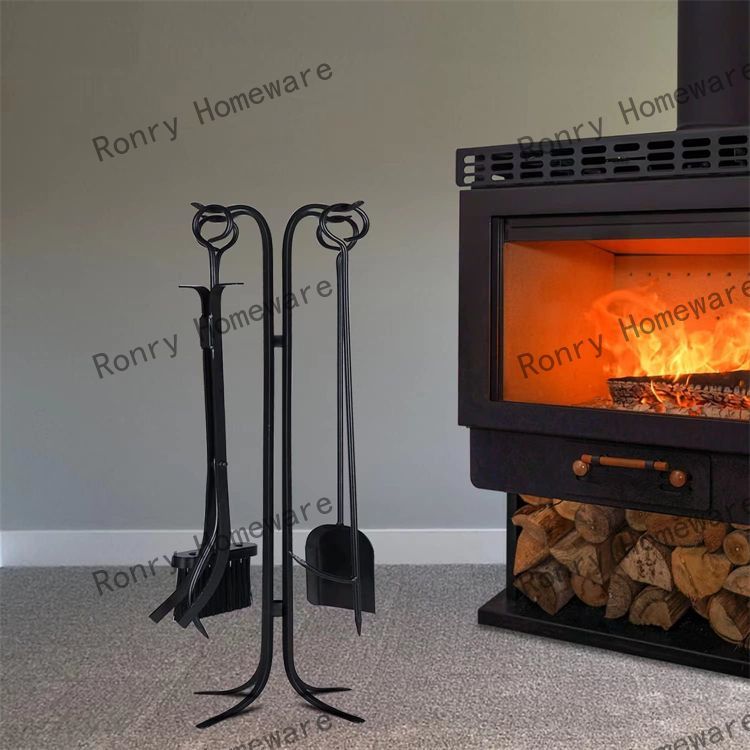
How Outdoor Heaters Enhance Your Outdoor Living Experience
How Outdoor Heaters Enhance Your Outdoor Living Experience
The allure of outdoor living is undeniable. Whether it's a summer barbecue, a winter gathering, or an autumn evening under the stars, outdoor spaces provide a beautiful backdrop for creating memories. However, as seasons change and temperatures fluctuate, enjoying these spaces can become challenging. This is where outdoor heaters come into
2025-09-26
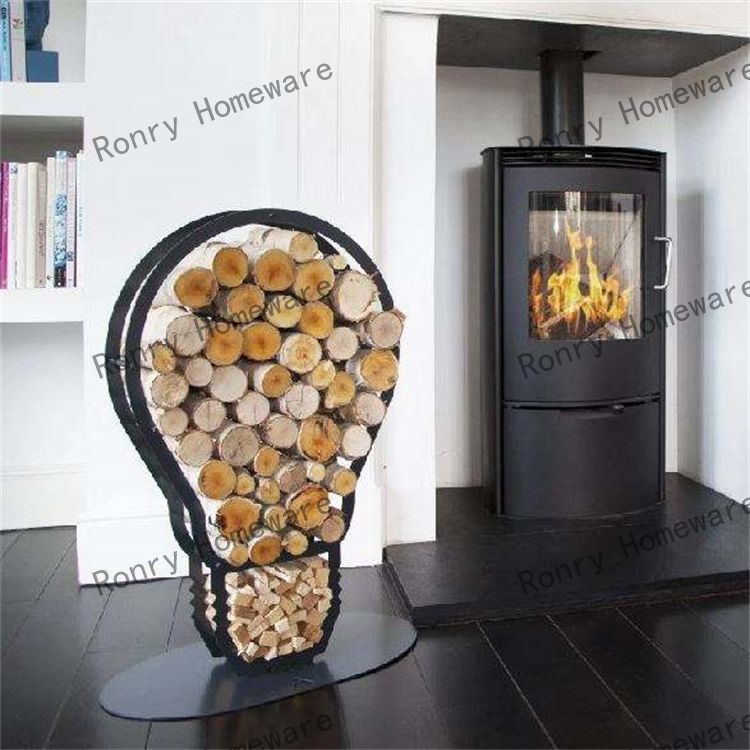
The Ultimate Guide to Choosing the Right Wood Burner Stove for Your Home
When it comes to heating your home effectively and efficiently, a wood burner stove can be an excellent choice. Unlike traditional heating methods, wood burners not only offer warmth but also create a cozy atmosphere. In this guide, we will explore the key considerations for selecting the right wood burner stove for your needs, ensuring that you make an informed decision that enhances your living
2025-09-23
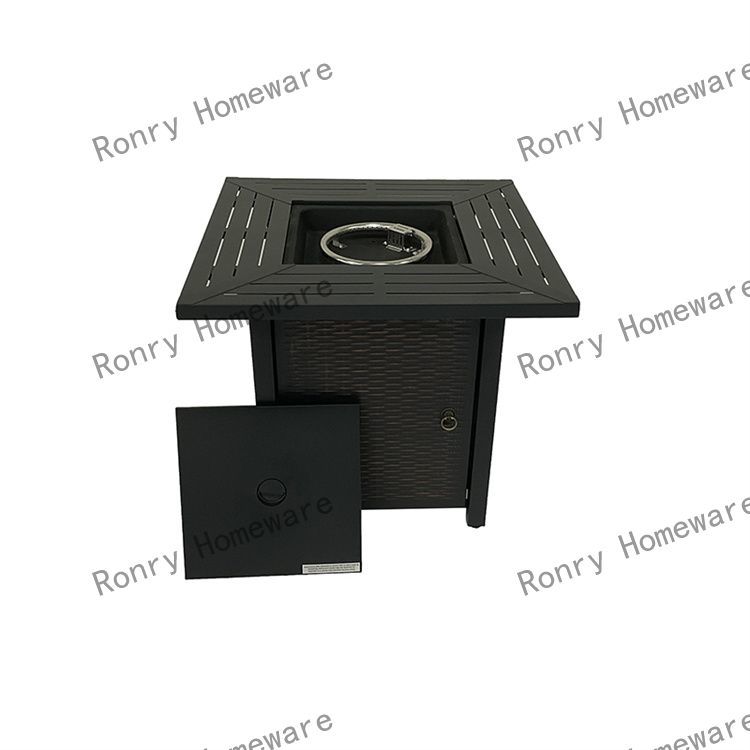
Transform Your Backyard into a Relaxing Haven with a Fire Pit Table
Transform Your Backyard into a Relaxing Haven with a Fire Pit Table
Introduction: The Allure of a Fire Pit Table
In recent years, the desire to create inviting outdoor spaces has surged, and one of the most captivating additions to any backyard is a **fire pit table**. This versatile piece not only provides warmth but also serves as a gathering place for family and friends, making your backyard a
2025-09-20

Ronry outdoor products is a manufacturing enterprise that is capable of design,development ,production, sales and after-sales service
Contact Us
No. 29 Siming Road, Guanqiao Town, AnxiCounty , Quanzhou City, Fujian Province