Welcome To Know Our Products,We Can Offer You High Quality Products!

Stay Warm and Cozy with Our Outdoor Patio Heater Material
2024-01-24
Introduction:
When it comes to enjoying the outdoors during colder months, having a reliable and efficient outdoor patio heater is essential. Not only does it provide warmth and comfort, but it also extends the usability of your outdoor space. However, choosing the right patio heater material is crucial to ensure durability, safety, and effectiveness. In this article, we will explore the various m
Introduction:
When it comes to enjoying the outdoors during colder months, having a reliable and efficient outdoor patio heater is essential. Not only does it provide warmth and comfort, but it also extends the usability of your outdoor space. However, choosing the right patio heater material is crucial to ensure durability, safety, and effectiveness. In this article, we will explore the various materials used in outdoor patio heaters, their benefits, and help you make an informed decision to stay warm and cozy in your outdoor living area.
Table of Contents:
1. The Importance of Choosing the Right Patio Heater Material
2. Stainless Steel: A Durable and Stylish Choice
3. Aluminum: Lightweight and Efficient
4. Cast Iron: Classic and Heat-Retentive
5. Ceramic: Energy-Efficient and Radiant Heat
6. Choosing the Right Patio Heater Material for Your Needs
7. FAQs about Outdoor Patio Heater Materials
7.1. How do I choose the right patio heater material?
7.2. Are stainless steel patio heaters more durable than aluminum ones?
7.3. Can I leave my patio heater outside during harsh weather conditions?
7.4. Is cast iron a good choice for coastal areas?
7.5. Are ceramic patio heaters more expensive to operate?
8. Conclusion
1. The Importance of Choosing the Right Patio Heater Material
Selecting the appropriate patio heater material is vital for several reasons. Firstly, it affects the durability and longevity of your outdoor heater. Different materials have varying resistance to weather elements such as rain, snow, and wind, which can impact their lifespan. Secondly, the material used significantly influences the efficiency and effectiveness of the heater in radiating heat evenly. Lastly, the aesthetic appeal and style of your patio heater can enhance the overall ambiance of your outdoor space.
2. Stainless Steel: A Durable and Stylish Choice
Stainless steel is a popular choice for outdoor patio heaters due to its exceptional durability and resistance to corrosion. It can withstand various weather conditions without rusting or deteriorating. Additionally, stainless steel patio heaters often have sleek and modern designs that complement any outdoor setting. They are also relatively easy to maintain and clean, making them a practical choice for homeowners.
3. Aluminum: Lightweight and Efficient
If portability and energy efficiency are your priorities, aluminum patio heaters are an excellent option. Being lightweight, they are easy to move around your outdoor space. Aluminum also has excellent heat conduction properties, ensuring efficient heat distribution. However, it is important to note that aluminum patio heaters may not be as durable as stainless steel or cast iron options.
4. Cast Iron: Classic and Heat-Retentive
For a more traditional and classic look, cast iron patio heaters are an ideal choice. Cast iron is known for its exceptional heat retention properties, allowing the heater to radiate warmth even after it is turned off. These heaters are often heavier and more stable, making them suitable for windy areas. However, they require proper maintenance to prevent rusting and are generally more expensive than other options.
5. Ceramic: Energy-Efficient and Radiant Heat
Ceramic patio heaters are known for their energy efficiency and ability to provide radiant heat. They use a ceramic element that heats up quickly and emits warmth directly to people and objects nearby. Ceramic heaters are often more expensive but can save energy in the long run due to their targeted heat distribution. They are also safe to touch, making them suitable for families with children or pets.
6. Choosing the Right Patio Heater Material for Your Needs
When deciding on the best patio heater material for your outdoor space, consider factors such as durability, style, mobility, heat distribution, and budget. Each material offers unique advantages, so it is essential to prioritize your specific requirements. Whether you prefer the sleekness of stainless steel, the lightweight nature of aluminum, the classic appeal of cast iron, or the energy efficiency of ceramic, there is a perfect patio heater material for you.
7. FAQs about Outdoor Patio Heater Materials
7.1. How do I choose the right patio heater material?
To choose the right patio heater material, consider factors such as durability, style, mobility, heat distribution, and budget. Assess your specific needs and preferences before making a decision.
7.2. Are stainless steel patio heaters more durable than aluminum ones?
Yes, stainless steel patio heaters tend to be more durable and resistant to corrosion compared to aluminum ones. However, aluminum heaters are often more lightweight and energy-efficient.
7.3. Can I leave my patio heater outside during harsh weather conditions?
It is advisable to protect your patio heater from harsh weather conditions by using a cover or storing it indoors. While some materials are more weather-resistant than others, extended exposure to extreme weather can still affect their performance and lifespan.
7.4. Is cast iron a good choice for coastal areas?
Cast iron patio heaters are suitable for coastal areas as they are generally more stable and resistant to strong winds. However, regular maintenance is necessary to prevent rusting due to the saltwater environment.
7.5. Are ceramic patio heaters more expensive to operate?
Ceramic patio heaters may have a higher initial cost, but they are energy-efficient and can save money in the long run. Their targeted heat distribution ensures minimal heat wastage.
8. Conclusion
In conclusion, selecting the right outdoor patio heater material is crucial for a warm and cozy outdoor living experience. Stainless steel, aluminum, cast iron, and ceramic are all excellent options, each with its own set of advantages. Consider your specific needs, preferences, and budget to make an informed decision. Whether you prioritize durability, style, mobility, or energy efficiency, there is an outdoor patio heater material that will perfectly suit your requirements. Stay warm and enjoy the outdoors throughout the year with the ideal patio heater material for your outdoor space.
When it comes to enjoying the outdoors during colder months, having a reliable and efficient outdoor patio heater is essential. Not only does it provide warmth and comfort, but it also extends the usability of your outdoor space. However, choosing the right patio heater material is crucial to ensure durability, safety, and effectiveness. In this article, we will explore the various materials used in outdoor patio heaters, their benefits, and help you make an informed decision to stay warm and cozy in your outdoor living area.
Table of Contents:
1. The Importance of Choosing the Right Patio Heater Material
2. Stainless Steel: A Durable and Stylish Choice
3. Aluminum: Lightweight and Efficient
4. Cast Iron: Classic and Heat-Retentive
5. Ceramic: Energy-Efficient and Radiant Heat
6. Choosing the Right Patio Heater Material for Your Needs
7. FAQs about Outdoor Patio Heater Materials
7.1. How do I choose the right patio heater material?
7.2. Are stainless steel patio heaters more durable than aluminum ones?
7.3. Can I leave my patio heater outside during harsh weather conditions?
7.4. Is cast iron a good choice for coastal areas?
7.5. Are ceramic patio heaters more expensive to operate?
8. Conclusion
1. The Importance of Choosing the Right Patio Heater Material
Selecting the appropriate patio heater material is vital for several reasons. Firstly, it affects the durability and longevity of your outdoor heater. Different materials have varying resistance to weather elements such as rain, snow, and wind, which can impact their lifespan. Secondly, the material used significantly influences the efficiency and effectiveness of the heater in radiating heat evenly. Lastly, the aesthetic appeal and style of your patio heater can enhance the overall ambiance of your outdoor space.
2. Stainless Steel: A Durable and Stylish Choice
Stainless steel is a popular choice for outdoor patio heaters due to its exceptional durability and resistance to corrosion. It can withstand various weather conditions without rusting or deteriorating. Additionally, stainless steel patio heaters often have sleek and modern designs that complement any outdoor setting. They are also relatively easy to maintain and clean, making them a practical choice for homeowners.
3. Aluminum: Lightweight and Efficient
If portability and energy efficiency are your priorities, aluminum patio heaters are an excellent option. Being lightweight, they are easy to move around your outdoor space. Aluminum also has excellent heat conduction properties, ensuring efficient heat distribution. However, it is important to note that aluminum patio heaters may not be as durable as stainless steel or cast iron options.
4. Cast Iron: Classic and Heat-Retentive
For a more traditional and classic look, cast iron patio heaters are an ideal choice. Cast iron is known for its exceptional heat retention properties, allowing the heater to radiate warmth even after it is turned off. These heaters are often heavier and more stable, making them suitable for windy areas. However, they require proper maintenance to prevent rusting and are generally more expensive than other options.
5. Ceramic: Energy-Efficient and Radiant Heat
Ceramic patio heaters are known for their energy efficiency and ability to provide radiant heat. They use a ceramic element that heats up quickly and emits warmth directly to people and objects nearby. Ceramic heaters are often more expensive but can save energy in the long run due to their targeted heat distribution. They are also safe to touch, making them suitable for families with children or pets.
6. Choosing the Right Patio Heater Material for Your Needs
When deciding on the best patio heater material for your outdoor space, consider factors such as durability, style, mobility, heat distribution, and budget. Each material offers unique advantages, so it is essential to prioritize your specific requirements. Whether you prefer the sleekness of stainless steel, the lightweight nature of aluminum, the classic appeal of cast iron, or the energy efficiency of ceramic, there is a perfect patio heater material for you.
7. FAQs about Outdoor Patio Heater Materials
7.1. How do I choose the right patio heater material?
To choose the right patio heater material, consider factors such as durability, style, mobility, heat distribution, and budget. Assess your specific needs and preferences before making a decision.
7.2. Are stainless steel patio heaters more durable than aluminum ones?
Yes, stainless steel patio heaters tend to be more durable and resistant to corrosion compared to aluminum ones. However, aluminum heaters are often more lightweight and energy-efficient.
7.3. Can I leave my patio heater outside during harsh weather conditions?
It is advisable to protect your patio heater from harsh weather conditions by using a cover or storing it indoors. While some materials are more weather-resistant than others, extended exposure to extreme weather can still affect their performance and lifespan.
7.4. Is cast iron a good choice for coastal areas?
Cast iron patio heaters are suitable for coastal areas as they are generally more stable and resistant to strong winds. However, regular maintenance is necessary to prevent rusting due to the saltwater environment.
7.5. Are ceramic patio heaters more expensive to operate?
Ceramic patio heaters may have a higher initial cost, but they are energy-efficient and can save money in the long run. Their targeted heat distribution ensures minimal heat wastage.
8. Conclusion
In conclusion, selecting the right outdoor patio heater material is crucial for a warm and cozy outdoor living experience. Stainless steel, aluminum, cast iron, and ceramic are all excellent options, each with its own set of advantages. Consider your specific needs, preferences, and budget to make an informed decision. Whether you prioritize durability, style, mobility, or energy efficiency, there is an outdoor patio heater material that will perfectly suit your requirements. Stay warm and enjoy the outdoors throughout the year with the ideal patio heater material for your outdoor space.
RELEVANT INFORMATION
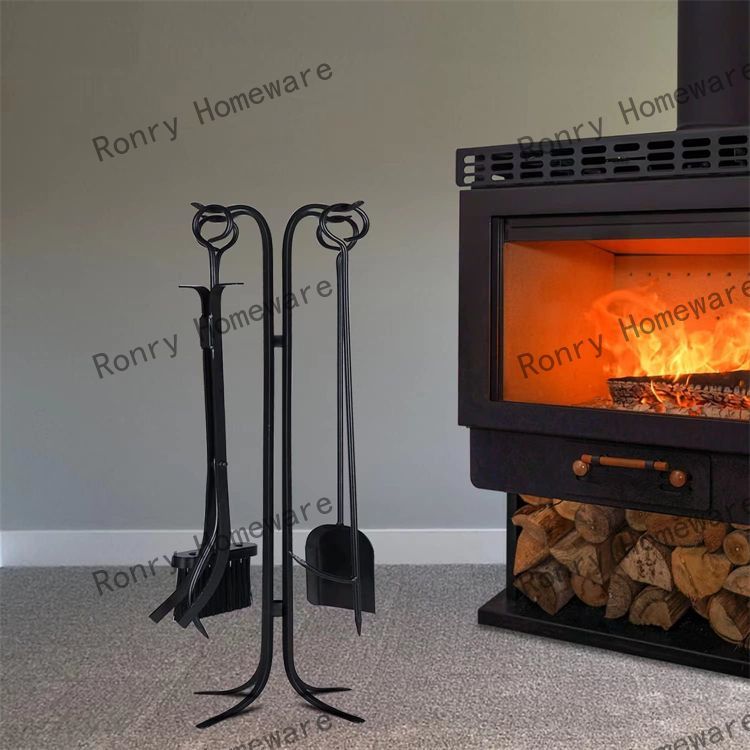
How Outdoor Heaters Enhance Your Outdoor Living Experience
How Outdoor Heaters Enhance Your Outdoor Living Experience
The allure of outdoor living is undeniable. Whether it's a summer barbecue, a winter gathering, or an autumn evening under the stars, outdoor spaces provide a beautiful backdrop for creating memories. However, as seasons change and temperatures fluctuate, enjoying these spaces can become challenging. This is where outdoor heaters come into
2025-09-26
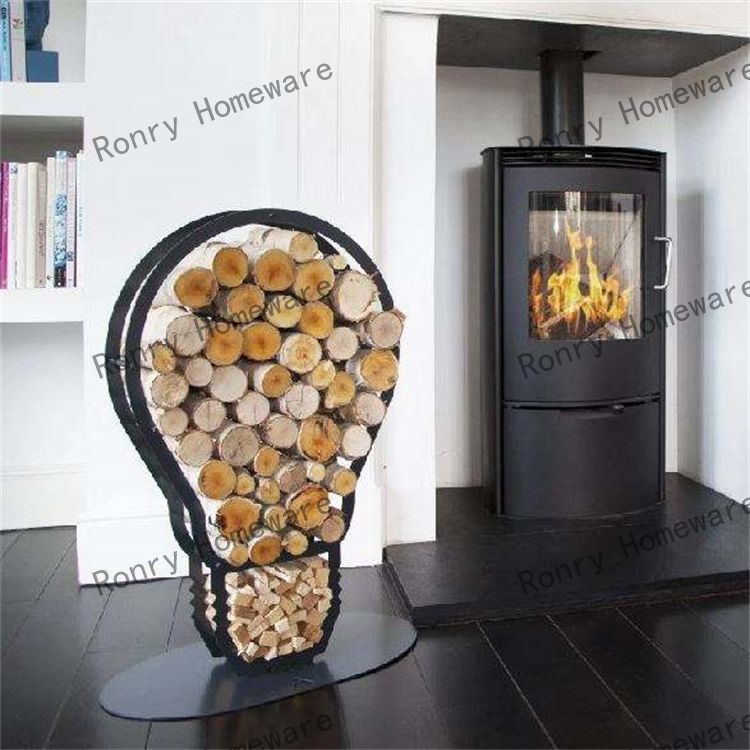
The Ultimate Guide to Choosing the Right Wood Burner Stove for Your Home
When it comes to heating your home effectively and efficiently, a wood burner stove can be an excellent choice. Unlike traditional heating methods, wood burners not only offer warmth but also create a cozy atmosphere. In this guide, we will explore the key considerations for selecting the right wood burner stove for your needs, ensuring that you make an informed decision that enhances your living
2025-09-23
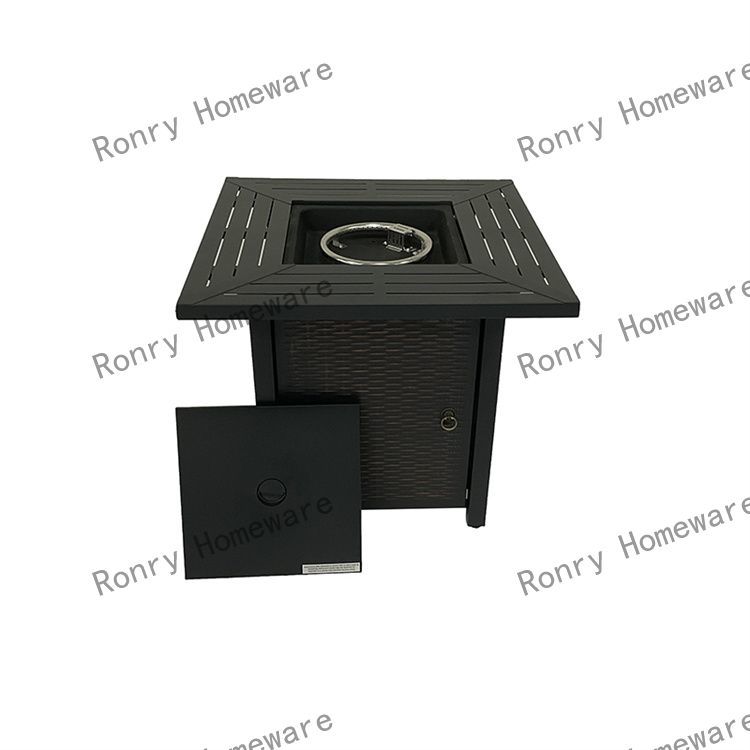
Transform Your Backyard into a Relaxing Haven with a Fire Pit Table
Transform Your Backyard into a Relaxing Haven with a Fire Pit Table
Introduction: The Allure of a Fire Pit Table
In recent years, the desire to create inviting outdoor spaces has surged, and one of the most captivating additions to any backyard is a **fire pit table**. This versatile piece not only provides warmth but also serves as a gathering place for family and friends, making your backyard a
2025-09-20

Ronry outdoor products is a manufacturing enterprise that is capable of design,development ,production, sales and after-sales service
Contact Us
No. 29 Siming Road, Guanqiao Town, AnxiCounty , Quanzhou City, Fujian Province