Welcome To Know Our Products,We Can Offer You High Quality Products!

10 Ways to Choose a High-Quality Outdoor Fire Pit for Your Home
2024-02-05
Table of Contents
1. Introduction
2. Understanding the Importance of Choosing a High-Quality Outdoor Fire Pit
3. 1. Determine the Purpose of Your Outdoor Fire Pit
4. 1.1 Entertaining and Socializing
5. 1.2 Cooking and Grilling
6. 1.3 Heat and Ambiance
7. 2. Consider the Material and Durability
8. 2.1 Steel
9. 2.2 Cast Iron
10. 2.3 Copper
11. 2.4 Stone
12. 3. Evaluate the Design and Style Options
1
Table of Contents
1.Introduction
1.
Introduction
2. Understanding the Importance of Choosing a High-Quality Outdoor Fire Pit
3. 1. Determine the Purpose of Your Outdoor Fire Pit
4. 1.1 Entertaining and Socializing
5. 1.2 Cooking and Grilling
6. 1.3 Heat and Ambiance
7. 2. Consider the Material and Durability
8. 2.1 Steel
9. 2.2 Cast Iron
10. 2.3 Copper
11. 2.4 Stone
12. 3. Evaluate the Design and Style Options
13. 3.1 Bowl Fire Pits
14. 3.2 Tabletop Fire Pits
15. 3.3 Chiminea Fire Pits
16. 3.4 Fire Pit Tables
17. 4. Choose the Right Fuel Option
18. 4.1 Wood-Burning Fire Pits
19. 4.2 Propane Fire Pits
20. 4.3 Natural Gas Fire Pits
21. 5. Consider the Size and Placement
22. 5.1 Determine the Available Space
23. 5.2 Consider Safety and Clearance Regulations
24. 5.3 Optimal Seating Arrangement
25. 6. Pay Attention to Safety Features
26. 6.1 Spark Screens and Grates
27. 6.2 Safety Shutoff Valves
28. 6.3 Heat-Resistant Materials
29. 7. Research the Brands and Read Reviews
30. 7.1 Check Customer Feedback and Ratings
31. 7.2 Look for Trusted Brands and Manufacturers
32. 7.3 Consider Warranty and Customer Support
33. 8. Set a Realistic Budget
34. 8.1 Determine Your Spending Limit
35. 8.2 Factor in Additional Costs
36. 9. Seek Professional Installation Assistance
37. 9.1 Ensure Proper Gas Line Installation
38. 9.2 Hire a Landscaping Expert for Design Integration
39. 9.3 Follow Local Building Codes and Permits
40. 10. Maintain and Care for Your Outdoor Fire Pit
41. 10.1 Regular Cleaning and Maintenance
42. 10.2 Protecting Your Fire Pit from the Elements
43. 10.3 Storing Your Fire Pit in the Off-Season
44. Conclusion
Introduction
Choosing a high-quality outdoor fire pit is essential to enhance your outdoor living space. With numerous options available in the market, it's crucial to understand the factors that contribute to the perfect fire pit selection. This guide will provide you with the necessary insights to make a well-informed decision.
Understanding the Importance of Choosing a High-Quality Outdoor Fire Pit
Investing in a high-quality outdoor fire pit offers several benefits. It not only adds warmth and ambiance to your outdoor space but also becomes a focal point for social gatherings and entertainment. Additionally, a well-constructed fire pit ensures longevity, safety, and optimal performance.
1. Determine the Purpose of Your Outdoor Fire Pit
Before selecting a fire pit, identify the primary purpose it will serve. Whether it's for entertaining guests, cooking and grilling, or simply providing heat and ambiance, clarifying your requirements will help narrow down your options.
1.1 Entertaining and Socializing
If you intend to use the fire pit primarily for social occasions, opt for a larger-sized fire pit with ample seating space around it. Consider a design that encourages conversation and interaction.
1.2 Cooking and Grilling
For those seeking a fire pit suitable for cooking and grilling, explore options that come with attachments such as grates or cooking grids. These allow you to enjoy delicious meals while enjoying the warmth of the fire.
1.3 Heat and Ambiance
If your main focus is creating a cozy and inviting atmosphere, prioritize fire pits that emit substantial heat and offer visually pleasing flames. Look for designs that incorporate fire glass or lava rocks for added charm.
2. Consider the Material and Durability
Choose a fire pit material that not only complements your outdoor aesthetic but also withstands the elements. Popular options include:
2.1 Steel
Steel fire pits are durable, weather-resistant, and provide a modern look. However, they may require periodic maintenance to prevent rusting.
2.2 Cast Iron
Cast iron fire pits offer a traditional aesthetic and excellent heat retention. They can be heavier and require occasional reseasoning to maintain their appearance.
2.3 Copper
Copper fire pits age gracefully, developing a beautiful patina over time. They provide an elegant touch to any outdoor setting but may require regular cleaning to preserve their luster.
2.4 Stone
Stone fire pits offer a rustic and natural feel, blending seamlessly with garden landscapes. They are durable and low-maintenance, perfect for long-lasting enjoyment.
3. Evaluate the Design and Style Options
Consider the available design and style options to ensure your fire pit aligns with your overall outdoor decor. Common styles include:
3.1 Bowl Fire Pits
Bowl fire pits are classic and versatile, suitable for various outdoor settings. They often feature open designs that allow for a 360-degree view of the flames.
3.2 Tabletop Fire Pits
Tabletop fire pits are compact and portable, making them ideal for small outdoor spaces or balconies. They provide a cozy ambiance without taking up much room.
3.3 Chiminea Fire Pits
Chiminea fire pits have a distinctive shape with a chimney-like structure. They offer excellent heat output and are perfect for areas with strong winds.
3.4 Fire Pit Tables
Fire pit tables combine the functionality of a fire pit with the convenience of a table. They provide both warmth and a surface for placing drinks and snacks.
4. Choose the Right Fuel Option
Selecting the appropriate fuel option for your fire pit is essential for convenience, safety, and cost-effectiveness. Common options include:
4.1 Wood-Burning Fire Pits
Wood-burning fire pits create an authentic outdoor experience with crackling sounds and aromatic scents. However, they require a constant supply of firewood and regular cleaning.
4.2 Propane Fire Pits
Propane fire pits offer convenience and easy operation, as they require minimal setup and maintenance. They provide instant heat and adjustable flame settings.
4.3 Natural Gas Fire Pits
Natural gas fire pits require professional installation but offer a continuous fuel supply from your home's gas line. They are cost-effective and provide consistent heat output.
5. Consider the Size and Placement
Determining the appropriate size and placement of your fire pit ensures optimal functionality and safety.
5.1 Determine the Available Space
Measure the available space in your outdoor area to choose a fire pit that fits without overcrowding. Consider the distance between the fire pit and any combustible materials.
5.2 Consider Safety and Clearance Regulations
Check local safety regulations and clearance requirements to avoid any potential hazards. Leave sufficient space between the fire pit and surrounding structures or vegetation.
5.3 Optimal Seating Arrangement
Plan the seating arrangement around the fire pit to ensure everyone can enjoy the warmth and cozy atmosphere. Optimal seating distance is usually 4-5 feet away from the flames.
6. Pay Attention to Safety Features
Prioritize fire pits with built-in safety features to minimize the risk of accidents and injuries.
6.1 Spark Screens and Grates
Fire pits with spark screens and grates prevent sparks or embers from escaping, reducing fire hazards. The screens also act as a barrier, keeping children and pets at a safe distance.
6.2 Safety Shutoff Valves
If you opt for a gas fire pit, ensure it has a safety shutoff valve that allows you to quickly control the fuel supply in case of emergencies.
6.3 Heat-Resistant Materials
Choose fire pits with heat-resistant materials, such as handles and surfaces, to prevent burns or injuries when adjusting or moving the fire pit.
7. Research the Brands and Read Reviews
Before making a final decision, research different brands and read customer reviews to gain insights into the quality, durability, and overall performance of the fire pit.
7.1 Check Customer Feedback and Ratings
Browse through online platforms to read feedback from customers who have purchased the fire pit you're considering. Their experiences can offer valuable insights.
7.2 Look for Trusted Brands and Manufacturers
Choose fire pits from reputable brands and manufacturers known for their quality craftsmanship and reliable products.
7.3 Consider Warranty and Customer Support
Check if the fire pit comes with a warranty and if the manufacturer provides excellent customer support. A warranty ensures peace of mind and assistance in case of any issues.
8. Set a Realistic Budget
Before starting your search, determine your budget range and stick to it. Consider any additional costs, such as accessories, installation, or fuel expenses, to avoid any surprises.
8.1 Determine Your Spending Limit
Decide on the maximum amount you're willing to spend on a fire pit. This will help filter out options that are beyond your budget.
8.2 Factor in Additional Costs
Keep in mind any additional expenses related to installation, accessories, or ongoing maintenance. Consider the long-term costs associated with the chosen fuel option.
9. Seek Professional Installation Assistance
For gas fire pits, it's crucial to hire a professional for proper installation to ensure safety and compliance with local regulations.
9.1 Ensure Proper Gas Line Installation
A licensed professional will ensure the gas line installation is up to code and meets safety standards. This ensures the fire pit operates smoothly and without any leaks.
9.2 Hire a Landscaping Expert for Design Integration
If you're planning to incorporate the fire pit into your existing outdoor design, consulting with a landscaping expert will help create a cohesive and aesthetically pleasing space.
9.3 Follow Local Building Codes and Permits
Ensure you follow local building codes and obtain any necessary permits before installing a permanent fire pit. This helps avoid potential legal issues and ensures compliance.
10. Maintain and Care for Your Outdoor Fire Pit
Proper maintenance and care will extend the lifespan of your fire pit and keep it looking its best for years to come.
10.1 Regular Cleaning and Maintenance
Clean the fire pit regularly to remove ash, debris, and any residue. Follow the manufacturer's instructions for maintenance specific to your chosen material.
10.2 Protecting Your Fire Pit from the Elements
Cover the fire pit when not in use to protect it from rain, snow, and excessive sun exposure. This helps prevent rust, fading, and other damage.
10.3 Storing Your Fire Pit in the Off-Season
If you live in an area with harsh winters or extended periods of non-use, consider storing your fire pit in a dry and secure location to prolong its lifespan.
Conclusion
Choosing a high-quality outdoor fire pit involves careful consideration of various factors. By determining the purpose, material, design, and fuel options, you can find the perfect fire pit that enhances your outdoor space. Remember to prioritize safety features, research brands, and set a realistic budget. With proper installation and maintenance, your chosen fire pit will become a beloved addition to your home, providing warmth, ambiance, and countless memorable moments.
3.
1. Determine the Purpose of Your Outdoor Fire Pit
4. 1.1 Entertaining and Socializing
5. 1.2 Cooking and Grilling
6. 1.3 Heat and Ambiance
7. 2. Consider the Material and Durability
8. 2.1 Steel
9. 2.2 Cast Iron
10. 2.3 Copper
11. 2.4 Stone
12. 3. Evaluate the Design and Style Options
13. 3.1 Bowl Fire Pits
14. 3.2 Tabletop Fire Pits
15. 3.3 Chiminea Fire Pits
16. 3.4 Fire Pit Tables
17. 4. Choose the Right Fuel Option
18. 4.1 Wood-Burning Fire Pits
19. 4.2 Propane Fire Pits
20. 4.3 Natural Gas Fire Pits
21. 5. Consider the Size and Placement
22. 5.1 Determine the Available Space
23. 5.2 Consider Safety and Clearance Regulations
24. 5.3 Optimal Seating Arrangement
25. 6. Pay Attention to Safety Features
26. 6.1 Spark Screens and Grates
27. 6.2 Safety Shutoff Valves
28. 6.3 Heat-Resistant Materials
29. 7. Research the Brands and Read Reviews
30. 7.1 Check Customer Feedback and Ratings
31. 7.2 Look for Trusted Brands and Manufacturers
32. 7.3 Consider Warranty and Customer Support
33. 8. Set a Realistic Budget
34. 8.1 Determine Your Spending Limit
35. 8.2 Factor in Additional Costs
36. 9. Seek Professional Installation Assistance
37. 9.1 Ensure Proper Gas Line Installation
38. 9.2 Hire a Landscaping Expert for Design Integration
39. 9.3 Follow Local Building Codes and Permits
40. 10. Maintain and Care for Your Outdoor Fire Pit
41. 10.1 Regular Cleaning and Maintenance
42. 10.2 Protecting Your Fire Pit from the Elements
43. 10.3 Storing Your Fire Pit in the Off-Season
44. Conclusion
Introduction
Choosing a high-quality outdoor fire pit is essential to enhance your outdoor living space. With numerous options available in the market, it's crucial to understand the factors that contribute to the perfect fire pit selection. This guide will provide you with the necessary insights to make a well-informed decision.
Understanding the Importance of Choosing a High-Quality Outdoor Fire Pit
Investing in a high-quality outdoor fire pit offers several benefits. It not only adds warmth and ambiance to your outdoor space but also becomes a focal point for social gatherings and entertainment. Additionally, a well-constructed fire pit ensures longevity, safety, and optimal performance.
1. Determine the Purpose of Your Outdoor Fire Pit
Before selecting a fire pit, identify the primary purpose it will serve. Whether it's for entertaining guests, cooking and grilling, or simply providing heat and ambiance, clarifying your requirements will help narrow down your options.
1.1 Entertaining and Socializing
If you intend to use the fire pit primarily for social occasions, opt for a larger-sized fire pit with ample seating space around it. Consider a design that encourages conversation and interaction.
1.2 Cooking and Grilling
For those seeking a fire pit suitable for cooking and grilling, explore options that come with attachments such as grates or cooking grids. These allow you to enjoy delicious meals while enjoying the warmth of the fire.
1.3 Heat and Ambiance
If your main focus is creating a cozy and inviting atmosphere, prioritize fire pits that emit substantial heat and offer visually pleasing flames. Look for designs that incorporate fire glass or lava rocks for added charm.
2. Consider the Material and Durability
Choose a fire pit material that not only complements your outdoor aesthetic but also withstands the elements. Popular options include:
2.1 Steel
Steel fire pits are durable, weather-resistant, and provide a modern look. However, they may require periodic maintenance to prevent rusting.
2.2 Cast Iron
Cast iron fire pits offer a traditional aesthetic and excellent heat retention. They can be heavier and require occasional reseasoning to maintain their appearance.
2.3 Copper
Copper fire pits age gracefully, developing a beautiful patina over time. They provide an elegant touch to any outdoor setting but may require regular cleaning to preserve their luster.
2.4 Stone
Stone fire pits offer a rustic and natural feel, blending seamlessly with garden landscapes. They are durable and low-maintenance, perfect for long-lasting enjoyment.
3. Evaluate the Design and Style Options
Consider the available design and style options to ensure your fire pit aligns with your overall outdoor decor. Common styles include:
3.1 Bowl Fire Pits
Bowl fire pits are classic and versatile, suitable for various outdoor settings. They often feature open designs that allow for a 360-degree view of the flames.
3.2 Tabletop Fire Pits
Tabletop fire pits are compact and portable, making them ideal for small outdoor spaces or balconies. They provide a cozy ambiance without taking up much room.
3.3 Chiminea Fire Pits
Chiminea fire pits have a distinctive shape with a chimney-like structure. They offer excellent heat output and are perfect for areas with strong winds.
3.4 Fire Pit Tables
Fire pit tables combine the functionality of a fire pit with the convenience of a table. They provide both warmth and a surface for placing drinks and snacks.
4. Choose the Right Fuel Option
Selecting the appropriate fuel option for your fire pit is essential for convenience, safety, and cost-effectiveness. Common options include:
4.1 Wood-Burning Fire Pits
Wood-burning fire pits create an authentic outdoor experience with crackling sounds and aromatic scents. However, they require a constant supply of firewood and regular cleaning.
4.2 Propane Fire Pits
Propane fire pits offer convenience and easy operation, as they require minimal setup and maintenance. They provide instant heat and adjustable flame settings.
4.3 Natural Gas Fire Pits
Natural gas fire pits require professional installation but offer a continuous fuel supply from your home's gas line. They are cost-effective and provide consistent heat output.
5. Consider the Size and Placement
Determining the appropriate size and placement of your fire pit ensures optimal functionality and safety.
5.1 Determine the Available Space
Measure the available space in your outdoor area to choose a fire pit that fits without overcrowding. Consider the distance between the fire pit and any combustible materials.
5.2 Consider Safety and Clearance Regulations
Check local safety regulations and clearance requirements to avoid any potential hazards. Leave sufficient space between the fire pit and surrounding structures or vegetation.
5.3 Optimal Seating Arrangement
Plan the seating arrangement around the fire pit to ensure everyone can enjoy the warmth and cozy atmosphere. Optimal seating distance is usually 4-5 feet away from the flames.
6. Pay Attention to Safety Features
Prioritize fire pits with built-in safety features to minimize the risk of accidents and injuries.
6.1 Spark Screens and Grates
Fire pits with spark screens and grates prevent sparks or embers from escaping, reducing fire hazards. The screens also act as a barrier, keeping children and pets at a safe distance.
6.2 Safety Shutoff Valves
If you opt for a gas fire pit, ensure it has a safety shutoff valve that allows you to quickly control the fuel supply in case of emergencies.
6.3 Heat-Resistant Materials
Choose fire pits with heat-resistant materials, such as handles and surfaces, to prevent burns or injuries when adjusting or moving the fire pit.
7. Research the Brands and Read Reviews
Before making a final decision, research different brands and read customer reviews to gain insights into the quality, durability, and overall performance of the fire pit.
7.1 Check Customer Feedback and Ratings
Browse through online platforms to read feedback from customers who have purchased the fire pit you're considering. Their experiences can offer valuable insights.
7.2 Look for Trusted Brands and Manufacturers
Choose fire pits from reputable brands and manufacturers known for their quality craftsmanship and reliable products.
7.3 Consider Warranty and Customer Support
Check if the fire pit comes with a warranty and if the manufacturer provides excellent customer support. A warranty ensures peace of mind and assistance in case of any issues.
8. Set a Realistic Budget
Before starting your search, determine your budget range and stick to it. Consider any additional costs, such as accessories, installation, or fuel expenses, to avoid any surprises.
8.1 Determine Your Spending Limit
Decide on the maximum amount you're willing to spend on a fire pit. This will help filter out options that are beyond your budget.
8.2 Factor in Additional Costs
Keep in mind any additional expenses related to installation, accessories, or ongoing maintenance. Consider the long-term costs associated with the chosen fuel option.
9. Seek Professional Installation Assistance
For gas fire pits, it's crucial to hire a professional for proper installation to ensure safety and compliance with local regulations.
9.1 Ensure Proper Gas Line Installation
A licensed professional will ensure the gas line installation is up to code and meets safety standards. This ensures the fire pit operates smoothly and without any leaks.
9.2 Hire a Landscaping Expert for Design Integration
If you're planning to incorporate the fire pit into your existing outdoor design, consulting with a landscaping expert will help create a cohesive and aesthetically pleasing space.
9.3 Follow Local Building Codes and Permits
Ensure you follow local building codes and obtain any necessary permits before installing a permanent fire pit. This helps avoid potential legal issues and ensures compliance.
10. Maintain and Care for Your Outdoor Fire Pit
Proper maintenance and care will extend the lifespan of your fire pit and keep it looking its best for years to come.
10.1 Regular Cleaning and Maintenance
Clean the fire pit regularly to remove ash, debris, and any residue. Follow the manufacturer's instructions for maintenance specific to your chosen material.
10.2 Protecting Your Fire Pit from the Elements
Cover the fire pit when not in use to protect it from rain, snow, and excessive sun exposure. This helps prevent rust, fading, and other damage.
10.3 Storing Your Fire Pit in the Off-Season
If you live in an area with harsh winters or extended periods of non-use, consider storing your fire pit in a dry and secure location to prolong its lifespan.
Conclusion
Choosing a high-quality outdoor fire pit involves careful consideration of various factors. By determining the purpose, material, design, and fuel options, you can find the perfect fire pit that enhances your outdoor space. Remember to prioritize safety features, research brands, and set a realistic budget. With proper installation and maintenance, your chosen fire pit will become a beloved addition to your home, providing warmth, ambiance, and countless memorable moments.
5.
1.2 Cooking and Grilling
6. 1.3 Heat and Ambiance
7. 2. Consider the Material and Durability
8. 2.1 Steel
9. 2.2 Cast Iron
10. 2.3 Copper
11. 2.4 Stone
12. 3. Evaluate the Design and Style Options
13. 3.1 Bowl Fire Pits
14. 3.2 Tabletop Fire Pits
15. 3.3 Chiminea Fire Pits
16. 3.4 Fire Pit Tables
17. 4. Choose the Right Fuel Option
18. 4.1 Wood-Burning Fire Pits
19. 4.2 Propane Fire Pits
20. 4.3 Natural Gas Fire Pits
21. 5. Consider the Size and Placement
22. 5.1 Determine the Available Space
23. 5.2 Consider Safety and Clearance Regulations
24. 5.3 Optimal Seating Arrangement
25. 6. Pay Attention to Safety Features
26. 6.1 Spark Screens and Grates
27. 6.2 Safety Shutoff Valves
28. 6.3 Heat-Resistant Materials
29. 7. Research the Brands and Read Reviews
30. 7.1 Check Customer Feedback and Ratings
31. 7.2 Look for Trusted Brands and Manufacturers
32. 7.3 Consider Warranty and Customer Support
33. 8. Set a Realistic Budget
34. 8.1 Determine Your Spending Limit
35. 8.2 Factor in Additional Costs
36. 9. Seek Professional Installation Assistance
37. 9.1 Ensure Proper Gas Line Installation
38. 9.2 Hire a Landscaping Expert for Design Integration
39. 9.3 Follow Local Building Codes and Permits
40. 10. Maintain and Care for Your Outdoor Fire Pit
41. 10.1 Regular Cleaning and Maintenance
42. 10.2 Protecting Your Fire Pit from the Elements
43. 10.3 Storing Your Fire Pit in the Off-Season
44. Conclusion
Introduction
Choosing a high-quality outdoor fire pit is essential to enhance your outdoor living space. With numerous options available in the market, it's crucial to understand the factors that contribute to the perfect fire pit selection. This guide will provide you with the necessary insights to make a well-informed decision.
Understanding the Importance of Choosing a High-Quality Outdoor Fire Pit
Investing in a high-quality outdoor fire pit offers several benefits. It not only adds warmth and ambiance to your outdoor space but also becomes a focal point for social gatherings and entertainment. Additionally, a well-constructed fire pit ensures longevity, safety, and optimal performance.
1. Determine the Purpose of Your Outdoor Fire Pit
Before selecting a fire pit, identify the primary purpose it will serve. Whether it's for entertaining guests, cooking and grilling, or simply providing heat and ambiance, clarifying your requirements will help narrow down your options.
1.1 Entertaining and Socializing
If you intend to use the fire pit primarily for social occasions, opt for a larger-sized fire pit with ample seating space around it. Consider a design that encourages conversation and interaction.
1.2 Cooking and Grilling
For those seeking a fire pit suitable for cooking and grilling, explore options that come with attachments such as grates or cooking grids. These allow you to enjoy delicious meals while enjoying the warmth of the fire.
1.3 Heat and Ambiance
If your main focus is creating a cozy and inviting atmosphere, prioritize fire pits that emit substantial heat and offer visually pleasing flames. Look for designs that incorporate fire glass or lava rocks for added charm.
2. Consider the Material and Durability
Choose a fire pit material that not only complements your outdoor aesthetic but also withstands the elements. Popular options include:
2.1 Steel
Steel fire pits are durable, weather-resistant, and provide a modern look. However, they may require periodic maintenance to prevent rusting.
2.2 Cast Iron
Cast iron fire pits offer a traditional aesthetic and excellent heat retention. They can be heavier and require occasional reseasoning to maintain their appearance.
2.3 Copper
Copper fire pits age gracefully, developing a beautiful patina over time. They provide an elegant touch to any outdoor setting but may require regular cleaning to preserve their luster.
2.4 Stone
Stone fire pits offer a rustic and natural feel, blending seamlessly with garden landscapes. They are durable and low-maintenance, perfect for long-lasting enjoyment.
3. Evaluate the Design and Style Options
Consider the available design and style options to ensure your fire pit aligns with your overall outdoor decor. Common styles include:
3.1 Bowl Fire Pits
Bowl fire pits are classic and versatile, suitable for various outdoor settings. They often feature open designs that allow for a 360-degree view of the flames.
3.2 Tabletop Fire Pits
Tabletop fire pits are compact and portable, making them ideal for small outdoor spaces or balconies. They provide a cozy ambiance without taking up much room.
3.3 Chiminea Fire Pits
Chiminea fire pits have a distinctive shape with a chimney-like structure. They offer excellent heat output and are perfect for areas with strong winds.
3.4 Fire Pit Tables
Fire pit tables combine the functionality of a fire pit with the convenience of a table. They provide both warmth and a surface for placing drinks and snacks.
4. Choose the Right Fuel Option
Selecting the appropriate fuel option for your fire pit is essential for convenience, safety, and cost-effectiveness. Common options include:
4.1 Wood-Burning Fire Pits
Wood-burning fire pits create an authentic outdoor experience with crackling sounds and aromatic scents. However, they require a constant supply of firewood and regular cleaning.
4.2 Propane Fire Pits
Propane fire pits offer convenience and easy operation, as they require minimal setup and maintenance. They provide instant heat and adjustable flame settings.
4.3 Natural Gas Fire Pits
Natural gas fire pits require professional installation but offer a continuous fuel supply from your home's gas line. They are cost-effective and provide consistent heat output.
5. Consider the Size and Placement
Determining the appropriate size and placement of your fire pit ensures optimal functionality and safety.
5.1 Determine the Available Space
Measure the available space in your outdoor area to choose a fire pit that fits without overcrowding. Consider the distance between the fire pit and any combustible materials.
5.2 Consider Safety and Clearance Regulations
Check local safety regulations and clearance requirements to avoid any potential hazards. Leave sufficient space between the fire pit and surrounding structures or vegetation.
5.3 Optimal Seating Arrangement
Plan the seating arrangement around the fire pit to ensure everyone can enjoy the warmth and cozy atmosphere. Optimal seating distance is usually 4-5 feet away from the flames.
6. Pay Attention to Safety Features
Prioritize fire pits with built-in safety features to minimize the risk of accidents and injuries.
6.1 Spark Screens and Grates
Fire pits with spark screens and grates prevent sparks or embers from escaping, reducing fire hazards. The screens also act as a barrier, keeping children and pets at a safe distance.
6.2 Safety Shutoff Valves
If you opt for a gas fire pit, ensure it has a safety shutoff valve that allows you to quickly control the fuel supply in case of emergencies.
6.3 Heat-Resistant Materials
Choose fire pits with heat-resistant materials, such as handles and surfaces, to prevent burns or injuries when adjusting or moving the fire pit.
7. Research the Brands and Read Reviews
Before making a final decision, research different brands and read customer reviews to gain insights into the quality, durability, and overall performance of the fire pit.
7.1 Check Customer Feedback and Ratings
Browse through online platforms to read feedback from customers who have purchased the fire pit you're considering. Their experiences can offer valuable insights.
7.2 Look for Trusted Brands and Manufacturers
Choose fire pits from reputable brands and manufacturers known for their quality craftsmanship and reliable products.
7.3 Consider Warranty and Customer Support
Check if the fire pit comes with a warranty and if the manufacturer provides excellent customer support. A warranty ensures peace of mind and assistance in case of any issues.
8. Set a Realistic Budget
Before starting your search, determine your budget range and stick to it. Consider any additional costs, such as accessories, installation, or fuel expenses, to avoid any surprises.
8.1 Determine Your Spending Limit
Decide on the maximum amount you're willing to spend on a fire pit. This will help filter out options that are beyond your budget.
8.2 Factor in Additional Costs
Keep in mind any additional expenses related to installation, accessories, or ongoing maintenance. Consider the long-term costs associated with the chosen fuel option.
9. Seek Professional Installation Assistance
For gas fire pits, it's crucial to hire a professional for proper installation to ensure safety and compliance with local regulations.
9.1 Ensure Proper Gas Line Installation
A licensed professional will ensure the gas line installation is up to code and meets safety standards. This ensures the fire pit operates smoothly and without any leaks.
9.2 Hire a Landscaping Expert for Design Integration
If you're planning to incorporate the fire pit into your existing outdoor design, consulting with a landscaping expert will help create a cohesive and aesthetically pleasing space.
9.3 Follow Local Building Codes and Permits
Ensure you follow local building codes and obtain any necessary permits before installing a permanent fire pit. This helps avoid potential legal issues and ensures compliance.
10. Maintain and Care for Your Outdoor Fire Pit
Proper maintenance and care will extend the lifespan of your fire pit and keep it looking its best for years to come.
10.1 Regular Cleaning and Maintenance
Clean the fire pit regularly to remove ash, debris, and any residue. Follow the manufacturer's instructions for maintenance specific to your chosen material.
10.2 Protecting Your Fire Pit from the Elements
Cover the fire pit when not in use to protect it from rain, snow, and excessive sun exposure. This helps prevent rust, fading, and other damage.
10.3 Storing Your Fire Pit in the Off-Season
If you live in an area with harsh winters or extended periods of non-use, consider storing your fire pit in a dry and secure location to prolong its lifespan.
Conclusion
Choosing a high-quality outdoor fire pit involves careful consideration of various factors. By determining the purpose, material, design, and fuel options, you can find the perfect fire pit that enhances your outdoor space. Remember to prioritize safety features, research brands, and set a realistic budget. With proper installation and maintenance, your chosen fire pit will become a beloved addition to your home, providing warmth, ambiance, and countless memorable moments.
7.
2. Consider the Material and Durability
8. 2.1 Steel
9. 2.2 Cast Iron
10. 2.3 Copper
11. 2.4 Stone
12. 3. Evaluate the Design and Style Options
13. 3.1 Bowl Fire Pits
14. 3.2 Tabletop Fire Pits
15. 3.3 Chiminea Fire Pits
16. 3.4 Fire Pit Tables
17. 4. Choose the Right Fuel Option
18. 4.1 Wood-Burning Fire Pits
19. 4.2 Propane Fire Pits
20. 4.3 Natural Gas Fire Pits
21. 5. Consider the Size and Placement
22. 5.1 Determine the Available Space
23. 5.2 Consider Safety and Clearance Regulations
24. 5.3 Optimal Seating Arrangement
25. 6. Pay Attention to Safety Features
26. 6.1 Spark Screens and Grates
27. 6.2 Safety Shutoff Valves
28. 6.3 Heat-Resistant Materials
29. 7. Research the Brands and Read Reviews
30. 7.1 Check Customer Feedback and Ratings
31. 7.2 Look for Trusted Brands and Manufacturers
32. 7.3 Consider Warranty and Customer Support
33. 8. Set a Realistic Budget
34. 8.1 Determine Your Spending Limit
35. 8.2 Factor in Additional Costs
36. 9. Seek Professional Installation Assistance
37. 9.1 Ensure Proper Gas Line Installation
38. 9.2 Hire a Landscaping Expert for Design Integration
39. 9.3 Follow Local Building Codes and Permits
40. 10. Maintain and Care for Your Outdoor Fire Pit
41. 10.1 Regular Cleaning and Maintenance
42. 10.2 Protecting Your Fire Pit from the Elements
43. 10.3 Storing Your Fire Pit in the Off-Season
44. Conclusion
Introduction
Choosing a high-quality outdoor fire pit is essential to enhance your outdoor living space. With numerous options available in the market, it's crucial to understand the factors that contribute to the perfect fire pit selection. This guide will provide you with the necessary insights to make a well-informed decision.
Understanding the Importance of Choosing a High-Quality Outdoor Fire Pit
Investing in a high-quality outdoor fire pit offers several benefits. It not only adds warmth and ambiance to your outdoor space but also becomes a focal point for social gatherings and entertainment. Additionally, a well-constructed fire pit ensures longevity, safety, and optimal performance.
1. Determine the Purpose of Your Outdoor Fire Pit
Before selecting a fire pit, identify the primary purpose it will serve. Whether it's for entertaining guests, cooking and grilling, or simply providing heat and ambiance, clarifying your requirements will help narrow down your options.
1.1 Entertaining and Socializing
If you intend to use the fire pit primarily for social occasions, opt for a larger-sized fire pit with ample seating space around it. Consider a design that encourages conversation and interaction.
1.2 Cooking and Grilling
For those seeking a fire pit suitable for cooking and grilling, explore options that come with attachments such as grates or cooking grids. These allow you to enjoy delicious meals while enjoying the warmth of the fire.
1.3 Heat and Ambiance
If your main focus is creating a cozy and inviting atmosphere, prioritize fire pits that emit substantial heat and offer visually pleasing flames. Look for designs that incorporate fire glass or lava rocks for added charm.
2. Consider the Material and Durability
Choose a fire pit material that not only complements your outdoor aesthetic but also withstands the elements. Popular options include:
2.1 Steel
Steel fire pits are durable, weather-resistant, and provide a modern look. However, they may require periodic maintenance to prevent rusting.
2.2 Cast Iron
Cast iron fire pits offer a traditional aesthetic and excellent heat retention. They can be heavier and require occasional reseasoning to maintain their appearance.
2.3 Copper
Copper fire pits age gracefully, developing a beautiful patina over time. They provide an elegant touch to any outdoor setting but may require regular cleaning to preserve their luster.
2.4 Stone
Stone fire pits offer a rustic and natural feel, blending seamlessly with garden landscapes. They are durable and low-maintenance, perfect for long-lasting enjoyment.
3. Evaluate the Design and Style Options
Consider the available design and style options to ensure your fire pit aligns with your overall outdoor decor. Common styles include:
3.1 Bowl Fire Pits
Bowl fire pits are classic and versatile, suitable for various outdoor settings. They often feature open designs that allow for a 360-degree view of the flames.
3.2 Tabletop Fire Pits
Tabletop fire pits are compact and portable, making them ideal for small outdoor spaces or balconies. They provide a cozy ambiance without taking up much room.
3.3 Chiminea Fire Pits
Chiminea fire pits have a distinctive shape with a chimney-like structure. They offer excellent heat output and are perfect for areas with strong winds.
3.4 Fire Pit Tables
Fire pit tables combine the functionality of a fire pit with the convenience of a table. They provide both warmth and a surface for placing drinks and snacks.
4. Choose the Right Fuel Option
Selecting the appropriate fuel option for your fire pit is essential for convenience, safety, and cost-effectiveness. Common options include:
4.1 Wood-Burning Fire Pits
Wood-burning fire pits create an authentic outdoor experience with crackling sounds and aromatic scents. However, they require a constant supply of firewood and regular cleaning.
4.2 Propane Fire Pits
Propane fire pits offer convenience and easy operation, as they require minimal setup and maintenance. They provide instant heat and adjustable flame settings.
4.3 Natural Gas Fire Pits
Natural gas fire pits require professional installation but offer a continuous fuel supply from your home's gas line. They are cost-effective and provide consistent heat output.
5. Consider the Size and Placement
Determining the appropriate size and placement of your fire pit ensures optimal functionality and safety.
5.1 Determine the Available Space
Measure the available space in your outdoor area to choose a fire pit that fits without overcrowding. Consider the distance between the fire pit and any combustible materials.
5.2 Consider Safety and Clearance Regulations
Check local safety regulations and clearance requirements to avoid any potential hazards. Leave sufficient space between the fire pit and surrounding structures or vegetation.
5.3 Optimal Seating Arrangement
Plan the seating arrangement around the fire pit to ensure everyone can enjoy the warmth and cozy atmosphere. Optimal seating distance is usually 4-5 feet away from the flames.
6. Pay Attention to Safety Features
Prioritize fire pits with built-in safety features to minimize the risk of accidents and injuries.
6.1 Spark Screens and Grates
Fire pits with spark screens and grates prevent sparks or embers from escaping, reducing fire hazards. The screens also act as a barrier, keeping children and pets at a safe distance.
6.2 Safety Shutoff Valves
If you opt for a gas fire pit, ensure it has a safety shutoff valve that allows you to quickly control the fuel supply in case of emergencies.
6.3 Heat-Resistant Materials
Choose fire pits with heat-resistant materials, such as handles and surfaces, to prevent burns or injuries when adjusting or moving the fire pit.
7. Research the Brands and Read Reviews
Before making a final decision, research different brands and read customer reviews to gain insights into the quality, durability, and overall performance of the fire pit.
7.1 Check Customer Feedback and Ratings
Browse through online platforms to read feedback from customers who have purchased the fire pit you're considering. Their experiences can offer valuable insights.
7.2 Look for Trusted Brands and Manufacturers
Choose fire pits from reputable brands and manufacturers known for their quality craftsmanship and reliable products.
7.3 Consider Warranty and Customer Support
Check if the fire pit comes with a warranty and if the manufacturer provides excellent customer support. A warranty ensures peace of mind and assistance in case of any issues.
8. Set a Realistic Budget
Before starting your search, determine your budget range and stick to it. Consider any additional costs, such as accessories, installation, or fuel expenses, to avoid any surprises.
8.1 Determine Your Spending Limit
Decide on the maximum amount you're willing to spend on a fire pit. This will help filter out options that are beyond your budget.
8.2 Factor in Additional Costs
Keep in mind any additional expenses related to installation, accessories, or ongoing maintenance. Consider the long-term costs associated with the chosen fuel option.
9. Seek Professional Installation Assistance
For gas fire pits, it's crucial to hire a professional for proper installation to ensure safety and compliance with local regulations.
9.1 Ensure Proper Gas Line Installation
A licensed professional will ensure the gas line installation is up to code and meets safety standards. This ensures the fire pit operates smoothly and without any leaks.
9.2 Hire a Landscaping Expert for Design Integration
If you're planning to incorporate the fire pit into your existing outdoor design, consulting with a landscaping expert will help create a cohesive and aesthetically pleasing space.
9.3 Follow Local Building Codes and Permits
Ensure you follow local building codes and obtain any necessary permits before installing a permanent fire pit. This helps avoid potential legal issues and ensures compliance.
10. Maintain and Care for Your Outdoor Fire Pit
Proper maintenance and care will extend the lifespan of your fire pit and keep it looking its best for years to come.
10.1 Regular Cleaning and Maintenance
Clean the fire pit regularly to remove ash, debris, and any residue. Follow the manufacturer's instructions for maintenance specific to your chosen material.
10.2 Protecting Your Fire Pit from the Elements
Cover the fire pit when not in use to protect it from rain, snow, and excessive sun exposure. This helps prevent rust, fading, and other damage.
10.3 Storing Your Fire Pit in the Off-Season
If you live in an area with harsh winters or extended periods of non-use, consider storing your fire pit in a dry and secure location to prolong its lifespan.
Conclusion
Choosing a high-quality outdoor fire pit involves careful consideration of various factors. By determining the purpose, material, design, and fuel options, you can find the perfect fire pit that enhances your outdoor space. Remember to prioritize safety features, research brands, and set a realistic budget. With proper installation and maintenance, your chosen fire pit will become a beloved addition to your home, providing warmth, ambiance, and countless memorable moments.
9.
2.2 Cast Iron
10. 2.3 Copper
11. 2.4 Stone
12. 3. Evaluate the Design and Style Options
13. 3.1 Bowl Fire Pits
14. 3.2 Tabletop Fire Pits
15. 3.3 Chiminea Fire Pits
16. 3.4 Fire Pit Tables
17. 4. Choose the Right Fuel Option
18. 4.1 Wood-Burning Fire Pits
19. 4.2 Propane Fire Pits
20. 4.3 Natural Gas Fire Pits
21. 5. Consider the Size and Placement
22. 5.1 Determine the Available Space
23. 5.2 Consider Safety and Clearance Regulations
24. 5.3 Optimal Seating Arrangement
25. 6. Pay Attention to Safety Features
26. 6.1 Spark Screens and Grates
27. 6.2 Safety Shutoff Valves
28. 6.3 Heat-Resistant Materials
29. 7. Research the Brands and Read Reviews
30. 7.1 Check Customer Feedback and Ratings
31. 7.2 Look for Trusted Brands and Manufacturers
32. 7.3 Consider Warranty and Customer Support
33. 8. Set a Realistic Budget
34. 8.1 Determine Your Spending Limit
35. 8.2 Factor in Additional Costs
36. 9. Seek Professional Installation Assistance
37. 9.1 Ensure Proper Gas Line Installation
38. 9.2 Hire a Landscaping Expert for Design Integration
39. 9.3 Follow Local Building Codes and Permits
40. 10. Maintain and Care for Your Outdoor Fire Pit
41. 10.1 Regular Cleaning and Maintenance
42. 10.2 Protecting Your Fire Pit from the Elements
43. 10.3 Storing Your Fire Pit in the Off-Season
44. Conclusion
Introduction
Choosing a high-quality outdoor fire pit is essential to enhance your outdoor living space. With numerous options available in the market, it's crucial to understand the factors that contribute to the perfect fire pit selection. This guide will provide you with the necessary insights to make a well-informed decision.
Understanding the Importance of Choosing a High-Quality Outdoor Fire Pit
Investing in a high-quality outdoor fire pit offers several benefits. It not only adds warmth and ambiance to your outdoor space but also becomes a focal point for social gatherings and entertainment. Additionally, a well-constructed fire pit ensures longevity, safety, and optimal performance.
1. Determine the Purpose of Your Outdoor Fire Pit
Before selecting a fire pit, identify the primary purpose it will serve. Whether it's for entertaining guests, cooking and grilling, or simply providing heat and ambiance, clarifying your requirements will help narrow down your options.
1.1 Entertaining and Socializing
If you intend to use the fire pit primarily for social occasions, opt for a larger-sized fire pit with ample seating space around it. Consider a design that encourages conversation and interaction.
1.2 Cooking and Grilling
For those seeking a fire pit suitable for cooking and grilling, explore options that come with attachments such as grates or cooking grids. These allow you to enjoy delicious meals while enjoying the warmth of the fire.
1.3 Heat and Ambiance
If your main focus is creating a cozy and inviting atmosphere, prioritize fire pits that emit substantial heat and offer visually pleasing flames. Look for designs that incorporate fire glass or lava rocks for added charm.
2. Consider the Material and Durability
Choose a fire pit material that not only complements your outdoor aesthetic but also withstands the elements. Popular options include:
2.1 Steel
Steel fire pits are durable, weather-resistant, and provide a modern look. However, they may require periodic maintenance to prevent rusting.
2.2 Cast Iron
Cast iron fire pits offer a traditional aesthetic and excellent heat retention. They can be heavier and require occasional reseasoning to maintain their appearance.
2.3 Copper
Copper fire pits age gracefully, developing a beautiful patina over time. They provide an elegant touch to any outdoor setting but may require regular cleaning to preserve their luster.
2.4 Stone
Stone fire pits offer a rustic and natural feel, blending seamlessly with garden landscapes. They are durable and low-maintenance, perfect for long-lasting enjoyment.
3. Evaluate the Design and Style Options
Consider the available design and style options to ensure your fire pit aligns with your overall outdoor decor. Common styles include:
3.1 Bowl Fire Pits
Bowl fire pits are classic and versatile, suitable for various outdoor settings. They often feature open designs that allow for a 360-degree view of the flames.
3.2 Tabletop Fire Pits
Tabletop fire pits are compact and portable, making them ideal for small outdoor spaces or balconies. They provide a cozy ambiance without taking up much room.
3.3 Chiminea Fire Pits
Chiminea fire pits have a distinctive shape with a chimney-like structure. They offer excellent heat output and are perfect for areas with strong winds.
3.4 Fire Pit Tables
Fire pit tables combine the functionality of a fire pit with the convenience of a table. They provide both warmth and a surface for placing drinks and snacks.
4. Choose the Right Fuel Option
Selecting the appropriate fuel option for your fire pit is essential for convenience, safety, and cost-effectiveness. Common options include:
4.1 Wood-Burning Fire Pits
Wood-burning fire pits create an authentic outdoor experience with crackling sounds and aromatic scents. However, they require a constant supply of firewood and regular cleaning.
4.2 Propane Fire Pits
Propane fire pits offer convenience and easy operation, as they require minimal setup and maintenance. They provide instant heat and adjustable flame settings.
4.3 Natural Gas Fire Pits
Natural gas fire pits require professional installation but offer a continuous fuel supply from your home's gas line. They are cost-effective and provide consistent heat output.
5. Consider the Size and Placement
Determining the appropriate size and placement of your fire pit ensures optimal functionality and safety.
5.1 Determine the Available Space
Measure the available space in your outdoor area to choose a fire pit that fits without overcrowding. Consider the distance between the fire pit and any combustible materials.
5.2 Consider Safety and Clearance Regulations
Check local safety regulations and clearance requirements to avoid any potential hazards. Leave sufficient space between the fire pit and surrounding structures or vegetation.
5.3 Optimal Seating Arrangement
Plan the seating arrangement around the fire pit to ensure everyone can enjoy the warmth and cozy atmosphere. Optimal seating distance is usually 4-5 feet away from the flames.
6. Pay Attention to Safety Features
Prioritize fire pits with built-in safety features to minimize the risk of accidents and injuries.
6.1 Spark Screens and Grates
Fire pits with spark screens and grates prevent sparks or embers from escaping, reducing fire hazards. The screens also act as a barrier, keeping children and pets at a safe distance.
6.2 Safety Shutoff Valves
If you opt for a gas fire pit, ensure it has a safety shutoff valve that allows you to quickly control the fuel supply in case of emergencies.
6.3 Heat-Resistant Materials
Choose fire pits with heat-resistant materials, such as handles and surfaces, to prevent burns or injuries when adjusting or moving the fire pit.
7. Research the Brands and Read Reviews
Before making a final decision, research different brands and read customer reviews to gain insights into the quality, durability, and overall performance of the fire pit.
7.1 Check Customer Feedback and Ratings
Browse through online platforms to read feedback from customers who have purchased the fire pit you're considering. Their experiences can offer valuable insights.
7.2 Look for Trusted Brands and Manufacturers
Choose fire pits from reputable brands and manufacturers known for their quality craftsmanship and reliable products.
7.3 Consider Warranty and Customer Support
Check if the fire pit comes with a warranty and if the manufacturer provides excellent customer support. A warranty ensures peace of mind and assistance in case of any issues.
8. Set a Realistic Budget
Before starting your search, determine your budget range and stick to it. Consider any additional costs, such as accessories, installation, or fuel expenses, to avoid any surprises.
8.1 Determine Your Spending Limit
Decide on the maximum amount you're willing to spend on a fire pit. This will help filter out options that are beyond your budget.
8.2 Factor in Additional Costs
Keep in mind any additional expenses related to installation, accessories, or ongoing maintenance. Consider the long-term costs associated with the chosen fuel option.
9. Seek Professional Installation Assistance
For gas fire pits, it's crucial to hire a professional for proper installation to ensure safety and compliance with local regulations.
9.1 Ensure Proper Gas Line Installation
A licensed professional will ensure the gas line installation is up to code and meets safety standards. This ensures the fire pit operates smoothly and without any leaks.
9.2 Hire a Landscaping Expert for Design Integration
If you're planning to incorporate the fire pit into your existing outdoor design, consulting with a landscaping expert will help create a cohesive and aesthetically pleasing space.
9.3 Follow Local Building Codes and Permits
Ensure you follow local building codes and obtain any necessary permits before installing a permanent fire pit. This helps avoid potential legal issues and ensures compliance.
10. Maintain and Care for Your Outdoor Fire Pit
Proper maintenance and care will extend the lifespan of your fire pit and keep it looking its best for years to come.
10.1 Regular Cleaning and Maintenance
Clean the fire pit regularly to remove ash, debris, and any residue. Follow the manufacturer's instructions for maintenance specific to your chosen material.
10.2 Protecting Your Fire Pit from the Elements
Cover the fire pit when not in use to protect it from rain, snow, and excessive sun exposure. This helps prevent rust, fading, and other damage.
10.3 Storing Your Fire Pit in the Off-Season
If you live in an area with harsh winters or extended periods of non-use, consider storing your fire pit in a dry and secure location to prolong its lifespan.
Conclusion
Choosing a high-quality outdoor fire pit involves careful consideration of various factors. By determining the purpose, material, design, and fuel options, you can find the perfect fire pit that enhances your outdoor space. Remember to prioritize safety features, research brands, and set a realistic budget. With proper installation and maintenance, your chosen fire pit will become a beloved addition to your home, providing warmth, ambiance, and countless memorable moments.
11.
2.4 Stone
12. 3. Evaluate the Design and Style Options
13. 3.1 Bowl Fire Pits
14. 3.2 Tabletop Fire Pits
15. 3.3 Chiminea Fire Pits
16. 3.4 Fire Pit Tables
17. 4. Choose the Right Fuel Option
18. 4.1 Wood-Burning Fire Pits
19. 4.2 Propane Fire Pits
20. 4.3 Natural Gas Fire Pits
21. 5. Consider the Size and Placement
22. 5.1 Determine the Available Space
23. 5.2 Consider Safety and Clearance Regulations
24. 5.3 Optimal Seating Arrangement
25. 6. Pay Attention to Safety Features
26. 6.1 Spark Screens and Grates
27. 6.2 Safety Shutoff Valves
28. 6.3 Heat-Resistant Materials
29. 7. Research the Brands and Read Reviews
30. 7.1 Check Customer Feedback and Ratings
31. 7.2 Look for Trusted Brands and Manufacturers
32. 7.3 Consider Warranty and Customer Support
33. 8. Set a Realistic Budget
34. 8.1 Determine Your Spending Limit
35. 8.2 Factor in Additional Costs
36. 9. Seek Professional Installation Assistance
37. 9.1 Ensure Proper Gas Line Installation
38. 9.2 Hire a Landscaping Expert for Design Integration
39. 9.3 Follow Local Building Codes and Permits
40. 10. Maintain and Care for Your Outdoor Fire Pit
41. 10.1 Regular Cleaning and Maintenance
42. 10.2 Protecting Your Fire Pit from the Elements
43. 10.3 Storing Your Fire Pit in the Off-Season
44. Conclusion
Introduction
Choosing a high-quality outdoor fire pit is essential to enhance your outdoor living space. With numerous options available in the market, it's crucial to understand the factors that contribute to the perfect fire pit selection. This guide will provide you with the necessary insights to make a well-informed decision.
Understanding the Importance of Choosing a High-Quality Outdoor Fire Pit
Investing in a high-quality outdoor fire pit offers several benefits. It not only adds warmth and ambiance to your outdoor space but also becomes a focal point for social gatherings and entertainment. Additionally, a well-constructed fire pit ensures longevity, safety, and optimal performance.
1. Determine the Purpose of Your Outdoor Fire Pit
Before selecting a fire pit, identify the primary purpose it will serve. Whether it's for entertaining guests, cooking and grilling, or simply providing heat and ambiance, clarifying your requirements will help narrow down your options.
1.1 Entertaining and Socializing
If you intend to use the fire pit primarily for social occasions, opt for a larger-sized fire pit with ample seating space around it. Consider a design that encourages conversation and interaction.
1.2 Cooking and Grilling
For those seeking a fire pit suitable for cooking and grilling, explore options that come with attachments such as grates or cooking grids. These allow you to enjoy delicious meals while enjoying the warmth of the fire.
1.3 Heat and Ambiance
If your main focus is creating a cozy and inviting atmosphere, prioritize fire pits that emit substantial heat and offer visually pleasing flames. Look for designs that incorporate fire glass or lava rocks for added charm.
2. Consider the Material and Durability
Choose a fire pit material that not only complements your outdoor aesthetic but also withstands the elements. Popular options include:
2.1 Steel
Steel fire pits are durable, weather-resistant, and provide a modern look. However, they may require periodic maintenance to prevent rusting.
2.2 Cast Iron
Cast iron fire pits offer a traditional aesthetic and excellent heat retention. They can be heavier and require occasional reseasoning to maintain their appearance.
2.3 Copper
Copper fire pits age gracefully, developing a beautiful patina over time. They provide an elegant touch to any outdoor setting but may require regular cleaning to preserve their luster.
2.4 Stone
Stone fire pits offer a rustic and natural feel, blending seamlessly with garden landscapes. They are durable and low-maintenance, perfect for long-lasting enjoyment.
3. Evaluate the Design and Style Options
Consider the available design and style options to ensure your fire pit aligns with your overall outdoor decor. Common styles include:
3.1 Bowl Fire Pits
Bowl fire pits are classic and versatile, suitable for various outdoor settings. They often feature open designs that allow for a 360-degree view of the flames.
3.2 Tabletop Fire Pits
Tabletop fire pits are compact and portable, making them ideal for small outdoor spaces or balconies. They provide a cozy ambiance without taking up much room.
3.3 Chiminea Fire Pits
Chiminea fire pits have a distinctive shape with a chimney-like structure. They offer excellent heat output and are perfect for areas with strong winds.
3.4 Fire Pit Tables
Fire pit tables combine the functionality of a fire pit with the convenience of a table. They provide both warmth and a surface for placing drinks and snacks.
4. Choose the Right Fuel Option
Selecting the appropriate fuel option for your fire pit is essential for convenience, safety, and cost-effectiveness. Common options include:
4.1 Wood-Burning Fire Pits
Wood-burning fire pits create an authentic outdoor experience with crackling sounds and aromatic scents. However, they require a constant supply of firewood and regular cleaning.
4.2 Propane Fire Pits
Propane fire pits offer convenience and easy operation, as they require minimal setup and maintenance. They provide instant heat and adjustable flame settings.
4.3 Natural Gas Fire Pits
Natural gas fire pits require professional installation but offer a continuous fuel supply from your home's gas line. They are cost-effective and provide consistent heat output.
5. Consider the Size and Placement
Determining the appropriate size and placement of your fire pit ensures optimal functionality and safety.
5.1 Determine the Available Space
Measure the available space in your outdoor area to choose a fire pit that fits without overcrowding. Consider the distance between the fire pit and any combustible materials.
5.2 Consider Safety and Clearance Regulations
Check local safety regulations and clearance requirements to avoid any potential hazards. Leave sufficient space between the fire pit and surrounding structures or vegetation.
5.3 Optimal Seating Arrangement
Plan the seating arrangement around the fire pit to ensure everyone can enjoy the warmth and cozy atmosphere. Optimal seating distance is usually 4-5 feet away from the flames.
6. Pay Attention to Safety Features
Prioritize fire pits with built-in safety features to minimize the risk of accidents and injuries.
6.1 Spark Screens and Grates
Fire pits with spark screens and grates prevent sparks or embers from escaping, reducing fire hazards. The screens also act as a barrier, keeping children and pets at a safe distance.
6.2 Safety Shutoff Valves
If you opt for a gas fire pit, ensure it has a safety shutoff valve that allows you to quickly control the fuel supply in case of emergencies.
6.3 Heat-Resistant Materials
Choose fire pits with heat-resistant materials, such as handles and surfaces, to prevent burns or injuries when adjusting or moving the fire pit.
7. Research the Brands and Read Reviews
Before making a final decision, research different brands and read customer reviews to gain insights into the quality, durability, and overall performance of the fire pit.
7.1 Check Customer Feedback and Ratings
Browse through online platforms to read feedback from customers who have purchased the fire pit you're considering. Their experiences can offer valuable insights.
7.2 Look for Trusted Brands and Manufacturers
Choose fire pits from reputable brands and manufacturers known for their quality craftsmanship and reliable products.
7.3 Consider Warranty and Customer Support
Check if the fire pit comes with a warranty and if the manufacturer provides excellent customer support. A warranty ensures peace of mind and assistance in case of any issues.
8. Set a Realistic Budget
Before starting your search, determine your budget range and stick to it. Consider any additional costs, such as accessories, installation, or fuel expenses, to avoid any surprises.
8.1 Determine Your Spending Limit
Decide on the maximum amount you're willing to spend on a fire pit. This will help filter out options that are beyond your budget.
8.2 Factor in Additional Costs
Keep in mind any additional expenses related to installation, accessories, or ongoing maintenance. Consider the long-term costs associated with the chosen fuel option.
9. Seek Professional Installation Assistance
For gas fire pits, it's crucial to hire a professional for proper installation to ensure safety and compliance with local regulations.
9.1 Ensure Proper Gas Line Installation
A licensed professional will ensure the gas line installation is up to code and meets safety standards. This ensures the fire pit operates smoothly and without any leaks.
9.2 Hire a Landscaping Expert for Design Integration
If you're planning to incorporate the fire pit into your existing outdoor design, consulting with a landscaping expert will help create a cohesive and aesthetically pleasing space.
9.3 Follow Local Building Codes and Permits
Ensure you follow local building codes and obtain any necessary permits before installing a permanent fire pit. This helps avoid potential legal issues and ensures compliance.
10. Maintain and Care for Your Outdoor Fire Pit
Proper maintenance and care will extend the lifespan of your fire pit and keep it looking its best for years to come.
10.1 Regular Cleaning and Maintenance
Clean the fire pit regularly to remove ash, debris, and any residue. Follow the manufacturer's instructions for maintenance specific to your chosen material.
10.2 Protecting Your Fire Pit from the Elements
Cover the fire pit when not in use to protect it from rain, snow, and excessive sun exposure. This helps prevent rust, fading, and other damage.
10.3 Storing Your Fire Pit in the Off-Season
If you live in an area with harsh winters or extended periods of non-use, consider storing your fire pit in a dry and secure location to prolong its lifespan.
Conclusion
Choosing a high-quality outdoor fire pit involves careful consideration of various factors. By determining the purpose, material, design, and fuel options, you can find the perfect fire pit that enhances your outdoor space. Remember to prioritize safety features, research brands, and set a realistic budget. With proper installation and maintenance, your chosen fire pit will become a beloved addition to your home, providing warmth, ambiance, and countless memorable moments.
13.
3.1 Bowl Fire Pits
14. 3.2 Tabletop Fire Pits
15. 3.3 Chiminea Fire Pits
16. 3.4 Fire Pit Tables
17. 4. Choose the Right Fuel Option
18. 4.1 Wood-Burning Fire Pits
19. 4.2 Propane Fire Pits
20. 4.3 Natural Gas Fire Pits
21. 5. Consider the Size and Placement
22. 5.1 Determine the Available Space
23. 5.2 Consider Safety and Clearance Regulations
24. 5.3 Optimal Seating Arrangement
25. 6. Pay Attention to Safety Features
26. 6.1 Spark Screens and Grates
27. 6.2 Safety Shutoff Valves
28. 6.3 Heat-Resistant Materials
29. 7. Research the Brands and Read Reviews
30. 7.1 Check Customer Feedback and Ratings
31. 7.2 Look for Trusted Brands and Manufacturers
32. 7.3 Consider Warranty and Customer Support
33. 8. Set a Realistic Budget
34. 8.1 Determine Your Spending Limit
35. 8.2 Factor in Additional Costs
36. 9. Seek Professional Installation Assistance
37. 9.1 Ensure Proper Gas Line Installation
38. 9.2 Hire a Landscaping Expert for Design Integration
39. 9.3 Follow Local Building Codes and Permits
40. 10. Maintain and Care for Your Outdoor Fire Pit
41. 10.1 Regular Cleaning and Maintenance
42. 10.2 Protecting Your Fire Pit from the Elements
43. 10.3 Storing Your Fire Pit in the Off-Season
44. Conclusion
Introduction
Choosing a high-quality outdoor fire pit is essential to enhance your outdoor living space. With numerous options available in the market, it's crucial to understand the factors that contribute to the perfect fire pit selection. This guide will provide you with the necessary insights to make a well-informed decision.
Understanding the Importance of Choosing a High-Quality Outdoor Fire Pit
Investing in a high-quality outdoor fire pit offers several benefits. It not only adds warmth and ambiance to your outdoor space but also becomes a focal point for social gatherings and entertainment. Additionally, a well-constructed fire pit ensures longevity, safety, and optimal performance.
1. Determine the Purpose of Your Outdoor Fire Pit
Before selecting a fire pit, identify the primary purpose it will serve. Whether it's for entertaining guests, cooking and grilling, or simply providing heat and ambiance, clarifying your requirements will help narrow down your options.
1.1 Entertaining and Socializing
If you intend to use the fire pit primarily for social occasions, opt for a larger-sized fire pit with ample seating space around it. Consider a design that encourages conversation and interaction.
1.2 Cooking and Grilling
For those seeking a fire pit suitable for cooking and grilling, explore options that come with attachments such as grates or cooking grids. These allow you to enjoy delicious meals while enjoying the warmth of the fire.
1.3 Heat and Ambiance
If your main focus is creating a cozy and inviting atmosphere, prioritize fire pits that emit substantial heat and offer visually pleasing flames. Look for designs that incorporate fire glass or lava rocks for added charm.
2. Consider the Material and Durability
Choose a fire pit material that not only complements your outdoor aesthetic but also withstands the elements. Popular options include:
2.1 Steel
Steel fire pits are durable, weather-resistant, and provide a modern look. However, they may require periodic maintenance to prevent rusting.
2.2 Cast Iron
Cast iron fire pits offer a traditional aesthetic and excellent heat retention. They can be heavier and require occasional reseasoning to maintain their appearance.
2.3 Copper
Copper fire pits age gracefully, developing a beautiful patina over time. They provide an elegant touch to any outdoor setting but may require regular cleaning to preserve their luster.
2.4 Stone
Stone fire pits offer a rustic and natural feel, blending seamlessly with garden landscapes. They are durable and low-maintenance, perfect for long-lasting enjoyment.
3. Evaluate the Design and Style Options
Consider the available design and style options to ensure your fire pit aligns with your overall outdoor decor. Common styles include:
3.1 Bowl Fire Pits
Bowl fire pits are classic and versatile, suitable for various outdoor settings. They often feature open designs that allow for a 360-degree view of the flames.
3.2 Tabletop Fire Pits
Tabletop fire pits are compact and portable, making them ideal for small outdoor spaces or balconies. They provide a cozy ambiance without taking up much room.
3.3 Chiminea Fire Pits
Chiminea fire pits have a distinctive shape with a chimney-like structure. They offer excellent heat output and are perfect for areas with strong winds.
3.4 Fire Pit Tables
Fire pit tables combine the functionality of a fire pit with the convenience of a table. They provide both warmth and a surface for placing drinks and snacks.
4. Choose the Right Fuel Option
Selecting the appropriate fuel option for your fire pit is essential for convenience, safety, and cost-effectiveness. Common options include:
4.1 Wood-Burning Fire Pits
Wood-burning fire pits create an authentic outdoor experience with crackling sounds and aromatic scents. However, they require a constant supply of firewood and regular cleaning.
4.2 Propane Fire Pits
Propane fire pits offer convenience and easy operation, as they require minimal setup and maintenance. They provide instant heat and adjustable flame settings.
4.3 Natural Gas Fire Pits
Natural gas fire pits require professional installation but offer a continuous fuel supply from your home's gas line. They are cost-effective and provide consistent heat output.
5. Consider the Size and Placement
Determining the appropriate size and placement of your fire pit ensures optimal functionality and safety.
5.1 Determine the Available Space
Measure the available space in your outdoor area to choose a fire pit that fits without overcrowding. Consider the distance between the fire pit and any combustible materials.
5.2 Consider Safety and Clearance Regulations
Check local safety regulations and clearance requirements to avoid any potential hazards. Leave sufficient space between the fire pit and surrounding structures or vegetation.
5.3 Optimal Seating Arrangement
Plan the seating arrangement around the fire pit to ensure everyone can enjoy the warmth and cozy atmosphere. Optimal seating distance is usually 4-5 feet away from the flames.
6. Pay Attention to Safety Features
Prioritize fire pits with built-in safety features to minimize the risk of accidents and injuries.
6.1 Spark Screens and Grates
Fire pits with spark screens and grates prevent sparks or embers from escaping, reducing fire hazards. The screens also act as a barrier, keeping children and pets at a safe distance.
6.2 Safety Shutoff Valves
If you opt for a gas fire pit, ensure it has a safety shutoff valve that allows you to quickly control the fuel supply in case of emergencies.
6.3 Heat-Resistant Materials
Choose fire pits with heat-resistant materials, such as handles and surfaces, to prevent burns or injuries when adjusting or moving the fire pit.
7. Research the Brands and Read Reviews
Before making a final decision, research different brands and read customer reviews to gain insights into the quality, durability, and overall performance of the fire pit.
7.1 Check Customer Feedback and Ratings
Browse through online platforms to read feedback from customers who have purchased the fire pit you're considering. Their experiences can offer valuable insights.
7.2 Look for Trusted Brands and Manufacturers
Choose fire pits from reputable brands and manufacturers known for their quality craftsmanship and reliable products.
7.3 Consider Warranty and Customer Support
Check if the fire pit comes with a warranty and if the manufacturer provides excellent customer support. A warranty ensures peace of mind and assistance in case of any issues.
8. Set a Realistic Budget
Before starting your search, determine your budget range and stick to it. Consider any additional costs, such as accessories, installation, or fuel expenses, to avoid any surprises.
8.1 Determine Your Spending Limit
Decide on the maximum amount you're willing to spend on a fire pit. This will help filter out options that are beyond your budget.
8.2 Factor in Additional Costs
Keep in mind any additional expenses related to installation, accessories, or ongoing maintenance. Consider the long-term costs associated with the chosen fuel option.
9. Seek Professional Installation Assistance
For gas fire pits, it's crucial to hire a professional for proper installation to ensure safety and compliance with local regulations.
9.1 Ensure Proper Gas Line Installation
A licensed professional will ensure the gas line installation is up to code and meets safety standards. This ensures the fire pit operates smoothly and without any leaks.
9.2 Hire a Landscaping Expert for Design Integration
If you're planning to incorporate the fire pit into your existing outdoor design, consulting with a landscaping expert will help create a cohesive and aesthetically pleasing space.
9.3 Follow Local Building Codes and Permits
Ensure you follow local building codes and obtain any necessary permits before installing a permanent fire pit. This helps avoid potential legal issues and ensures compliance.
10. Maintain and Care for Your Outdoor Fire Pit
Proper maintenance and care will extend the lifespan of your fire pit and keep it looking its best for years to come.
10.1 Regular Cleaning and Maintenance
Clean the fire pit regularly to remove ash, debris, and any residue. Follow the manufacturer's instructions for maintenance specific to your chosen material.
10.2 Protecting Your Fire Pit from the Elements
Cover the fire pit when not in use to protect it from rain, snow, and excessive sun exposure. This helps prevent rust, fading, and other damage.
10.3 Storing Your Fire Pit in the Off-Season
If you live in an area with harsh winters or extended periods of non-use, consider storing your fire pit in a dry and secure location to prolong its lifespan.
Conclusion
Choosing a high-quality outdoor fire pit involves careful consideration of various factors. By determining the purpose, material, design, and fuel options, you can find the perfect fire pit that enhances your outdoor space. Remember to prioritize safety features, research brands, and set a realistic budget. With proper installation and maintenance, your chosen fire pit will become a beloved addition to your home, providing warmth, ambiance, and countless memorable moments.
15.
3.3 Chiminea Fire Pits
16. 3.4 Fire Pit Tables
17. 4. Choose the Right Fuel Option
18. 4.1 Wood-Burning Fire Pits
19. 4.2 Propane Fire Pits
20. 4.3 Natural Gas Fire Pits
21. 5. Consider the Size and Placement
22. 5.1 Determine the Available Space
23. 5.2 Consider Safety and Clearance Regulations
24. 5.3 Optimal Seating Arrangement
25. 6. Pay Attention to Safety Features
26. 6.1 Spark Screens and Grates
27. 6.2 Safety Shutoff Valves
28. 6.3 Heat-Resistant Materials
29. 7. Research the Brands and Read Reviews
30. 7.1 Check Customer Feedback and Ratings
31. 7.2 Look for Trusted Brands and Manufacturers
32. 7.3 Consider Warranty and Customer Support
33. 8. Set a Realistic Budget
34. 8.1 Determine Your Spending Limit
35. 8.2 Factor in Additional Costs
36. 9. Seek Professional Installation Assistance
37. 9.1 Ensure Proper Gas Line Installation
38. 9.2 Hire a Landscaping Expert for Design Integration
39. 9.3 Follow Local Building Codes and Permits
40. 10. Maintain and Care for Your Outdoor Fire Pit
41. 10.1 Regular Cleaning and Maintenance
42. 10.2 Protecting Your Fire Pit from the Elements
43. 10.3 Storing Your Fire Pit in the Off-Season
44. Conclusion
Introduction
Choosing a high-quality outdoor fire pit is essential to enhance your outdoor living space. With numerous options available in the market, it's crucial to understand the factors that contribute to the perfect fire pit selection. This guide will provide you with the necessary insights to make a well-informed decision.
Understanding the Importance of Choosing a High-Quality Outdoor Fire Pit
Investing in a high-quality outdoor fire pit offers several benefits. It not only adds warmth and ambiance to your outdoor space but also becomes a focal point for social gatherings and entertainment. Additionally, a well-constructed fire pit ensures longevity, safety, and optimal performance.
1. Determine the Purpose of Your Outdoor Fire Pit
Before selecting a fire pit, identify the primary purpose it will serve. Whether it's for entertaining guests, cooking and grilling, or simply providing heat and ambiance, clarifying your requirements will help narrow down your options.
1.1 Entertaining and Socializing
If you intend to use the fire pit primarily for social occasions, opt for a larger-sized fire pit with ample seating space around it. Consider a design that encourages conversation and interaction.
1.2 Cooking and Grilling
For those seeking a fire pit suitable for cooking and grilling, explore options that come with attachments such as grates or cooking grids. These allow you to enjoy delicious meals while enjoying the warmth of the fire.
1.3 Heat and Ambiance
If your main focus is creating a cozy and inviting atmosphere, prioritize fire pits that emit substantial heat and offer visually pleasing flames. Look for designs that incorporate fire glass or lava rocks for added charm.
2. Consider the Material and Durability
Choose a fire pit material that not only complements your outdoor aesthetic but also withstands the elements. Popular options include:
2.1 Steel
Steel fire pits are durable, weather-resistant, and provide a modern look. However, they may require periodic maintenance to prevent rusting.
2.2 Cast Iron
Cast iron fire pits offer a traditional aesthetic and excellent heat retention. They can be heavier and require occasional reseasoning to maintain their appearance.
2.3 Copper
Copper fire pits age gracefully, developing a beautiful patina over time. They provide an elegant touch to any outdoor setting but may require regular cleaning to preserve their luster.
2.4 Stone
Stone fire pits offer a rustic and natural feel, blending seamlessly with garden landscapes. They are durable and low-maintenance, perfect for long-lasting enjoyment.
3. Evaluate the Design and Style Options
Consider the available design and style options to ensure your fire pit aligns with your overall outdoor decor. Common styles include:
3.1 Bowl Fire Pits
Bowl fire pits are classic and versatile, suitable for various outdoor settings. They often feature open designs that allow for a 360-degree view of the flames.
3.2 Tabletop Fire Pits
Tabletop fire pits are compact and portable, making them ideal for small outdoor spaces or balconies. They provide a cozy ambiance without taking up much room.
3.3 Chiminea Fire Pits
Chiminea fire pits have a distinctive shape with a chimney-like structure. They offer excellent heat output and are perfect for areas with strong winds.
3.4 Fire Pit Tables
Fire pit tables combine the functionality of a fire pit with the convenience of a table. They provide both warmth and a surface for placing drinks and snacks.
4. Choose the Right Fuel Option
Selecting the appropriate fuel option for your fire pit is essential for convenience, safety, and cost-effectiveness. Common options include:
4.1 Wood-Burning Fire Pits
Wood-burning fire pits create an authentic outdoor experience with crackling sounds and aromatic scents. However, they require a constant supply of firewood and regular cleaning.
4.2 Propane Fire Pits
Propane fire pits offer convenience and easy operation, as they require minimal setup and maintenance. They provide instant heat and adjustable flame settings.
4.3 Natural Gas Fire Pits
Natural gas fire pits require professional installation but offer a continuous fuel supply from your home's gas line. They are cost-effective and provide consistent heat output.
5. Consider the Size and Placement
Determining the appropriate size and placement of your fire pit ensures optimal functionality and safety.
5.1 Determine the Available Space
Measure the available space in your outdoor area to choose a fire pit that fits without overcrowding. Consider the distance between the fire pit and any combustible materials.
5.2 Consider Safety and Clearance Regulations
Check local safety regulations and clearance requirements to avoid any potential hazards. Leave sufficient space between the fire pit and surrounding structures or vegetation.
5.3 Optimal Seating Arrangement
Plan the seating arrangement around the fire pit to ensure everyone can enjoy the warmth and cozy atmosphere. Optimal seating distance is usually 4-5 feet away from the flames.
6. Pay Attention to Safety Features
Prioritize fire pits with built-in safety features to minimize the risk of accidents and injuries.
6.1 Spark Screens and Grates
Fire pits with spark screens and grates prevent sparks or embers from escaping, reducing fire hazards. The screens also act as a barrier, keeping children and pets at a safe distance.
6.2 Safety Shutoff Valves
If you opt for a gas fire pit, ensure it has a safety shutoff valve that allows you to quickly control the fuel supply in case of emergencies.
6.3 Heat-Resistant Materials
Choose fire pits with heat-resistant materials, such as handles and surfaces, to prevent burns or injuries when adjusting or moving the fire pit.
7. Research the Brands and Read Reviews
Before making a final decision, research different brands and read customer reviews to gain insights into the quality, durability, and overall performance of the fire pit.
7.1 Check Customer Feedback and Ratings
Browse through online platforms to read feedback from customers who have purchased the fire pit you're considering. Their experiences can offer valuable insights.
7.2 Look for Trusted Brands and Manufacturers
Choose fire pits from reputable brands and manufacturers known for their quality craftsmanship and reliable products.
7.3 Consider Warranty and Customer Support
Check if the fire pit comes with a warranty and if the manufacturer provides excellent customer support. A warranty ensures peace of mind and assistance in case of any issues.
8. Set a Realistic Budget
Before starting your search, determine your budget range and stick to it. Consider any additional costs, such as accessories, installation, or fuel expenses, to avoid any surprises.
8.1 Determine Your Spending Limit
Decide on the maximum amount you're willing to spend on a fire pit. This will help filter out options that are beyond your budget.
8.2 Factor in Additional Costs
Keep in mind any additional expenses related to installation, accessories, or ongoing maintenance. Consider the long-term costs associated with the chosen fuel option.
9. Seek Professional Installation Assistance
For gas fire pits, it's crucial to hire a professional for proper installation to ensure safety and compliance with local regulations.
9.1 Ensure Proper Gas Line Installation
A licensed professional will ensure the gas line installation is up to code and meets safety standards. This ensures the fire pit operates smoothly and without any leaks.
9.2 Hire a Landscaping Expert for Design Integration
If you're planning to incorporate the fire pit into your existing outdoor design, consulting with a landscaping expert will help create a cohesive and aesthetically pleasing space.
9.3 Follow Local Building Codes and Permits
Ensure you follow local building codes and obtain any necessary permits before installing a permanent fire pit. This helps avoid potential legal issues and ensures compliance.
10. Maintain and Care for Your Outdoor Fire Pit
Proper maintenance and care will extend the lifespan of your fire pit and keep it looking its best for years to come.
10.1 Regular Cleaning and Maintenance
Clean the fire pit regularly to remove ash, debris, and any residue. Follow the manufacturer's instructions for maintenance specific to your chosen material.
10.2 Protecting Your Fire Pit from the Elements
Cover the fire pit when not in use to protect it from rain, snow, and excessive sun exposure. This helps prevent rust, fading, and other damage.
10.3 Storing Your Fire Pit in the Off-Season
If you live in an area with harsh winters or extended periods of non-use, consider storing your fire pit in a dry and secure location to prolong its lifespan.
Conclusion
Choosing a high-quality outdoor fire pit involves careful consideration of various factors. By determining the purpose, material, design, and fuel options, you can find the perfect fire pit that enhances your outdoor space. Remember to prioritize safety features, research brands, and set a realistic budget. With proper installation and maintenance, your chosen fire pit will become a beloved addition to your home, providing warmth, ambiance, and countless memorable moments.
17.
4. Choose the Right Fuel Option
18. 4.1 Wood-Burning Fire Pits
19. 4.2 Propane Fire Pits
20. 4.3 Natural Gas Fire Pits
21. 5. Consider the Size and Placement
22. 5.1 Determine the Available Space
23. 5.2 Consider Safety and Clearance Regulations
24. 5.3 Optimal Seating Arrangement
25. 6. Pay Attention to Safety Features
26. 6.1 Spark Screens and Grates
27. 6.2 Safety Shutoff Valves
28. 6.3 Heat-Resistant Materials
29. 7. Research the Brands and Read Reviews
30. 7.1 Check Customer Feedback and Ratings
31. 7.2 Look for Trusted Brands and Manufacturers
32. 7.3 Consider Warranty and Customer Support
33. 8. Set a Realistic Budget
34. 8.1 Determine Your Spending Limit
35. 8.2 Factor in Additional Costs
36. 9. Seek Professional Installation Assistance
37. 9.1 Ensure Proper Gas Line Installation
38. 9.2 Hire a Landscaping Expert for Design Integration
39. 9.3 Follow Local Building Codes and Permits
40. 10. Maintain and Care for Your Outdoor Fire Pit
41. 10.1 Regular Cleaning and Maintenance
42. 10.2 Protecting Your Fire Pit from the Elements
43. 10.3 Storing Your Fire Pit in the Off-Season
44. Conclusion
Introduction
Choosing a high-quality outdoor fire pit is essential to enhance your outdoor living space. With numerous options available in the market, it's crucial to understand the factors that contribute to the perfect fire pit selection. This guide will provide you with the necessary insights to make a well-informed decision.
Understanding the Importance of Choosing a High-Quality Outdoor Fire Pit
Investing in a high-quality outdoor fire pit offers several benefits. It not only adds warmth and ambiance to your outdoor space but also becomes a focal point for social gatherings and entertainment. Additionally, a well-constructed fire pit ensures longevity, safety, and optimal performance.
1. Determine the Purpose of Your Outdoor Fire Pit
Before selecting a fire pit, identify the primary purpose it will serve. Whether it's for entertaining guests, cooking and grilling, or simply providing heat and ambiance, clarifying your requirements will help narrow down your options.
1.1 Entertaining and Socializing
If you intend to use the fire pit primarily for social occasions, opt for a larger-sized fire pit with ample seating space around it. Consider a design that encourages conversation and interaction.
1.2 Cooking and Grilling
For those seeking a fire pit suitable for cooking and grilling, explore options that come with attachments such as grates or cooking grids. These allow you to enjoy delicious meals while enjoying the warmth of the fire.
1.3 Heat and Ambiance
If your main focus is creating a cozy and inviting atmosphere, prioritize fire pits that emit substantial heat and offer visually pleasing flames. Look for designs that incorporate fire glass or lava rocks for added charm.
2. Consider the Material and Durability
Choose a fire pit material that not only complements your outdoor aesthetic but also withstands the elements. Popular options include:
2.1 Steel
Steel fire pits are durable, weather-resistant, and provide a modern look. However, they may require periodic maintenance to prevent rusting.
2.2 Cast Iron
Cast iron fire pits offer a traditional aesthetic and excellent heat retention. They can be heavier and require occasional reseasoning to maintain their appearance.
2.3 Copper
Copper fire pits age gracefully, developing a beautiful patina over time. They provide an elegant touch to any outdoor setting but may require regular cleaning to preserve their luster.
2.4 Stone
Stone fire pits offer a rustic and natural feel, blending seamlessly with garden landscapes. They are durable and low-maintenance, perfect for long-lasting enjoyment.
3. Evaluate the Design and Style Options
Consider the available design and style options to ensure your fire pit aligns with your overall outdoor decor. Common styles include:
3.1 Bowl Fire Pits
Bowl fire pits are classic and versatile, suitable for various outdoor settings. They often feature open designs that allow for a 360-degree view of the flames.
3.2 Tabletop Fire Pits
Tabletop fire pits are compact and portable, making them ideal for small outdoor spaces or balconies. They provide a cozy ambiance without taking up much room.
3.3 Chiminea Fire Pits
Chiminea fire pits have a distinctive shape with a chimney-like structure. They offer excellent heat output and are perfect for areas with strong winds.
3.4 Fire Pit Tables
Fire pit tables combine the functionality of a fire pit with the convenience of a table. They provide both warmth and a surface for placing drinks and snacks.
4. Choose the Right Fuel Option
Selecting the appropriate fuel option for your fire pit is essential for convenience, safety, and cost-effectiveness. Common options include:
4.1 Wood-Burning Fire Pits
Wood-burning fire pits create an authentic outdoor experience with crackling sounds and aromatic scents. However, they require a constant supply of firewood and regular cleaning.
4.2 Propane Fire Pits
Propane fire pits offer convenience and easy operation, as they require minimal setup and maintenance. They provide instant heat and adjustable flame settings.
4.3 Natural Gas Fire Pits
Natural gas fire pits require professional installation but offer a continuous fuel supply from your home's gas line. They are cost-effective and provide consistent heat output.
5. Consider the Size and Placement
Determining the appropriate size and placement of your fire pit ensures optimal functionality and safety.
5.1 Determine the Available Space
Measure the available space in your outdoor area to choose a fire pit that fits without overcrowding. Consider the distance between the fire pit and any combustible materials.
5.2 Consider Safety and Clearance Regulations
Check local safety regulations and clearance requirements to avoid any potential hazards. Leave sufficient space between the fire pit and surrounding structures or vegetation.
5.3 Optimal Seating Arrangement
Plan the seating arrangement around the fire pit to ensure everyone can enjoy the warmth and cozy atmosphere. Optimal seating distance is usually 4-5 feet away from the flames.
6. Pay Attention to Safety Features
Prioritize fire pits with built-in safety features to minimize the risk of accidents and injuries.
6.1 Spark Screens and Grates
Fire pits with spark screens and grates prevent sparks or embers from escaping, reducing fire hazards. The screens also act as a barrier, keeping children and pets at a safe distance.
6.2 Safety Shutoff Valves
If you opt for a gas fire pit, ensure it has a safety shutoff valve that allows you to quickly control the fuel supply in case of emergencies.
6.3 Heat-Resistant Materials
Choose fire pits with heat-resistant materials, such as handles and surfaces, to prevent burns or injuries when adjusting or moving the fire pit.
7. Research the Brands and Read Reviews
Before making a final decision, research different brands and read customer reviews to gain insights into the quality, durability, and overall performance of the fire pit.
7.1 Check Customer Feedback and Ratings
Browse through online platforms to read feedback from customers who have purchased the fire pit you're considering. Their experiences can offer valuable insights.
7.2 Look for Trusted Brands and Manufacturers
Choose fire pits from reputable brands and manufacturers known for their quality craftsmanship and reliable products.
7.3 Consider Warranty and Customer Support
Check if the fire pit comes with a warranty and if the manufacturer provides excellent customer support. A warranty ensures peace of mind and assistance in case of any issues.
8. Set a Realistic Budget
Before starting your search, determine your budget range and stick to it. Consider any additional costs, such as accessories, installation, or fuel expenses, to avoid any surprises.
8.1 Determine Your Spending Limit
Decide on the maximum amount you're willing to spend on a fire pit. This will help filter out options that are beyond your budget.
8.2 Factor in Additional Costs
Keep in mind any additional expenses related to installation, accessories, or ongoing maintenance. Consider the long-term costs associated with the chosen fuel option.
9. Seek Professional Installation Assistance
For gas fire pits, it's crucial to hire a professional for proper installation to ensure safety and compliance with local regulations.
9.1 Ensure Proper Gas Line Installation
A licensed professional will ensure the gas line installation is up to code and meets safety standards. This ensures the fire pit operates smoothly and without any leaks.
9.2 Hire a Landscaping Expert for Design Integration
If you're planning to incorporate the fire pit into your existing outdoor design, consulting with a landscaping expert will help create a cohesive and aesthetically pleasing space.
9.3 Follow Local Building Codes and Permits
Ensure you follow local building codes and obtain any necessary permits before installing a permanent fire pit. This helps avoid potential legal issues and ensures compliance.
10. Maintain and Care for Your Outdoor Fire Pit
Proper maintenance and care will extend the lifespan of your fire pit and keep it looking its best for years to come.
10.1 Regular Cleaning and Maintenance
Clean the fire pit regularly to remove ash, debris, and any residue. Follow the manufacturer's instructions for maintenance specific to your chosen material.
10.2 Protecting Your Fire Pit from the Elements
Cover the fire pit when not in use to protect it from rain, snow, and excessive sun exposure. This helps prevent rust, fading, and other damage.
10.3 Storing Your Fire Pit in the Off-Season
If you live in an area with harsh winters or extended periods of non-use, consider storing your fire pit in a dry and secure location to prolong its lifespan.
Conclusion
Choosing a high-quality outdoor fire pit involves careful consideration of various factors. By determining the purpose, material, design, and fuel options, you can find the perfect fire pit that enhances your outdoor space. Remember to prioritize safety features, research brands, and set a realistic budget. With proper installation and maintenance, your chosen fire pit will become a beloved addition to your home, providing warmth, ambiance, and countless memorable moments.
19.
4.2 Propane Fire Pits
20. 4.3 Natural Gas Fire Pits
21. 5. Consider the Size and Placement
22. 5.1 Determine the Available Space
23. 5.2 Consider Safety and Clearance Regulations
24. 5.3 Optimal Seating Arrangement
25. 6. Pay Attention to Safety Features
26. 6.1 Spark Screens and Grates
27. 6.2 Safety Shutoff Valves
28. 6.3 Heat-Resistant Materials
29. 7. Research the Brands and Read Reviews
30. 7.1 Check Customer Feedback and Ratings
31. 7.2 Look for Trusted Brands and Manufacturers
32. 7.3 Consider Warranty and Customer Support
33. 8. Set a Realistic Budget
34. 8.1 Determine Your Spending Limit
35. 8.2 Factor in Additional Costs
36. 9. Seek Professional Installation Assistance
37. 9.1 Ensure Proper Gas Line Installation
38. 9.2 Hire a Landscaping Expert for Design Integration
39. 9.3 Follow Local Building Codes and Permits
40. 10. Maintain and Care for Your Outdoor Fire Pit
41. 10.1 Regular Cleaning and Maintenance
42. 10.2 Protecting Your Fire Pit from the Elements
43. 10.3 Storing Your Fire Pit in the Off-Season
44. Conclusion
Introduction
Choosing a high-quality outdoor fire pit is essential to enhance your outdoor living space. With numerous options available in the market, it's crucial to understand the factors that contribute to the perfect fire pit selection. This guide will provide you with the necessary insights to make a well-informed decision.
Understanding the Importance of Choosing a High-Quality Outdoor Fire Pit
Investing in a high-quality outdoor fire pit offers several benefits. It not only adds warmth and ambiance to your outdoor space but also becomes a focal point for social gatherings and entertainment. Additionally, a well-constructed fire pit ensures longevity, safety, and optimal performance.
1. Determine the Purpose of Your Outdoor Fire Pit
Before selecting a fire pit, identify the primary purpose it will serve. Whether it's for entertaining guests, cooking and grilling, or simply providing heat and ambiance, clarifying your requirements will help narrow down your options.
1.1 Entertaining and Socializing
If you intend to use the fire pit primarily for social occasions, opt for a larger-sized fire pit with ample seating space around it. Consider a design that encourages conversation and interaction.
1.2 Cooking and Grilling
For those seeking a fire pit suitable for cooking and grilling, explore options that come with attachments such as grates or cooking grids. These allow you to enjoy delicious meals while enjoying the warmth of the fire.
1.3 Heat and Ambiance
If your main focus is creating a cozy and inviting atmosphere, prioritize fire pits that emit substantial heat and offer visually pleasing flames. Look for designs that incorporate fire glass or lava rocks for added charm.
2. Consider the Material and Durability
Choose a fire pit material that not only complements your outdoor aesthetic but also withstands the elements. Popular options include:
2.1 Steel
Steel fire pits are durable, weather-resistant, and provide a modern look. However, they may require periodic maintenance to prevent rusting.
2.2 Cast Iron
Cast iron fire pits offer a traditional aesthetic and excellent heat retention. They can be heavier and require occasional reseasoning to maintain their appearance.
2.3 Copper
Copper fire pits age gracefully, developing a beautiful patina over time. They provide an elegant touch to any outdoor setting but may require regular cleaning to preserve their luster.
2.4 Stone
Stone fire pits offer a rustic and natural feel, blending seamlessly with garden landscapes. They are durable and low-maintenance, perfect for long-lasting enjoyment.
3. Evaluate the Design and Style Options
Consider the available design and style options to ensure your fire pit aligns with your overall outdoor decor. Common styles include:
3.1 Bowl Fire Pits
Bowl fire pits are classic and versatile, suitable for various outdoor settings. They often feature open designs that allow for a 360-degree view of the flames.
3.2 Tabletop Fire Pits
Tabletop fire pits are compact and portable, making them ideal for small outdoor spaces or balconies. They provide a cozy ambiance without taking up much room.
3.3 Chiminea Fire Pits
Chiminea fire pits have a distinctive shape with a chimney-like structure. They offer excellent heat output and are perfect for areas with strong winds.
3.4 Fire Pit Tables
Fire pit tables combine the functionality of a fire pit with the convenience of a table. They provide both warmth and a surface for placing drinks and snacks.
4. Choose the Right Fuel Option
Selecting the appropriate fuel option for your fire pit is essential for convenience, safety, and cost-effectiveness. Common options include:
4.1 Wood-Burning Fire Pits
Wood-burning fire pits create an authentic outdoor experience with crackling sounds and aromatic scents. However, they require a constant supply of firewood and regular cleaning.
4.2 Propane Fire Pits
Propane fire pits offer convenience and easy operation, as they require minimal setup and maintenance. They provide instant heat and adjustable flame settings.
4.3 Natural Gas Fire Pits
Natural gas fire pits require professional installation but offer a continuous fuel supply from your home's gas line. They are cost-effective and provide consistent heat output.
5. Consider the Size and Placement
Determining the appropriate size and placement of your fire pit ensures optimal functionality and safety.
5.1 Determine the Available Space
Measure the available space in your outdoor area to choose a fire pit that fits without overcrowding. Consider the distance between the fire pit and any combustible materials.
5.2 Consider Safety and Clearance Regulations
Check local safety regulations and clearance requirements to avoid any potential hazards. Leave sufficient space between the fire pit and surrounding structures or vegetation.
5.3 Optimal Seating Arrangement
Plan the seating arrangement around the fire pit to ensure everyone can enjoy the warmth and cozy atmosphere. Optimal seating distance is usually 4-5 feet away from the flames.
6. Pay Attention to Safety Features
Prioritize fire pits with built-in safety features to minimize the risk of accidents and injuries.
6.1 Spark Screens and Grates
Fire pits with spark screens and grates prevent sparks or embers from escaping, reducing fire hazards. The screens also act as a barrier, keeping children and pets at a safe distance.
6.2 Safety Shutoff Valves
If you opt for a gas fire pit, ensure it has a safety shutoff valve that allows you to quickly control the fuel supply in case of emergencies.
6.3 Heat-Resistant Materials
Choose fire pits with heat-resistant materials, such as handles and surfaces, to prevent burns or injuries when adjusting or moving the fire pit.
7. Research the Brands and Read Reviews
Before making a final decision, research different brands and read customer reviews to gain insights into the quality, durability, and overall performance of the fire pit.
7.1 Check Customer Feedback and Ratings
Browse through online platforms to read feedback from customers who have purchased the fire pit you're considering. Their experiences can offer valuable insights.
7.2 Look for Trusted Brands and Manufacturers
Choose fire pits from reputable brands and manufacturers known for their quality craftsmanship and reliable products.
7.3 Consider Warranty and Customer Support
Check if the fire pit comes with a warranty and if the manufacturer provides excellent customer support. A warranty ensures peace of mind and assistance in case of any issues.
8. Set a Realistic Budget
Before starting your search, determine your budget range and stick to it. Consider any additional costs, such as accessories, installation, or fuel expenses, to avoid any surprises.
8.1 Determine Your Spending Limit
Decide on the maximum amount you're willing to spend on a fire pit. This will help filter out options that are beyond your budget.
8.2 Factor in Additional Costs
Keep in mind any additional expenses related to installation, accessories, or ongoing maintenance. Consider the long-term costs associated with the chosen fuel option.
9. Seek Professional Installation Assistance
For gas fire pits, it's crucial to hire a professional for proper installation to ensure safety and compliance with local regulations.
9.1 Ensure Proper Gas Line Installation
A licensed professional will ensure the gas line installation is up to code and meets safety standards. This ensures the fire pit operates smoothly and without any leaks.
9.2 Hire a Landscaping Expert for Design Integration
If you're planning to incorporate the fire pit into your existing outdoor design, consulting with a landscaping expert will help create a cohesive and aesthetically pleasing space.
9.3 Follow Local Building Codes and Permits
Ensure you follow local building codes and obtain any necessary permits before installing a permanent fire pit. This helps avoid potential legal issues and ensures compliance.
10. Maintain and Care for Your Outdoor Fire Pit
Proper maintenance and care will extend the lifespan of your fire pit and keep it looking its best for years to come.
10.1 Regular Cleaning and Maintenance
Clean the fire pit regularly to remove ash, debris, and any residue. Follow the manufacturer's instructions for maintenance specific to your chosen material.
10.2 Protecting Your Fire Pit from the Elements
Cover the fire pit when not in use to protect it from rain, snow, and excessive sun exposure. This helps prevent rust, fading, and other damage.
10.3 Storing Your Fire Pit in the Off-Season
If you live in an area with harsh winters or extended periods of non-use, consider storing your fire pit in a dry and secure location to prolong its lifespan.
Conclusion
Choosing a high-quality outdoor fire pit involves careful consideration of various factors. By determining the purpose, material, design, and fuel options, you can find the perfect fire pit that enhances your outdoor space. Remember to prioritize safety features, research brands, and set a realistic budget. With proper installation and maintenance, your chosen fire pit will become a beloved addition to your home, providing warmth, ambiance, and countless memorable moments.
21.
5. Consider the Size and Placement
22. 5.1 Determine the Available Space
23. 5.2 Consider Safety and Clearance Regulations
24. 5.3 Optimal Seating Arrangement
25. 6. Pay Attention to Safety Features
26. 6.1 Spark Screens and Grates
27. 6.2 Safety Shutoff Valves
28. 6.3 Heat-Resistant Materials
29. 7. Research the Brands and Read Reviews
30. 7.1 Check Customer Feedback and Ratings
31. 7.2 Look for Trusted Brands and Manufacturers
32. 7.3 Consider Warranty and Customer Support
33. 8. Set a Realistic Budget
34. 8.1 Determine Your Spending Limit
35. 8.2 Factor in Additional Costs
36. 9. Seek Professional Installation Assistance
37. 9.1 Ensure Proper Gas Line Installation
38. 9.2 Hire a Landscaping Expert for Design Integration
39. 9.3 Follow Local Building Codes and Permits
40. 10. Maintain and Care for Your Outdoor Fire Pit
41. 10.1 Regular Cleaning and Maintenance
42. 10.2 Protecting Your Fire Pit from the Elements
43. 10.3 Storing Your Fire Pit in the Off-Season
44. Conclusion
Introduction
Choosing a high-quality outdoor fire pit is essential to enhance your outdoor living space. With numerous options available in the market, it's crucial to understand the factors that contribute to the perfect fire pit selection. This guide will provide you with the necessary insights to make a well-informed decision.
Understanding the Importance of Choosing a High-Quality Outdoor Fire Pit
Investing in a high-quality outdoor fire pit offers several benefits. It not only adds warmth and ambiance to your outdoor space but also becomes a focal point for social gatherings and entertainment. Additionally, a well-constructed fire pit ensures longevity, safety, and optimal performance.
1. Determine the Purpose of Your Outdoor Fire Pit
Before selecting a fire pit, identify the primary purpose it will serve. Whether it's for entertaining guests, cooking and grilling, or simply providing heat and ambiance, clarifying your requirements will help narrow down your options.
1.1 Entertaining and Socializing
If you intend to use the fire pit primarily for social occasions, opt for a larger-sized fire pit with ample seating space around it. Consider a design that encourages conversation and interaction.
1.2 Cooking and Grilling
For those seeking a fire pit suitable for cooking and grilling, explore options that come with attachments such as grates or cooking grids. These allow you to enjoy delicious meals while enjoying the warmth of the fire.
1.3 Heat and Ambiance
If your main focus is creating a cozy and inviting atmosphere, prioritize fire pits that emit substantial heat and offer visually pleasing flames. Look for designs that incorporate fire glass or lava rocks for added charm.
2. Consider the Material and Durability
Choose a fire pit material that not only complements your outdoor aesthetic but also withstands the elements. Popular options include:
2.1 Steel
Steel fire pits are durable, weather-resistant, and provide a modern look. However, they may require periodic maintenance to prevent rusting.
2.2 Cast Iron
Cast iron fire pits offer a traditional aesthetic and excellent heat retention. They can be heavier and require occasional reseasoning to maintain their appearance.
2.3 Copper
Copper fire pits age gracefully, developing a beautiful patina over time. They provide an elegant touch to any outdoor setting but may require regular cleaning to preserve their luster.
2.4 Stone
Stone fire pits offer a rustic and natural feel, blending seamlessly with garden landscapes. They are durable and low-maintenance, perfect for long-lasting enjoyment.
3. Evaluate the Design and Style Options
Consider the available design and style options to ensure your fire pit aligns with your overall outdoor decor. Common styles include:
3.1 Bowl Fire Pits
Bowl fire pits are classic and versatile, suitable for various outdoor settings. They often feature open designs that allow for a 360-degree view of the flames.
3.2 Tabletop Fire Pits
Tabletop fire pits are compact and portable, making them ideal for small outdoor spaces or balconies. They provide a cozy ambiance without taking up much room.
3.3 Chiminea Fire Pits
Chiminea fire pits have a distinctive shape with a chimney-like structure. They offer excellent heat output and are perfect for areas with strong winds.
3.4 Fire Pit Tables
Fire pit tables combine the functionality of a fire pit with the convenience of a table. They provide both warmth and a surface for placing drinks and snacks.
4. Choose the Right Fuel Option
Selecting the appropriate fuel option for your fire pit is essential for convenience, safety, and cost-effectiveness. Common options include:
4.1 Wood-Burning Fire Pits
Wood-burning fire pits create an authentic outdoor experience with crackling sounds and aromatic scents. However, they require a constant supply of firewood and regular cleaning.
4.2 Propane Fire Pits
Propane fire pits offer convenience and easy operation, as they require minimal setup and maintenance. They provide instant heat and adjustable flame settings.
4.3 Natural Gas Fire Pits
Natural gas fire pits require professional installation but offer a continuous fuel supply from your home's gas line. They are cost-effective and provide consistent heat output.
5. Consider the Size and Placement
Determining the appropriate size and placement of your fire pit ensures optimal functionality and safety.
5.1 Determine the Available Space
Measure the available space in your outdoor area to choose a fire pit that fits without overcrowding. Consider the distance between the fire pit and any combustible materials.
5.2 Consider Safety and Clearance Regulations
Check local safety regulations and clearance requirements to avoid any potential hazards. Leave sufficient space between the fire pit and surrounding structures or vegetation.
5.3 Optimal Seating Arrangement
Plan the seating arrangement around the fire pit to ensure everyone can enjoy the warmth and cozy atmosphere. Optimal seating distance is usually 4-5 feet away from the flames.
6. Pay Attention to Safety Features
Prioritize fire pits with built-in safety features to minimize the risk of accidents and injuries.
6.1 Spark Screens and Grates
Fire pits with spark screens and grates prevent sparks or embers from escaping, reducing fire hazards. The screens also act as a barrier, keeping children and pets at a safe distance.
6.2 Safety Shutoff Valves
If you opt for a gas fire pit, ensure it has a safety shutoff valve that allows you to quickly control the fuel supply in case of emergencies.
6.3 Heat-Resistant Materials
Choose fire pits with heat-resistant materials, such as handles and surfaces, to prevent burns or injuries when adjusting or moving the fire pit.
7. Research the Brands and Read Reviews
Before making a final decision, research different brands and read customer reviews to gain insights into the quality, durability, and overall performance of the fire pit.
7.1 Check Customer Feedback and Ratings
Browse through online platforms to read feedback from customers who have purchased the fire pit you're considering. Their experiences can offer valuable insights.
7.2 Look for Trusted Brands and Manufacturers
Choose fire pits from reputable brands and manufacturers known for their quality craftsmanship and reliable products.
7.3 Consider Warranty and Customer Support
Check if the fire pit comes with a warranty and if the manufacturer provides excellent customer support. A warranty ensures peace of mind and assistance in case of any issues.
8. Set a Realistic Budget
Before starting your search, determine your budget range and stick to it. Consider any additional costs, such as accessories, installation, or fuel expenses, to avoid any surprises.
8.1 Determine Your Spending Limit
Decide on the maximum amount you're willing to spend on a fire pit. This will help filter out options that are beyond your budget.
8.2 Factor in Additional Costs
Keep in mind any additional expenses related to installation, accessories, or ongoing maintenance. Consider the long-term costs associated with the chosen fuel option.
9. Seek Professional Installation Assistance
For gas fire pits, it's crucial to hire a professional for proper installation to ensure safety and compliance with local regulations.
9.1 Ensure Proper Gas Line Installation
A licensed professional will ensure the gas line installation is up to code and meets safety standards. This ensures the fire pit operates smoothly and without any leaks.
9.2 Hire a Landscaping Expert for Design Integration
If you're planning to incorporate the fire pit into your existing outdoor design, consulting with a landscaping expert will help create a cohesive and aesthetically pleasing space.
9.3 Follow Local Building Codes and Permits
Ensure you follow local building codes and obtain any necessary permits before installing a permanent fire pit. This helps avoid potential legal issues and ensures compliance.
10. Maintain and Care for Your Outdoor Fire Pit
Proper maintenance and care will extend the lifespan of your fire pit and keep it looking its best for years to come.
10.1 Regular Cleaning and Maintenance
Clean the fire pit regularly to remove ash, debris, and any residue. Follow the manufacturer's instructions for maintenance specific to your chosen material.
10.2 Protecting Your Fire Pit from the Elements
Cover the fire pit when not in use to protect it from rain, snow, and excessive sun exposure. This helps prevent rust, fading, and other damage.
10.3 Storing Your Fire Pit in the Off-Season
If you live in an area with harsh winters or extended periods of non-use, consider storing your fire pit in a dry and secure location to prolong its lifespan.
Conclusion
Choosing a high-quality outdoor fire pit involves careful consideration of various factors. By determining the purpose, material, design, and fuel options, you can find the perfect fire pit that enhances your outdoor space. Remember to prioritize safety features, research brands, and set a realistic budget. With proper installation and maintenance, your chosen fire pit will become a beloved addition to your home, providing warmth, ambiance, and countless memorable moments.
23.
5.2 Consider Safety and Clearance Regulations
24. 5.3 Optimal Seating Arrangement
25. 6. Pay Attention to Safety Features
26. 6.1 Spark Screens and Grates
27. 6.2 Safety Shutoff Valves
28. 6.3 Heat-Resistant Materials
29. 7. Research the Brands and Read Reviews
30. 7.1 Check Customer Feedback and Ratings
31. 7.2 Look for Trusted Brands and Manufacturers
32. 7.3 Consider Warranty and Customer Support
33. 8. Set a Realistic Budget
34. 8.1 Determine Your Spending Limit
35. 8.2 Factor in Additional Costs
36. 9. Seek Professional Installation Assistance
37. 9.1 Ensure Proper Gas Line Installation
38. 9.2 Hire a Landscaping Expert for Design Integration
39. 9.3 Follow Local Building Codes and Permits
40. 10. Maintain and Care for Your Outdoor Fire Pit
41. 10.1 Regular Cleaning and Maintenance
42. 10.2 Protecting Your Fire Pit from the Elements
43. 10.3 Storing Your Fire Pit in the Off-Season
44. Conclusion
Introduction
Choosing a high-quality outdoor fire pit is essential to enhance your outdoor living space. With numerous options available in the market, it's crucial to understand the factors that contribute to the perfect fire pit selection. This guide will provide you with the necessary insights to make a well-informed decision.
Understanding the Importance of Choosing a High-Quality Outdoor Fire Pit
Investing in a high-quality outdoor fire pit offers several benefits. It not only adds warmth and ambiance to your outdoor space but also becomes a focal point for social gatherings and entertainment. Additionally, a well-constructed fire pit ensures longevity, safety, and optimal performance.
1. Determine the Purpose of Your Outdoor Fire Pit
Before selecting a fire pit, identify the primary purpose it will serve. Whether it's for entertaining guests, cooking and grilling, or simply providing heat and ambiance, clarifying your requirements will help narrow down your options.
1.1 Entertaining and Socializing
If you intend to use the fire pit primarily for social occasions, opt for a larger-sized fire pit with ample seating space around it. Consider a design that encourages conversation and interaction.
1.2 Cooking and Grilling
For those seeking a fire pit suitable for cooking and grilling, explore options that come with attachments such as grates or cooking grids. These allow you to enjoy delicious meals while enjoying the warmth of the fire.
1.3 Heat and Ambiance
If your main focus is creating a cozy and inviting atmosphere, prioritize fire pits that emit substantial heat and offer visually pleasing flames. Look for designs that incorporate fire glass or lava rocks for added charm.
2. Consider the Material and Durability
Choose a fire pit material that not only complements your outdoor aesthetic but also withstands the elements. Popular options include:
2.1 Steel
Steel fire pits are durable, weather-resistant, and provide a modern look. However, they may require periodic maintenance to prevent rusting.
2.2 Cast Iron
Cast iron fire pits offer a traditional aesthetic and excellent heat retention. They can be heavier and require occasional reseasoning to maintain their appearance.
2.3 Copper
Copper fire pits age gracefully, developing a beautiful patina over time. They provide an elegant touch to any outdoor setting but may require regular cleaning to preserve their luster.
2.4 Stone
Stone fire pits offer a rustic and natural feel, blending seamlessly with garden landscapes. They are durable and low-maintenance, perfect for long-lasting enjoyment.
3. Evaluate the Design and Style Options
Consider the available design and style options to ensure your fire pit aligns with your overall outdoor decor. Common styles include:
3.1 Bowl Fire Pits
Bowl fire pits are classic and versatile, suitable for various outdoor settings. They often feature open designs that allow for a 360-degree view of the flames.
3.2 Tabletop Fire Pits
Tabletop fire pits are compact and portable, making them ideal for small outdoor spaces or balconies. They provide a cozy ambiance without taking up much room.
3.3 Chiminea Fire Pits
Chiminea fire pits have a distinctive shape with a chimney-like structure. They offer excellent heat output and are perfect for areas with strong winds.
3.4 Fire Pit Tables
Fire pit tables combine the functionality of a fire pit with the convenience of a table. They provide both warmth and a surface for placing drinks and snacks.
4. Choose the Right Fuel Option
Selecting the appropriate fuel option for your fire pit is essential for convenience, safety, and cost-effectiveness. Common options include:
4.1 Wood-Burning Fire Pits
Wood-burning fire pits create an authentic outdoor experience with crackling sounds and aromatic scents. However, they require a constant supply of firewood and regular cleaning.
4.2 Propane Fire Pits
Propane fire pits offer convenience and easy operation, as they require minimal setup and maintenance. They provide instant heat and adjustable flame settings.
4.3 Natural Gas Fire Pits
Natural gas fire pits require professional installation but offer a continuous fuel supply from your home's gas line. They are cost-effective and provide consistent heat output.
5. Consider the Size and Placement
Determining the appropriate size and placement of your fire pit ensures optimal functionality and safety.
5.1 Determine the Available Space
Measure the available space in your outdoor area to choose a fire pit that fits without overcrowding. Consider the distance between the fire pit and any combustible materials.
5.2 Consider Safety and Clearance Regulations
Check local safety regulations and clearance requirements to avoid any potential hazards. Leave sufficient space between the fire pit and surrounding structures or vegetation.
5.3 Optimal Seating Arrangement
Plan the seating arrangement around the fire pit to ensure everyone can enjoy the warmth and cozy atmosphere. Optimal seating distance is usually 4-5 feet away from the flames.
6. Pay Attention to Safety Features
Prioritize fire pits with built-in safety features to minimize the risk of accidents and injuries.
6.1 Spark Screens and Grates
Fire pits with spark screens and grates prevent sparks or embers from escaping, reducing fire hazards. The screens also act as a barrier, keeping children and pets at a safe distance.
6.2 Safety Shutoff Valves
If you opt for a gas fire pit, ensure it has a safety shutoff valve that allows you to quickly control the fuel supply in case of emergencies.
6.3 Heat-Resistant Materials
Choose fire pits with heat-resistant materials, such as handles and surfaces, to prevent burns or injuries when adjusting or moving the fire pit.
7. Research the Brands and Read Reviews
Before making a final decision, research different brands and read customer reviews to gain insights into the quality, durability, and overall performance of the fire pit.
7.1 Check Customer Feedback and Ratings
Browse through online platforms to read feedback from customers who have purchased the fire pit you're considering. Their experiences can offer valuable insights.
7.2 Look for Trusted Brands and Manufacturers
Choose fire pits from reputable brands and manufacturers known for their quality craftsmanship and reliable products.
7.3 Consider Warranty and Customer Support
Check if the fire pit comes with a warranty and if the manufacturer provides excellent customer support. A warranty ensures peace of mind and assistance in case of any issues.
8. Set a Realistic Budget
Before starting your search, determine your budget range and stick to it. Consider any additional costs, such as accessories, installation, or fuel expenses, to avoid any surprises.
8.1 Determine Your Spending Limit
Decide on the maximum amount you're willing to spend on a fire pit. This will help filter out options that are beyond your budget.
8.2 Factor in Additional Costs
Keep in mind any additional expenses related to installation, accessories, or ongoing maintenance. Consider the long-term costs associated with the chosen fuel option.
9. Seek Professional Installation Assistance
For gas fire pits, it's crucial to hire a professional for proper installation to ensure safety and compliance with local regulations.
9.1 Ensure Proper Gas Line Installation
A licensed professional will ensure the gas line installation is up to code and meets safety standards. This ensures the fire pit operates smoothly and without any leaks.
9.2 Hire a Landscaping Expert for Design Integration
If you're planning to incorporate the fire pit into your existing outdoor design, consulting with a landscaping expert will help create a cohesive and aesthetically pleasing space.
9.3 Follow Local Building Codes and Permits
Ensure you follow local building codes and obtain any necessary permits before installing a permanent fire pit. This helps avoid potential legal issues and ensures compliance.
10. Maintain and Care for Your Outdoor Fire Pit
Proper maintenance and care will extend the lifespan of your fire pit and keep it looking its best for years to come.
10.1 Regular Cleaning and Maintenance
Clean the fire pit regularly to remove ash, debris, and any residue. Follow the manufacturer's instructions for maintenance specific to your chosen material.
10.2 Protecting Your Fire Pit from the Elements
Cover the fire pit when not in use to protect it from rain, snow, and excessive sun exposure. This helps prevent rust, fading, and other damage.
10.3 Storing Your Fire Pit in the Off-Season
If you live in an area with harsh winters or extended periods of non-use, consider storing your fire pit in a dry and secure location to prolong its lifespan.
Conclusion
Choosing a high-quality outdoor fire pit involves careful consideration of various factors. By determining the purpose, material, design, and fuel options, you can find the perfect fire pit that enhances your outdoor space. Remember to prioritize safety features, research brands, and set a realistic budget. With proper installation and maintenance, your chosen fire pit will become a beloved addition to your home, providing warmth, ambiance, and countless memorable moments.
25.
6. Pay Attention to Safety Features
26. 6.1 Spark Screens and Grates
27. 6.2 Safety Shutoff Valves
28. 6.3 Heat-Resistant Materials
29. 7. Research the Brands and Read Reviews
30. 7.1 Check Customer Feedback and Ratings
31. 7.2 Look for Trusted Brands and Manufacturers
32. 7.3 Consider Warranty and Customer Support
33. 8. Set a Realistic Budget
34. 8.1 Determine Your Spending Limit
35. 8.2 Factor in Additional Costs
36. 9. Seek Professional Installation Assistance
37. 9.1 Ensure Proper Gas Line Installation
38. 9.2 Hire a Landscaping Expert for Design Integration
39. 9.3 Follow Local Building Codes and Permits
40. 10. Maintain and Care for Your Outdoor Fire Pit
41. 10.1 Regular Cleaning and Maintenance
42. 10.2 Protecting Your Fire Pit from the Elements
43. 10.3 Storing Your Fire Pit in the Off-Season
44. Conclusion
Introduction
Choosing a high-quality outdoor fire pit is essential to enhance your outdoor living space. With numerous options available in the market, it's crucial to understand the factors that contribute to the perfect fire pit selection. This guide will provide you with the necessary insights to make a well-informed decision.
Understanding the Importance of Choosing a High-Quality Outdoor Fire Pit
Investing in a high-quality outdoor fire pit offers several benefits. It not only adds warmth and ambiance to your outdoor space but also becomes a focal point for social gatherings and entertainment. Additionally, a well-constructed fire pit ensures longevity, safety, and optimal performance.
1. Determine the Purpose of Your Outdoor Fire Pit
Before selecting a fire pit, identify the primary purpose it will serve. Whether it's for entertaining guests, cooking and grilling, or simply providing heat and ambiance, clarifying your requirements will help narrow down your options.
1.1 Entertaining and Socializing
If you intend to use the fire pit primarily for social occasions, opt for a larger-sized fire pit with ample seating space around it. Consider a design that encourages conversation and interaction.
1.2 Cooking and Grilling
For those seeking a fire pit suitable for cooking and grilling, explore options that come with attachments such as grates or cooking grids. These allow you to enjoy delicious meals while enjoying the warmth of the fire.
1.3 Heat and Ambiance
If your main focus is creating a cozy and inviting atmosphere, prioritize fire pits that emit substantial heat and offer visually pleasing flames. Look for designs that incorporate fire glass or lava rocks for added charm.
2. Consider the Material and Durability
Choose a fire pit material that not only complements your outdoor aesthetic but also withstands the elements. Popular options include:
2.1 Steel
Steel fire pits are durable, weather-resistant, and provide a modern look. However, they may require periodic maintenance to prevent rusting.
2.2 Cast Iron
Cast iron fire pits offer a traditional aesthetic and excellent heat retention. They can be heavier and require occasional reseasoning to maintain their appearance.
2.3 Copper
Copper fire pits age gracefully, developing a beautiful patina over time. They provide an elegant touch to any outdoor setting but may require regular cleaning to preserve their luster.
2.4 Stone
Stone fire pits offer a rustic and natural feel, blending seamlessly with garden landscapes. They are durable and low-maintenance, perfect for long-lasting enjoyment.
3. Evaluate the Design and Style Options
Consider the available design and style options to ensure your fire pit aligns with your overall outdoor decor. Common styles include:
3.1 Bowl Fire Pits
Bowl fire pits are classic and versatile, suitable for various outdoor settings. They often feature open designs that allow for a 360-degree view of the flames.
3.2 Tabletop Fire Pits
Tabletop fire pits are compact and portable, making them ideal for small outdoor spaces or balconies. They provide a cozy ambiance without taking up much room.
3.3 Chiminea Fire Pits
Chiminea fire pits have a distinctive shape with a chimney-like structure. They offer excellent heat output and are perfect for areas with strong winds.
3.4 Fire Pit Tables
Fire pit tables combine the functionality of a fire pit with the convenience of a table. They provide both warmth and a surface for placing drinks and snacks.
4. Choose the Right Fuel Option
Selecting the appropriate fuel option for your fire pit is essential for convenience, safety, and cost-effectiveness. Common options include:
4.1 Wood-Burning Fire Pits
Wood-burning fire pits create an authentic outdoor experience with crackling sounds and aromatic scents. However, they require a constant supply of firewood and regular cleaning.
4.2 Propane Fire Pits
Propane fire pits offer convenience and easy operation, as they require minimal setup and maintenance. They provide instant heat and adjustable flame settings.
4.3 Natural Gas Fire Pits
Natural gas fire pits require professional installation but offer a continuous fuel supply from your home's gas line. They are cost-effective and provide consistent heat output.
5. Consider the Size and Placement
Determining the appropriate size and placement of your fire pit ensures optimal functionality and safety.
5.1 Determine the Available Space
Measure the available space in your outdoor area to choose a fire pit that fits without overcrowding. Consider the distance between the fire pit and any combustible materials.
5.2 Consider Safety and Clearance Regulations
Check local safety regulations and clearance requirements to avoid any potential hazards. Leave sufficient space between the fire pit and surrounding structures or vegetation.
5.3 Optimal Seating Arrangement
Plan the seating arrangement around the fire pit to ensure everyone can enjoy the warmth and cozy atmosphere. Optimal seating distance is usually 4-5 feet away from the flames.
6. Pay Attention to Safety Features
Prioritize fire pits with built-in safety features to minimize the risk of accidents and injuries.
6.1 Spark Screens and Grates
Fire pits with spark screens and grates prevent sparks or embers from escaping, reducing fire hazards. The screens also act as a barrier, keeping children and pets at a safe distance.
6.2 Safety Shutoff Valves
If you opt for a gas fire pit, ensure it has a safety shutoff valve that allows you to quickly control the fuel supply in case of emergencies.
6.3 Heat-Resistant Materials
Choose fire pits with heat-resistant materials, such as handles and surfaces, to prevent burns or injuries when adjusting or moving the fire pit.
7. Research the Brands and Read Reviews
Before making a final decision, research different brands and read customer reviews to gain insights into the quality, durability, and overall performance of the fire pit.
7.1 Check Customer Feedback and Ratings
Browse through online platforms to read feedback from customers who have purchased the fire pit you're considering. Their experiences can offer valuable insights.
7.2 Look for Trusted Brands and Manufacturers
Choose fire pits from reputable brands and manufacturers known for their quality craftsmanship and reliable products.
7.3 Consider Warranty and Customer Support
Check if the fire pit comes with a warranty and if the manufacturer provides excellent customer support. A warranty ensures peace of mind and assistance in case of any issues.
8. Set a Realistic Budget
Before starting your search, determine your budget range and stick to it. Consider any additional costs, such as accessories, installation, or fuel expenses, to avoid any surprises.
8.1 Determine Your Spending Limit
Decide on the maximum amount you're willing to spend on a fire pit. This will help filter out options that are beyond your budget.
8.2 Factor in Additional Costs
Keep in mind any additional expenses related to installation, accessories, or ongoing maintenance. Consider the long-term costs associated with the chosen fuel option.
9. Seek Professional Installation Assistance
For gas fire pits, it's crucial to hire a professional for proper installation to ensure safety and compliance with local regulations.
9.1 Ensure Proper Gas Line Installation
A licensed professional will ensure the gas line installation is up to code and meets safety standards. This ensures the fire pit operates smoothly and without any leaks.
9.2 Hire a Landscaping Expert for Design Integration
If you're planning to incorporate the fire pit into your existing outdoor design, consulting with a landscaping expert will help create a cohesive and aesthetically pleasing space.
9.3 Follow Local Building Codes and Permits
Ensure you follow local building codes and obtain any necessary permits before installing a permanent fire pit. This helps avoid potential legal issues and ensures compliance.
10. Maintain and Care for Your Outdoor Fire Pit
Proper maintenance and care will extend the lifespan of your fire pit and keep it looking its best for years to come.
10.1 Regular Cleaning and Maintenance
Clean the fire pit regularly to remove ash, debris, and any residue. Follow the manufacturer's instructions for maintenance specific to your chosen material.
10.2 Protecting Your Fire Pit from the Elements
Cover the fire pit when not in use to protect it from rain, snow, and excessive sun exposure. This helps prevent rust, fading, and other damage.
10.3 Storing Your Fire Pit in the Off-Season
If you live in an area with harsh winters or extended periods of non-use, consider storing your fire pit in a dry and secure location to prolong its lifespan.
Conclusion
Choosing a high-quality outdoor fire pit involves careful consideration of various factors. By determining the purpose, material, design, and fuel options, you can find the perfect fire pit that enhances your outdoor space. Remember to prioritize safety features, research brands, and set a realistic budget. With proper installation and maintenance, your chosen fire pit will become a beloved addition to your home, providing warmth, ambiance, and countless memorable moments.
27.
6.2 Safety Shutoff Valves
28. 6.3 Heat-Resistant Materials
29. 7. Research the Brands and Read Reviews
30. 7.1 Check Customer Feedback and Ratings
31. 7.2 Look for Trusted Brands and Manufacturers
32. 7.3 Consider Warranty and Customer Support
33. 8. Set a Realistic Budget
34. 8.1 Determine Your Spending Limit
35. 8.2 Factor in Additional Costs
36. 9. Seek Professional Installation Assistance
37. 9.1 Ensure Proper Gas Line Installation
38. 9.2 Hire a Landscaping Expert for Design Integration
39. 9.3 Follow Local Building Codes and Permits
40. 10. Maintain and Care for Your Outdoor Fire Pit
41. 10.1 Regular Cleaning and Maintenance
42. 10.2 Protecting Your Fire Pit from the Elements
43. 10.3 Storing Your Fire Pit in the Off-Season
44. Conclusion
Introduction
Choosing a high-quality outdoor fire pit is essential to enhance your outdoor living space. With numerous options available in the market, it's crucial to understand the factors that contribute to the perfect fire pit selection. This guide will provide you with the necessary insights to make a well-informed decision.
Understanding the Importance of Choosing a High-Quality Outdoor Fire Pit
Investing in a high-quality outdoor fire pit offers several benefits. It not only adds warmth and ambiance to your outdoor space but also becomes a focal point for social gatherings and entertainment. Additionally, a well-constructed fire pit ensures longevity, safety, and optimal performance.
1. Determine the Purpose of Your Outdoor Fire Pit
Before selecting a fire pit, identify the primary purpose it will serve. Whether it's for entertaining guests, cooking and grilling, or simply providing heat and ambiance, clarifying your requirements will help narrow down your options.
1.1 Entertaining and Socializing
If you intend to use the fire pit primarily for social occasions, opt for a larger-sized fire pit with ample seating space around it. Consider a design that encourages conversation and interaction.
1.2 Cooking and Grilling
For those seeking a fire pit suitable for cooking and grilling, explore options that come with attachments such as grates or cooking grids. These allow you to enjoy delicious meals while enjoying the warmth of the fire.
1.3 Heat and Ambiance
If your main focus is creating a cozy and inviting atmosphere, prioritize fire pits that emit substantial heat and offer visually pleasing flames. Look for designs that incorporate fire glass or lava rocks for added charm.
2. Consider the Material and Durability
Choose a fire pit material that not only complements your outdoor aesthetic but also withstands the elements. Popular options include:
2.1 Steel
Steel fire pits are durable, weather-resistant, and provide a modern look. However, they may require periodic maintenance to prevent rusting.
2.2 Cast Iron
Cast iron fire pits offer a traditional aesthetic and excellent heat retention. They can be heavier and require occasional reseasoning to maintain their appearance.
2.3 Copper
Copper fire pits age gracefully, developing a beautiful patina over time. They provide an elegant touch to any outdoor setting but may require regular cleaning to preserve their luster.
2.4 Stone
Stone fire pits offer a rustic and natural feel, blending seamlessly with garden landscapes. They are durable and low-maintenance, perfect for long-lasting enjoyment.
3. Evaluate the Design and Style Options
Consider the available design and style options to ensure your fire pit aligns with your overall outdoor decor. Common styles include:
3.1 Bowl Fire Pits
Bowl fire pits are classic and versatile, suitable for various outdoor settings. They often feature open designs that allow for a 360-degree view of the flames.
3.2 Tabletop Fire Pits
Tabletop fire pits are compact and portable, making them ideal for small outdoor spaces or balconies. They provide a cozy ambiance without taking up much room.
3.3 Chiminea Fire Pits
Chiminea fire pits have a distinctive shape with a chimney-like structure. They offer excellent heat output and are perfect for areas with strong winds.
3.4 Fire Pit Tables
Fire pit tables combine the functionality of a fire pit with the convenience of a table. They provide both warmth and a surface for placing drinks and snacks.
4. Choose the Right Fuel Option
Selecting the appropriate fuel option for your fire pit is essential for convenience, safety, and cost-effectiveness. Common options include:
4.1 Wood-Burning Fire Pits
Wood-burning fire pits create an authentic outdoor experience with crackling sounds and aromatic scents. However, they require a constant supply of firewood and regular cleaning.
4.2 Propane Fire Pits
Propane fire pits offer convenience and easy operation, as they require minimal setup and maintenance. They provide instant heat and adjustable flame settings.
4.3 Natural Gas Fire Pits
Natural gas fire pits require professional installation but offer a continuous fuel supply from your home's gas line. They are cost-effective and provide consistent heat output.
5. Consider the Size and Placement
Determining the appropriate size and placement of your fire pit ensures optimal functionality and safety.
5.1 Determine the Available Space
Measure the available space in your outdoor area to choose a fire pit that fits without overcrowding. Consider the distance between the fire pit and any combustible materials.
5.2 Consider Safety and Clearance Regulations
Check local safety regulations and clearance requirements to avoid any potential hazards. Leave sufficient space between the fire pit and surrounding structures or vegetation.
5.3 Optimal Seating Arrangement
Plan the seating arrangement around the fire pit to ensure everyone can enjoy the warmth and cozy atmosphere. Optimal seating distance is usually 4-5 feet away from the flames.
6. Pay Attention to Safety Features
Prioritize fire pits with built-in safety features to minimize the risk of accidents and injuries.
6.1 Spark Screens and Grates
Fire pits with spark screens and grates prevent sparks or embers from escaping, reducing fire hazards. The screens also act as a barrier, keeping children and pets at a safe distance.
6.2 Safety Shutoff Valves
If you opt for a gas fire pit, ensure it has a safety shutoff valve that allows you to quickly control the fuel supply in case of emergencies.
6.3 Heat-Resistant Materials
Choose fire pits with heat-resistant materials, such as handles and surfaces, to prevent burns or injuries when adjusting or moving the fire pit.
7. Research the Brands and Read Reviews
Before making a final decision, research different brands and read customer reviews to gain insights into the quality, durability, and overall performance of the fire pit.
7.1 Check Customer Feedback and Ratings
Browse through online platforms to read feedback from customers who have purchased the fire pit you're considering. Their experiences can offer valuable insights.
7.2 Look for Trusted Brands and Manufacturers
Choose fire pits from reputable brands and manufacturers known for their quality craftsmanship and reliable products.
7.3 Consider Warranty and Customer Support
Check if the fire pit comes with a warranty and if the manufacturer provides excellent customer support. A warranty ensures peace of mind and assistance in case of any issues.
8. Set a Realistic Budget
Before starting your search, determine your budget range and stick to it. Consider any additional costs, such as accessories, installation, or fuel expenses, to avoid any surprises.
8.1 Determine Your Spending Limit
Decide on the maximum amount you're willing to spend on a fire pit. This will help filter out options that are beyond your budget.
8.2 Factor in Additional Costs
Keep in mind any additional expenses related to installation, accessories, or ongoing maintenance. Consider the long-term costs associated with the chosen fuel option.
9. Seek Professional Installation Assistance
For gas fire pits, it's crucial to hire a professional for proper installation to ensure safety and compliance with local regulations.
9.1 Ensure Proper Gas Line Installation
A licensed professional will ensure the gas line installation is up to code and meets safety standards. This ensures the fire pit operates smoothly and without any leaks.
9.2 Hire a Landscaping Expert for Design Integration
If you're planning to incorporate the fire pit into your existing outdoor design, consulting with a landscaping expert will help create a cohesive and aesthetically pleasing space.
9.3 Follow Local Building Codes and Permits
Ensure you follow local building codes and obtain any necessary permits before installing a permanent fire pit. This helps avoid potential legal issues and ensures compliance.
10. Maintain and Care for Your Outdoor Fire Pit
Proper maintenance and care will extend the lifespan of your fire pit and keep it looking its best for years to come.
10.1 Regular Cleaning and Maintenance
Clean the fire pit regularly to remove ash, debris, and any residue. Follow the manufacturer's instructions for maintenance specific to your chosen material.
10.2 Protecting Your Fire Pit from the Elements
Cover the fire pit when not in use to protect it from rain, snow, and excessive sun exposure. This helps prevent rust, fading, and other damage.
10.3 Storing Your Fire Pit in the Off-Season
If you live in an area with harsh winters or extended periods of non-use, consider storing your fire pit in a dry and secure location to prolong its lifespan.
Conclusion
Choosing a high-quality outdoor fire pit involves careful consideration of various factors. By determining the purpose, material, design, and fuel options, you can find the perfect fire pit that enhances your outdoor space. Remember to prioritize safety features, research brands, and set a realistic budget. With proper installation and maintenance, your chosen fire pit will become a beloved addition to your home, providing warmth, ambiance, and countless memorable moments.
29.
7. Research the Brands and Read Reviews
30. 7.1 Check Customer Feedback and Ratings
31. 7.2 Look for Trusted Brands and Manufacturers
32. 7.3 Consider Warranty and Customer Support
33. 8. Set a Realistic Budget
34. 8.1 Determine Your Spending Limit
35. 8.2 Factor in Additional Costs
36. 9. Seek Professional Installation Assistance
37. 9.1 Ensure Proper Gas Line Installation
38. 9.2 Hire a Landscaping Expert for Design Integration
39. 9.3 Follow Local Building Codes and Permits
40. 10. Maintain and Care for Your Outdoor Fire Pit
41. 10.1 Regular Cleaning and Maintenance
42. 10.2 Protecting Your Fire Pit from the Elements
43. 10.3 Storing Your Fire Pit in the Off-Season
44. Conclusion
Introduction
Choosing a high-quality outdoor fire pit is essential to enhance your outdoor living space. With numerous options available in the market, it's crucial to understand the factors that contribute to the perfect fire pit selection. This guide will provide you with the necessary insights to make a well-informed decision.
Understanding the Importance of Choosing a High-Quality Outdoor Fire Pit
Investing in a high-quality outdoor fire pit offers several benefits. It not only adds warmth and ambiance to your outdoor space but also becomes a focal point for social gatherings and entertainment. Additionally, a well-constructed fire pit ensures longevity, safety, and optimal performance.
1. Determine the Purpose of Your Outdoor Fire Pit
Before selecting a fire pit, identify the primary purpose it will serve. Whether it's for entertaining guests, cooking and grilling, or simply providing heat and ambiance, clarifying your requirements will help narrow down your options.
1.1 Entertaining and Socializing
If you intend to use the fire pit primarily for social occasions, opt for a larger-sized fire pit with ample seating space around it. Consider a design that encourages conversation and interaction.
1.2 Cooking and Grilling
For those seeking a fire pit suitable for cooking and grilling, explore options that come with attachments such as grates or cooking grids. These allow you to enjoy delicious meals while enjoying the warmth of the fire.
1.3 Heat and Ambiance
If your main focus is creating a cozy and inviting atmosphere, prioritize fire pits that emit substantial heat and offer visually pleasing flames. Look for designs that incorporate fire glass or lava rocks for added charm.
2. Consider the Material and Durability
Choose a fire pit material that not only complements your outdoor aesthetic but also withstands the elements. Popular options include:
2.1 Steel
Steel fire pits are durable, weather-resistant, and provide a modern look. However, they may require periodic maintenance to prevent rusting.
2.2 Cast Iron
Cast iron fire pits offer a traditional aesthetic and excellent heat retention. They can be heavier and require occasional reseasoning to maintain their appearance.
2.3 Copper
Copper fire pits age gracefully, developing a beautiful patina over time. They provide an elegant touch to any outdoor setting but may require regular cleaning to preserve their luster.
2.4 Stone
Stone fire pits offer a rustic and natural feel, blending seamlessly with garden landscapes. They are durable and low-maintenance, perfect for long-lasting enjoyment.
3. Evaluate the Design and Style Options
Consider the available design and style options to ensure your fire pit aligns with your overall outdoor decor. Common styles include:
3.1 Bowl Fire Pits
Bowl fire pits are classic and versatile, suitable for various outdoor settings. They often feature open designs that allow for a 360-degree view of the flames.
3.2 Tabletop Fire Pits
Tabletop fire pits are compact and portable, making them ideal for small outdoor spaces or balconies. They provide a cozy ambiance without taking up much room.
3.3 Chiminea Fire Pits
Chiminea fire pits have a distinctive shape with a chimney-like structure. They offer excellent heat output and are perfect for areas with strong winds.
3.4 Fire Pit Tables
Fire pit tables combine the functionality of a fire pit with the convenience of a table. They provide both warmth and a surface for placing drinks and snacks.
4. Choose the Right Fuel Option
Selecting the appropriate fuel option for your fire pit is essential for convenience, safety, and cost-effectiveness. Common options include:
4.1 Wood-Burning Fire Pits
Wood-burning fire pits create an authentic outdoor experience with crackling sounds and aromatic scents. However, they require a constant supply of firewood and regular cleaning.
4.2 Propane Fire Pits
Propane fire pits offer convenience and easy operation, as they require minimal setup and maintenance. They provide instant heat and adjustable flame settings.
4.3 Natural Gas Fire Pits
Natural gas fire pits require professional installation but offer a continuous fuel supply from your home's gas line. They are cost-effective and provide consistent heat output.
5. Consider the Size and Placement
Determining the appropriate size and placement of your fire pit ensures optimal functionality and safety.
5.1 Determine the Available Space
Measure the available space in your outdoor area to choose a fire pit that fits without overcrowding. Consider the distance between the fire pit and any combustible materials.
5.2 Consider Safety and Clearance Regulations
Check local safety regulations and clearance requirements to avoid any potential hazards. Leave sufficient space between the fire pit and surrounding structures or vegetation.
5.3 Optimal Seating Arrangement
Plan the seating arrangement around the fire pit to ensure everyone can enjoy the warmth and cozy atmosphere. Optimal seating distance is usually 4-5 feet away from the flames.
6. Pay Attention to Safety Features
Prioritize fire pits with built-in safety features to minimize the risk of accidents and injuries.
6.1 Spark Screens and Grates
Fire pits with spark screens and grates prevent sparks or embers from escaping, reducing fire hazards. The screens also act as a barrier, keeping children and pets at a safe distance.
6.2 Safety Shutoff Valves
If you opt for a gas fire pit, ensure it has a safety shutoff valve that allows you to quickly control the fuel supply in case of emergencies.
6.3 Heat-Resistant Materials
Choose fire pits with heat-resistant materials, such as handles and surfaces, to prevent burns or injuries when adjusting or moving the fire pit.
7. Research the Brands and Read Reviews
Before making a final decision, research different brands and read customer reviews to gain insights into the quality, durability, and overall performance of the fire pit.
7.1 Check Customer Feedback and Ratings
Browse through online platforms to read feedback from customers who have purchased the fire pit you're considering. Their experiences can offer valuable insights.
7.2 Look for Trusted Brands and Manufacturers
Choose fire pits from reputable brands and manufacturers known for their quality craftsmanship and reliable products.
7.3 Consider Warranty and Customer Support
Check if the fire pit comes with a warranty and if the manufacturer provides excellent customer support. A warranty ensures peace of mind and assistance in case of any issues.
8. Set a Realistic Budget
Before starting your search, determine your budget range and stick to it. Consider any additional costs, such as accessories, installation, or fuel expenses, to avoid any surprises.
8.1 Determine Your Spending Limit
Decide on the maximum amount you're willing to spend on a fire pit. This will help filter out options that are beyond your budget.
8.2 Factor in Additional Costs
Keep in mind any additional expenses related to installation, accessories, or ongoing maintenance. Consider the long-term costs associated with the chosen fuel option.
9. Seek Professional Installation Assistance
For gas fire pits, it's crucial to hire a professional for proper installation to ensure safety and compliance with local regulations.
9.1 Ensure Proper Gas Line Installation
A licensed professional will ensure the gas line installation is up to code and meets safety standards. This ensures the fire pit operates smoothly and without any leaks.
9.2 Hire a Landscaping Expert for Design Integration
If you're planning to incorporate the fire pit into your existing outdoor design, consulting with a landscaping expert will help create a cohesive and aesthetically pleasing space.
9.3 Follow Local Building Codes and Permits
Ensure you follow local building codes and obtain any necessary permits before installing a permanent fire pit. This helps avoid potential legal issues and ensures compliance.
10. Maintain and Care for Your Outdoor Fire Pit
Proper maintenance and care will extend the lifespan of your fire pit and keep it looking its best for years to come.
10.1 Regular Cleaning and Maintenance
Clean the fire pit regularly to remove ash, debris, and any residue. Follow the manufacturer's instructions for maintenance specific to your chosen material.
10.2 Protecting Your Fire Pit from the Elements
Cover the fire pit when not in use to protect it from rain, snow, and excessive sun exposure. This helps prevent rust, fading, and other damage.
10.3 Storing Your Fire Pit in the Off-Season
If you live in an area with harsh winters or extended periods of non-use, consider storing your fire pit in a dry and secure location to prolong its lifespan.
Conclusion
Choosing a high-quality outdoor fire pit involves careful consideration of various factors. By determining the purpose, material, design, and fuel options, you can find the perfect fire pit that enhances your outdoor space. Remember to prioritize safety features, research brands, and set a realistic budget. With proper installation and maintenance, your chosen fire pit will become a beloved addition to your home, providing warmth, ambiance, and countless memorable moments.
31.
7.2 Look for Trusted Brands and Manufacturers
32. 7.3 Consider Warranty and Customer Support
33. 8. Set a Realistic Budget
34. 8.1 Determine Your Spending Limit
35. 8.2 Factor in Additional Costs
36. 9. Seek Professional Installation Assistance
37. 9.1 Ensure Proper Gas Line Installation
38. 9.2 Hire a Landscaping Expert for Design Integration
39. 9.3 Follow Local Building Codes and Permits
40. 10. Maintain and Care for Your Outdoor Fire Pit
41. 10.1 Regular Cleaning and Maintenance
42. 10.2 Protecting Your Fire Pit from the Elements
43. 10.3 Storing Your Fire Pit in the Off-Season
44. Conclusion
Introduction
Choosing a high-quality outdoor fire pit is essential to enhance your outdoor living space. With numerous options available in the market, it's crucial to understand the factors that contribute to the perfect fire pit selection. This guide will provide you with the necessary insights to make a well-informed decision.
Understanding the Importance of Choosing a High-Quality Outdoor Fire Pit
Investing in a high-quality outdoor fire pit offers several benefits. It not only adds warmth and ambiance to your outdoor space but also becomes a focal point for social gatherings and entertainment. Additionally, a well-constructed fire pit ensures longevity, safety, and optimal performance.
1. Determine the Purpose of Your Outdoor Fire Pit
Before selecting a fire pit, identify the primary purpose it will serve. Whether it's for entertaining guests, cooking and grilling, or simply providing heat and ambiance, clarifying your requirements will help narrow down your options.
1.1 Entertaining and Socializing
If you intend to use the fire pit primarily for social occasions, opt for a larger-sized fire pit with ample seating space around it. Consider a design that encourages conversation and interaction.
1.2 Cooking and Grilling
For those seeking a fire pit suitable for cooking and grilling, explore options that come with attachments such as grates or cooking grids. These allow you to enjoy delicious meals while enjoying the warmth of the fire.
1.3 Heat and Ambiance
If your main focus is creating a cozy and inviting atmosphere, prioritize fire pits that emit substantial heat and offer visually pleasing flames. Look for designs that incorporate fire glass or lava rocks for added charm.
2. Consider the Material and Durability
Choose a fire pit material that not only complements your outdoor aesthetic but also withstands the elements. Popular options include:
2.1 Steel
Steel fire pits are durable, weather-resistant, and provide a modern look. However, they may require periodic maintenance to prevent rusting.
2.2 Cast Iron
Cast iron fire pits offer a traditional aesthetic and excellent heat retention. They can be heavier and require occasional reseasoning to maintain their appearance.
2.3 Copper
Copper fire pits age gracefully, developing a beautiful patina over time. They provide an elegant touch to any outdoor setting but may require regular cleaning to preserve their luster.
2.4 Stone
Stone fire pits offer a rustic and natural feel, blending seamlessly with garden landscapes. They are durable and low-maintenance, perfect for long-lasting enjoyment.
3. Evaluate the Design and Style Options
Consider the available design and style options to ensure your fire pit aligns with your overall outdoor decor. Common styles include:
3.1 Bowl Fire Pits
Bowl fire pits are classic and versatile, suitable for various outdoor settings. They often feature open designs that allow for a 360-degree view of the flames.
3.2 Tabletop Fire Pits
Tabletop fire pits are compact and portable, making them ideal for small outdoor spaces or balconies. They provide a cozy ambiance without taking up much room.
3.3 Chiminea Fire Pits
Chiminea fire pits have a distinctive shape with a chimney-like structure. They offer excellent heat output and are perfect for areas with strong winds.
3.4 Fire Pit Tables
Fire pit tables combine the functionality of a fire pit with the convenience of a table. They provide both warmth and a surface for placing drinks and snacks.
4. Choose the Right Fuel Option
Selecting the appropriate fuel option for your fire pit is essential for convenience, safety, and cost-effectiveness. Common options include:
4.1 Wood-Burning Fire Pits
Wood-burning fire pits create an authentic outdoor experience with crackling sounds and aromatic scents. However, they require a constant supply of firewood and regular cleaning.
4.2 Propane Fire Pits
Propane fire pits offer convenience and easy operation, as they require minimal setup and maintenance. They provide instant heat and adjustable flame settings.
4.3 Natural Gas Fire Pits
Natural gas fire pits require professional installation but offer a continuous fuel supply from your home's gas line. They are cost-effective and provide consistent heat output.
5. Consider the Size and Placement
Determining the appropriate size and placement of your fire pit ensures optimal functionality and safety.
5.1 Determine the Available Space
Measure the available space in your outdoor area to choose a fire pit that fits without overcrowding. Consider the distance between the fire pit and any combustible materials.
5.2 Consider Safety and Clearance Regulations
Check local safety regulations and clearance requirements to avoid any potential hazards. Leave sufficient space between the fire pit and surrounding structures or vegetation.
5.3 Optimal Seating Arrangement
Plan the seating arrangement around the fire pit to ensure everyone can enjoy the warmth and cozy atmosphere. Optimal seating distance is usually 4-5 feet away from the flames.
6. Pay Attention to Safety Features
Prioritize fire pits with built-in safety features to minimize the risk of accidents and injuries.
6.1 Spark Screens and Grates
Fire pits with spark screens and grates prevent sparks or embers from escaping, reducing fire hazards. The screens also act as a barrier, keeping children and pets at a safe distance.
6.2 Safety Shutoff Valves
If you opt for a gas fire pit, ensure it has a safety shutoff valve that allows you to quickly control the fuel supply in case of emergencies.
6.3 Heat-Resistant Materials
Choose fire pits with heat-resistant materials, such as handles and surfaces, to prevent burns or injuries when adjusting or moving the fire pit.
7. Research the Brands and Read Reviews
Before making a final decision, research different brands and read customer reviews to gain insights into the quality, durability, and overall performance of the fire pit.
7.1 Check Customer Feedback and Ratings
Browse through online platforms to read feedback from customers who have purchased the fire pit you're considering. Their experiences can offer valuable insights.
7.2 Look for Trusted Brands and Manufacturers
Choose fire pits from reputable brands and manufacturers known for their quality craftsmanship and reliable products.
7.3 Consider Warranty and Customer Support
Check if the fire pit comes with a warranty and if the manufacturer provides excellent customer support. A warranty ensures peace of mind and assistance in case of any issues.
8. Set a Realistic Budget
Before starting your search, determine your budget range and stick to it. Consider any additional costs, such as accessories, installation, or fuel expenses, to avoid any surprises.
8.1 Determine Your Spending Limit
Decide on the maximum amount you're willing to spend on a fire pit. This will help filter out options that are beyond your budget.
8.2 Factor in Additional Costs
Keep in mind any additional expenses related to installation, accessories, or ongoing maintenance. Consider the long-term costs associated with the chosen fuel option.
9. Seek Professional Installation Assistance
For gas fire pits, it's crucial to hire a professional for proper installation to ensure safety and compliance with local regulations.
9.1 Ensure Proper Gas Line Installation
A licensed professional will ensure the gas line installation is up to code and meets safety standards. This ensures the fire pit operates smoothly and without any leaks.
9.2 Hire a Landscaping Expert for Design Integration
If you're planning to incorporate the fire pit into your existing outdoor design, consulting with a landscaping expert will help create a cohesive and aesthetically pleasing space.
9.3 Follow Local Building Codes and Permits
Ensure you follow local building codes and obtain any necessary permits before installing a permanent fire pit. This helps avoid potential legal issues and ensures compliance.
10. Maintain and Care for Your Outdoor Fire Pit
Proper maintenance and care will extend the lifespan of your fire pit and keep it looking its best for years to come.
10.1 Regular Cleaning and Maintenance
Clean the fire pit regularly to remove ash, debris, and any residue. Follow the manufacturer's instructions for maintenance specific to your chosen material.
10.2 Protecting Your Fire Pit from the Elements
Cover the fire pit when not in use to protect it from rain, snow, and excessive sun exposure. This helps prevent rust, fading, and other damage.
10.3 Storing Your Fire Pit in the Off-Season
If you live in an area with harsh winters or extended periods of non-use, consider storing your fire pit in a dry and secure location to prolong its lifespan.
Conclusion
Choosing a high-quality outdoor fire pit involves careful consideration of various factors. By determining the purpose, material, design, and fuel options, you can find the perfect fire pit that enhances your outdoor space. Remember to prioritize safety features, research brands, and set a realistic budget. With proper installation and maintenance, your chosen fire pit will become a beloved addition to your home, providing warmth, ambiance, and countless memorable moments.
33.
8. Set a Realistic Budget
34. 8.1 Determine Your Spending Limit
35. 8.2 Factor in Additional Costs
36. 9. Seek Professional Installation Assistance
37. 9.1 Ensure Proper Gas Line Installation
38. 9.2 Hire a Landscaping Expert for Design Integration
39. 9.3 Follow Local Building Codes and Permits
40. 10. Maintain and Care for Your Outdoor Fire Pit
41. 10.1 Regular Cleaning and Maintenance
42. 10.2 Protecting Your Fire Pit from the Elements
43. 10.3 Storing Your Fire Pit in the Off-Season
44. Conclusion
Introduction
Choosing a high-quality outdoor fire pit is essential to enhance your outdoor living space. With numerous options available in the market, it's crucial to understand the factors that contribute to the perfect fire pit selection. This guide will provide you with the necessary insights to make a well-informed decision.
Understanding the Importance of Choosing a High-Quality Outdoor Fire Pit
Investing in a high-quality outdoor fire pit offers several benefits. It not only adds warmth and ambiance to your outdoor space but also becomes a focal point for social gatherings and entertainment. Additionally, a well-constructed fire pit ensures longevity, safety, and optimal performance.
1. Determine the Purpose of Your Outdoor Fire Pit
Before selecting a fire pit, identify the primary purpose it will serve. Whether it's for entertaining guests, cooking and grilling, or simply providing heat and ambiance, clarifying your requirements will help narrow down your options.
1.1 Entertaining and Socializing
If you intend to use the fire pit primarily for social occasions, opt for a larger-sized fire pit with ample seating space around it. Consider a design that encourages conversation and interaction.
1.2 Cooking and Grilling
For those seeking a fire pit suitable for cooking and grilling, explore options that come with attachments such as grates or cooking grids. These allow you to enjoy delicious meals while enjoying the warmth of the fire.
1.3 Heat and Ambiance
If your main focus is creating a cozy and inviting atmosphere, prioritize fire pits that emit substantial heat and offer visually pleasing flames. Look for designs that incorporate fire glass or lava rocks for added charm.
2. Consider the Material and Durability
Choose a fire pit material that not only complements your outdoor aesthetic but also withstands the elements. Popular options include:
2.1 Steel
Steel fire pits are durable, weather-resistant, and provide a modern look. However, they may require periodic maintenance to prevent rusting.
2.2 Cast Iron
Cast iron fire pits offer a traditional aesthetic and excellent heat retention. They can be heavier and require occasional reseasoning to maintain their appearance.
2.3 Copper
Copper fire pits age gracefully, developing a beautiful patina over time. They provide an elegant touch to any outdoor setting but may require regular cleaning to preserve their luster.
2.4 Stone
Stone fire pits offer a rustic and natural feel, blending seamlessly with garden landscapes. They are durable and low-maintenance, perfect for long-lasting enjoyment.
3. Evaluate the Design and Style Options
Consider the available design and style options to ensure your fire pit aligns with your overall outdoor decor. Common styles include:
3.1 Bowl Fire Pits
Bowl fire pits are classic and versatile, suitable for various outdoor settings. They often feature open designs that allow for a 360-degree view of the flames.
3.2 Tabletop Fire Pits
Tabletop fire pits are compact and portable, making them ideal for small outdoor spaces or balconies. They provide a cozy ambiance without taking up much room.
3.3 Chiminea Fire Pits
Chiminea fire pits have a distinctive shape with a chimney-like structure. They offer excellent heat output and are perfect for areas with strong winds.
3.4 Fire Pit Tables
Fire pit tables combine the functionality of a fire pit with the convenience of a table. They provide both warmth and a surface for placing drinks and snacks.
4. Choose the Right Fuel Option
Selecting the appropriate fuel option for your fire pit is essential for convenience, safety, and cost-effectiveness. Common options include:
4.1 Wood-Burning Fire Pits
Wood-burning fire pits create an authentic outdoor experience with crackling sounds and aromatic scents. However, they require a constant supply of firewood and regular cleaning.
4.2 Propane Fire Pits
Propane fire pits offer convenience and easy operation, as they require minimal setup and maintenance. They provide instant heat and adjustable flame settings.
4.3 Natural Gas Fire Pits
Natural gas fire pits require professional installation but offer a continuous fuel supply from your home's gas line. They are cost-effective and provide consistent heat output.
5. Consider the Size and Placement
Determining the appropriate size and placement of your fire pit ensures optimal functionality and safety.
5.1 Determine the Available Space
Measure the available space in your outdoor area to choose a fire pit that fits without overcrowding. Consider the distance between the fire pit and any combustible materials.
5.2 Consider Safety and Clearance Regulations
Check local safety regulations and clearance requirements to avoid any potential hazards. Leave sufficient space between the fire pit and surrounding structures or vegetation.
5.3 Optimal Seating Arrangement
Plan the seating arrangement around the fire pit to ensure everyone can enjoy the warmth and cozy atmosphere. Optimal seating distance is usually 4-5 feet away from the flames.
6. Pay Attention to Safety Features
Prioritize fire pits with built-in safety features to minimize the risk of accidents and injuries.
6.1 Spark Screens and Grates
Fire pits with spark screens and grates prevent sparks or embers from escaping, reducing fire hazards. The screens also act as a barrier, keeping children and pets at a safe distance.
6.2 Safety Shutoff Valves
If you opt for a gas fire pit, ensure it has a safety shutoff valve that allows you to quickly control the fuel supply in case of emergencies.
6.3 Heat-Resistant Materials
Choose fire pits with heat-resistant materials, such as handles and surfaces, to prevent burns or injuries when adjusting or moving the fire pit.
7. Research the Brands and Read Reviews
Before making a final decision, research different brands and read customer reviews to gain insights into the quality, durability, and overall performance of the fire pit.
7.1 Check Customer Feedback and Ratings
Browse through online platforms to read feedback from customers who have purchased the fire pit you're considering. Their experiences can offer valuable insights.
7.2 Look for Trusted Brands and Manufacturers
Choose fire pits from reputable brands and manufacturers known for their quality craftsmanship and reliable products.
7.3 Consider Warranty and Customer Support
Check if the fire pit comes with a warranty and if the manufacturer provides excellent customer support. A warranty ensures peace of mind and assistance in case of any issues.
8. Set a Realistic Budget
Before starting your search, determine your budget range and stick to it. Consider any additional costs, such as accessories, installation, or fuel expenses, to avoid any surprises.
8.1 Determine Your Spending Limit
Decide on the maximum amount you're willing to spend on a fire pit. This will help filter out options that are beyond your budget.
8.2 Factor in Additional Costs
Keep in mind any additional expenses related to installation, accessories, or ongoing maintenance. Consider the long-term costs associated with the chosen fuel option.
9. Seek Professional Installation Assistance
For gas fire pits, it's crucial to hire a professional for proper installation to ensure safety and compliance with local regulations.
9.1 Ensure Proper Gas Line Installation
A licensed professional will ensure the gas line installation is up to code and meets safety standards. This ensures the fire pit operates smoothly and without any leaks.
9.2 Hire a Landscaping Expert for Design Integration
If you're planning to incorporate the fire pit into your existing outdoor design, consulting with a landscaping expert will help create a cohesive and aesthetically pleasing space.
9.3 Follow Local Building Codes and Permits
Ensure you follow local building codes and obtain any necessary permits before installing a permanent fire pit. This helps avoid potential legal issues and ensures compliance.
10. Maintain and Care for Your Outdoor Fire Pit
Proper maintenance and care will extend the lifespan of your fire pit and keep it looking its best for years to come.
10.1 Regular Cleaning and Maintenance
Clean the fire pit regularly to remove ash, debris, and any residue. Follow the manufacturer's instructions for maintenance specific to your chosen material.
10.2 Protecting Your Fire Pit from the Elements
Cover the fire pit when not in use to protect it from rain, snow, and excessive sun exposure. This helps prevent rust, fading, and other damage.
10.3 Storing Your Fire Pit in the Off-Season
If you live in an area with harsh winters or extended periods of non-use, consider storing your fire pit in a dry and secure location to prolong its lifespan.
Conclusion
Choosing a high-quality outdoor fire pit involves careful consideration of various factors. By determining the purpose, material, design, and fuel options, you can find the perfect fire pit that enhances your outdoor space. Remember to prioritize safety features, research brands, and set a realistic budget. With proper installation and maintenance, your chosen fire pit will become a beloved addition to your home, providing warmth, ambiance, and countless memorable moments.
35.
8.2 Factor in Additional Costs
36. 9. Seek Professional Installation Assistance
37. 9.1 Ensure Proper Gas Line Installation
38. 9.2 Hire a Landscaping Expert for Design Integration
39. 9.3 Follow Local Building Codes and Permits
40. 10. Maintain and Care for Your Outdoor Fire Pit
41. 10.1 Regular Cleaning and Maintenance
42. 10.2 Protecting Your Fire Pit from the Elements
43. 10.3 Storing Your Fire Pit in the Off-Season
44. Conclusion
Introduction
Choosing a high-quality outdoor fire pit is essential to enhance your outdoor living space. With numerous options available in the market, it's crucial to understand the factors that contribute to the perfect fire pit selection. This guide will provide you with the necessary insights to make a well-informed decision.
Understanding the Importance of Choosing a High-Quality Outdoor Fire Pit
Investing in a high-quality outdoor fire pit offers several benefits. It not only adds warmth and ambiance to your outdoor space but also becomes a focal point for social gatherings and entertainment. Additionally, a well-constructed fire pit ensures longevity, safety, and optimal performance.
1. Determine the Purpose of Your Outdoor Fire Pit
Before selecting a fire pit, identify the primary purpose it will serve. Whether it's for entertaining guests, cooking and grilling, or simply providing heat and ambiance, clarifying your requirements will help narrow down your options.
1.1 Entertaining and Socializing
If you intend to use the fire pit primarily for social occasions, opt for a larger-sized fire pit with ample seating space around it. Consider a design that encourages conversation and interaction.
1.2 Cooking and Grilling
For those seeking a fire pit suitable for cooking and grilling, explore options that come with attachments such as grates or cooking grids. These allow you to enjoy delicious meals while enjoying the warmth of the fire.
1.3 Heat and Ambiance
If your main focus is creating a cozy and inviting atmosphere, prioritize fire pits that emit substantial heat and offer visually pleasing flames. Look for designs that incorporate fire glass or lava rocks for added charm.
2. Consider the Material and Durability
Choose a fire pit material that not only complements your outdoor aesthetic but also withstands the elements. Popular options include:
2.1 Steel
Steel fire pits are durable, weather-resistant, and provide a modern look. However, they may require periodic maintenance to prevent rusting.
2.2 Cast Iron
Cast iron fire pits offer a traditional aesthetic and excellent heat retention. They can be heavier and require occasional reseasoning to maintain their appearance.
2.3 Copper
Copper fire pits age gracefully, developing a beautiful patina over time. They provide an elegant touch to any outdoor setting but may require regular cleaning to preserve their luster.
2.4 Stone
Stone fire pits offer a rustic and natural feel, blending seamlessly with garden landscapes. They are durable and low-maintenance, perfect for long-lasting enjoyment.
3. Evaluate the Design and Style Options
Consider the available design and style options to ensure your fire pit aligns with your overall outdoor decor. Common styles include:
3.1 Bowl Fire Pits
Bowl fire pits are classic and versatile, suitable for various outdoor settings. They often feature open designs that allow for a 360-degree view of the flames.
3.2 Tabletop Fire Pits
Tabletop fire pits are compact and portable, making them ideal for small outdoor spaces or balconies. They provide a cozy ambiance without taking up much room.
3.3 Chiminea Fire Pits
Chiminea fire pits have a distinctive shape with a chimney-like structure. They offer excellent heat output and are perfect for areas with strong winds.
3.4 Fire Pit Tables
Fire pit tables combine the functionality of a fire pit with the convenience of a table. They provide both warmth and a surface for placing drinks and snacks.
4. Choose the Right Fuel Option
Selecting the appropriate fuel option for your fire pit is essential for convenience, safety, and cost-effectiveness. Common options include:
4.1 Wood-Burning Fire Pits
Wood-burning fire pits create an authentic outdoor experience with crackling sounds and aromatic scents. However, they require a constant supply of firewood and regular cleaning.
4.2 Propane Fire Pits
Propane fire pits offer convenience and easy operation, as they require minimal setup and maintenance. They provide instant heat and adjustable flame settings.
4.3 Natural Gas Fire Pits
Natural gas fire pits require professional installation but offer a continuous fuel supply from your home's gas line. They are cost-effective and provide consistent heat output.
5. Consider the Size and Placement
Determining the appropriate size and placement of your fire pit ensures optimal functionality and safety.
5.1 Determine the Available Space
Measure the available space in your outdoor area to choose a fire pit that fits without overcrowding. Consider the distance between the fire pit and any combustible materials.
5.2 Consider Safety and Clearance Regulations
Check local safety regulations and clearance requirements to avoid any potential hazards. Leave sufficient space between the fire pit and surrounding structures or vegetation.
5.3 Optimal Seating Arrangement
Plan the seating arrangement around the fire pit to ensure everyone can enjoy the warmth and cozy atmosphere. Optimal seating distance is usually 4-5 feet away from the flames.
6. Pay Attention to Safety Features
Prioritize fire pits with built-in safety features to minimize the risk of accidents and injuries.
6.1 Spark Screens and Grates
Fire pits with spark screens and grates prevent sparks or embers from escaping, reducing fire hazards. The screens also act as a barrier, keeping children and pets at a safe distance.
6.2 Safety Shutoff Valves
If you opt for a gas fire pit, ensure it has a safety shutoff valve that allows you to quickly control the fuel supply in case of emergencies.
6.3 Heat-Resistant Materials
Choose fire pits with heat-resistant materials, such as handles and surfaces, to prevent burns or injuries when adjusting or moving the fire pit.
7. Research the Brands and Read Reviews
Before making a final decision, research different brands and read customer reviews to gain insights into the quality, durability, and overall performance of the fire pit.
7.1 Check Customer Feedback and Ratings
Browse through online platforms to read feedback from customers who have purchased the fire pit you're considering. Their experiences can offer valuable insights.
7.2 Look for Trusted Brands and Manufacturers
Choose fire pits from reputable brands and manufacturers known for their quality craftsmanship and reliable products.
7.3 Consider Warranty and Customer Support
Check if the fire pit comes with a warranty and if the manufacturer provides excellent customer support. A warranty ensures peace of mind and assistance in case of any issues.
8. Set a Realistic Budget
Before starting your search, determine your budget range and stick to it. Consider any additional costs, such as accessories, installation, or fuel expenses, to avoid any surprises.
8.1 Determine Your Spending Limit
Decide on the maximum amount you're willing to spend on a fire pit. This will help filter out options that are beyond your budget.
8.2 Factor in Additional Costs
Keep in mind any additional expenses related to installation, accessories, or ongoing maintenance. Consider the long-term costs associated with the chosen fuel option.
9. Seek Professional Installation Assistance
For gas fire pits, it's crucial to hire a professional for proper installation to ensure safety and compliance with local regulations.
9.1 Ensure Proper Gas Line Installation
A licensed professional will ensure the gas line installation is up to code and meets safety standards. This ensures the fire pit operates smoothly and without any leaks.
9.2 Hire a Landscaping Expert for Design Integration
If you're planning to incorporate the fire pit into your existing outdoor design, consulting with a landscaping expert will help create a cohesive and aesthetically pleasing space.
9.3 Follow Local Building Codes and Permits
Ensure you follow local building codes and obtain any necessary permits before installing a permanent fire pit. This helps avoid potential legal issues and ensures compliance.
10. Maintain and Care for Your Outdoor Fire Pit
Proper maintenance and care will extend the lifespan of your fire pit and keep it looking its best for years to come.
10.1 Regular Cleaning and Maintenance
Clean the fire pit regularly to remove ash, debris, and any residue. Follow the manufacturer's instructions for maintenance specific to your chosen material.
10.2 Protecting Your Fire Pit from the Elements
Cover the fire pit when not in use to protect it from rain, snow, and excessive sun exposure. This helps prevent rust, fading, and other damage.
10.3 Storing Your Fire Pit in the Off-Season
If you live in an area with harsh winters or extended periods of non-use, consider storing your fire pit in a dry and secure location to prolong its lifespan.
Conclusion
Choosing a high-quality outdoor fire pit involves careful consideration of various factors. By determining the purpose, material, design, and fuel options, you can find the perfect fire pit that enhances your outdoor space. Remember to prioritize safety features, research brands, and set a realistic budget. With proper installation and maintenance, your chosen fire pit will become a beloved addition to your home, providing warmth, ambiance, and countless memorable moments.
37.
9.1 Ensure Proper Gas Line Installation
38. 9.2 Hire a Landscaping Expert for Design Integration
39. 9.3 Follow Local Building Codes and Permits
40. 10. Maintain and Care for Your Outdoor Fire Pit
41. 10.1 Regular Cleaning and Maintenance
42. 10.2 Protecting Your Fire Pit from the Elements
43. 10.3 Storing Your Fire Pit in the Off-Season
44. Conclusion
Introduction
Choosing a high-quality outdoor fire pit is essential to enhance your outdoor living space. With numerous options available in the market, it's crucial to understand the factors that contribute to the perfect fire pit selection. This guide will provide you with the necessary insights to make a well-informed decision.
Understanding the Importance of Choosing a High-Quality Outdoor Fire Pit
Investing in a high-quality outdoor fire pit offers several benefits. It not only adds warmth and ambiance to your outdoor space but also becomes a focal point for social gatherings and entertainment. Additionally, a well-constructed fire pit ensures longevity, safety, and optimal performance.
1. Determine the Purpose of Your Outdoor Fire Pit
Before selecting a fire pit, identify the primary purpose it will serve. Whether it's for entertaining guests, cooking and grilling, or simply providing heat and ambiance, clarifying your requirements will help narrow down your options.
1.1 Entertaining and Socializing
If you intend to use the fire pit primarily for social occasions, opt for a larger-sized fire pit with ample seating space around it. Consider a design that encourages conversation and interaction.
1.2 Cooking and Grilling
For those seeking a fire pit suitable for cooking and grilling, explore options that come with attachments such as grates or cooking grids. These allow you to enjoy delicious meals while enjoying the warmth of the fire.
1.3 Heat and Ambiance
If your main focus is creating a cozy and inviting atmosphere, prioritize fire pits that emit substantial heat and offer visually pleasing flames. Look for designs that incorporate fire glass or lava rocks for added charm.
2. Consider the Material and Durability
Choose a fire pit material that not only complements your outdoor aesthetic but also withstands the elements. Popular options include:
2.1 Steel
Steel fire pits are durable, weather-resistant, and provide a modern look. However, they may require periodic maintenance to prevent rusting.
2.2 Cast Iron
Cast iron fire pits offer a traditional aesthetic and excellent heat retention. They can be heavier and require occasional reseasoning to maintain their appearance.
2.3 Copper
Copper fire pits age gracefully, developing a beautiful patina over time. They provide an elegant touch to any outdoor setting but may require regular cleaning to preserve their luster.
2.4 Stone
Stone fire pits offer a rustic and natural feel, blending seamlessly with garden landscapes. They are durable and low-maintenance, perfect for long-lasting enjoyment.
3. Evaluate the Design and Style Options
Consider the available design and style options to ensure your fire pit aligns with your overall outdoor decor. Common styles include:
3.1 Bowl Fire Pits
Bowl fire pits are classic and versatile, suitable for various outdoor settings. They often feature open designs that allow for a 360-degree view of the flames.
3.2 Tabletop Fire Pits
Tabletop fire pits are compact and portable, making them ideal for small outdoor spaces or balconies. They provide a cozy ambiance without taking up much room.
3.3 Chiminea Fire Pits
Chiminea fire pits have a distinctive shape with a chimney-like structure. They offer excellent heat output and are perfect for areas with strong winds.
3.4 Fire Pit Tables
Fire pit tables combine the functionality of a fire pit with the convenience of a table. They provide both warmth and a surface for placing drinks and snacks.
4. Choose the Right Fuel Option
Selecting the appropriate fuel option for your fire pit is essential for convenience, safety, and cost-effectiveness. Common options include:
4.1 Wood-Burning Fire Pits
Wood-burning fire pits create an authentic outdoor experience with crackling sounds and aromatic scents. However, they require a constant supply of firewood and regular cleaning.
4.2 Propane Fire Pits
Propane fire pits offer convenience and easy operation, as they require minimal setup and maintenance. They provide instant heat and adjustable flame settings.
4.3 Natural Gas Fire Pits
Natural gas fire pits require professional installation but offer a continuous fuel supply from your home's gas line. They are cost-effective and provide consistent heat output.
5. Consider the Size and Placement
Determining the appropriate size and placement of your fire pit ensures optimal functionality and safety.
5.1 Determine the Available Space
Measure the available space in your outdoor area to choose a fire pit that fits without overcrowding. Consider the distance between the fire pit and any combustible materials.
5.2 Consider Safety and Clearance Regulations
Check local safety regulations and clearance requirements to avoid any potential hazards. Leave sufficient space between the fire pit and surrounding structures or vegetation.
5.3 Optimal Seating Arrangement
Plan the seating arrangement around the fire pit to ensure everyone can enjoy the warmth and cozy atmosphere. Optimal seating distance is usually 4-5 feet away from the flames.
6. Pay Attention to Safety Features
Prioritize fire pits with built-in safety features to minimize the risk of accidents and injuries.
6.1 Spark Screens and Grates
Fire pits with spark screens and grates prevent sparks or embers from escaping, reducing fire hazards. The screens also act as a barrier, keeping children and pets at a safe distance.
6.2 Safety Shutoff Valves
If you opt for a gas fire pit, ensure it has a safety shutoff valve that allows you to quickly control the fuel supply in case of emergencies.
6.3 Heat-Resistant Materials
Choose fire pits with heat-resistant materials, such as handles and surfaces, to prevent burns or injuries when adjusting or moving the fire pit.
7. Research the Brands and Read Reviews
Before making a final decision, research different brands and read customer reviews to gain insights into the quality, durability, and overall performance of the fire pit.
7.1 Check Customer Feedback and Ratings
Browse through online platforms to read feedback from customers who have purchased the fire pit you're considering. Their experiences can offer valuable insights.
7.2 Look for Trusted Brands and Manufacturers
Choose fire pits from reputable brands and manufacturers known for their quality craftsmanship and reliable products.
7.3 Consider Warranty and Customer Support
Check if the fire pit comes with a warranty and if the manufacturer provides excellent customer support. A warranty ensures peace of mind and assistance in case of any issues.
8. Set a Realistic Budget
Before starting your search, determine your budget range and stick to it. Consider any additional costs, such as accessories, installation, or fuel expenses, to avoid any surprises.
8.1 Determine Your Spending Limit
Decide on the maximum amount you're willing to spend on a fire pit. This will help filter out options that are beyond your budget.
8.2 Factor in Additional Costs
Keep in mind any additional expenses related to installation, accessories, or ongoing maintenance. Consider the long-term costs associated with the chosen fuel option.
9. Seek Professional Installation Assistance
For gas fire pits, it's crucial to hire a professional for proper installation to ensure safety and compliance with local regulations.
9.1 Ensure Proper Gas Line Installation
A licensed professional will ensure the gas line installation is up to code and meets safety standards. This ensures the fire pit operates smoothly and without any leaks.
9.2 Hire a Landscaping Expert for Design Integration
If you're planning to incorporate the fire pit into your existing outdoor design, consulting with a landscaping expert will help create a cohesive and aesthetically pleasing space.
9.3 Follow Local Building Codes and Permits
Ensure you follow local building codes and obtain any necessary permits before installing a permanent fire pit. This helps avoid potential legal issues and ensures compliance.
10. Maintain and Care for Your Outdoor Fire Pit
Proper maintenance and care will extend the lifespan of your fire pit and keep it looking its best for years to come.
10.1 Regular Cleaning and Maintenance
Clean the fire pit regularly to remove ash, debris, and any residue. Follow the manufacturer's instructions for maintenance specific to your chosen material.
10.2 Protecting Your Fire Pit from the Elements
Cover the fire pit when not in use to protect it from rain, snow, and excessive sun exposure. This helps prevent rust, fading, and other damage.
10.3 Storing Your Fire Pit in the Off-Season
If you live in an area with harsh winters or extended periods of non-use, consider storing your fire pit in a dry and secure location to prolong its lifespan.
Conclusion
Choosing a high-quality outdoor fire pit involves careful consideration of various factors. By determining the purpose, material, design, and fuel options, you can find the perfect fire pit that enhances your outdoor space. Remember to prioritize safety features, research brands, and set a realistic budget. With proper installation and maintenance, your chosen fire pit will become a beloved addition to your home, providing warmth, ambiance, and countless memorable moments.
39.
9.3 Follow Local Building Codes and Permits
40. 10. Maintain and Care for Your Outdoor Fire Pit
41. 10.1 Regular Cleaning and Maintenance
42. 10.2 Protecting Your Fire Pit from the Elements
43. 10.3 Storing Your Fire Pit in the Off-Season
44. Conclusion
Introduction
Choosing a high-quality outdoor fire pit is essential to enhance your outdoor living space. With numerous options available in the market, it's crucial to understand the factors that contribute to the perfect fire pit selection. This guide will provide you with the necessary insights to make a well-informed decision.
Understanding the Importance of Choosing a High-Quality Outdoor Fire Pit
Investing in a high-quality outdoor fire pit offers several benefits. It not only adds warmth and ambiance to your outdoor space but also becomes a focal point for social gatherings and entertainment. Additionally, a well-constructed fire pit ensures longevity, safety, and optimal performance.
1. Determine the Purpose of Your Outdoor Fire Pit
Before selecting a fire pit, identify the primary purpose it will serve. Whether it's for entertaining guests, cooking and grilling, or simply providing heat and ambiance, clarifying your requirements will help narrow down your options.
1.1 Entertaining and Socializing
If you intend to use the fire pit primarily for social occasions, opt for a larger-sized fire pit with ample seating space around it. Consider a design that encourages conversation and interaction.
1.2 Cooking and Grilling
For those seeking a fire pit suitable for cooking and grilling, explore options that come with attachments such as grates or cooking grids. These allow you to enjoy delicious meals while enjoying the warmth of the fire.
1.3 Heat and Ambiance
If your main focus is creating a cozy and inviting atmosphere, prioritize fire pits that emit substantial heat and offer visually pleasing flames. Look for designs that incorporate fire glass or lava rocks for added charm.
2. Consider the Material and Durability
Choose a fire pit material that not only complements your outdoor aesthetic but also withstands the elements. Popular options include:
2.1 Steel
Steel fire pits are durable, weather-resistant, and provide a modern look. However, they may require periodic maintenance to prevent rusting.
2.2 Cast Iron
Cast iron fire pits offer a traditional aesthetic and excellent heat retention. They can be heavier and require occasional reseasoning to maintain their appearance.
2.3 Copper
Copper fire pits age gracefully, developing a beautiful patina over time. They provide an elegant touch to any outdoor setting but may require regular cleaning to preserve their luster.
2.4 Stone
Stone fire pits offer a rustic and natural feel, blending seamlessly with garden landscapes. They are durable and low-maintenance, perfect for long-lasting enjoyment.
3. Evaluate the Design and Style Options
Consider the available design and style options to ensure your fire pit aligns with your overall outdoor decor. Common styles include:
3.1 Bowl Fire Pits
Bowl fire pits are classic and versatile, suitable for various outdoor settings. They often feature open designs that allow for a 360-degree view of the flames.
3.2 Tabletop Fire Pits
Tabletop fire pits are compact and portable, making them ideal for small outdoor spaces or balconies. They provide a cozy ambiance without taking up much room.
3.3 Chiminea Fire Pits
Chiminea fire pits have a distinctive shape with a chimney-like structure. They offer excellent heat output and are perfect for areas with strong winds.
3.4 Fire Pit Tables
Fire pit tables combine the functionality of a fire pit with the convenience of a table. They provide both warmth and a surface for placing drinks and snacks.
4. Choose the Right Fuel Option
Selecting the appropriate fuel option for your fire pit is essential for convenience, safety, and cost-effectiveness. Common options include:
4.1 Wood-Burning Fire Pits
Wood-burning fire pits create an authentic outdoor experience with crackling sounds and aromatic scents. However, they require a constant supply of firewood and regular cleaning.
4.2 Propane Fire Pits
Propane fire pits offer convenience and easy operation, as they require minimal setup and maintenance. They provide instant heat and adjustable flame settings.
4.3 Natural Gas Fire Pits
Natural gas fire pits require professional installation but offer a continuous fuel supply from your home's gas line. They are cost-effective and provide consistent heat output.
5. Consider the Size and Placement
Determining the appropriate size and placement of your fire pit ensures optimal functionality and safety.
5.1 Determine the Available Space
Measure the available space in your outdoor area to choose a fire pit that fits without overcrowding. Consider the distance between the fire pit and any combustible materials.
5.2 Consider Safety and Clearance Regulations
Check local safety regulations and clearance requirements to avoid any potential hazards. Leave sufficient space between the fire pit and surrounding structures or vegetation.
5.3 Optimal Seating Arrangement
Plan the seating arrangement around the fire pit to ensure everyone can enjoy the warmth and cozy atmosphere. Optimal seating distance is usually 4-5 feet away from the flames.
6. Pay Attention to Safety Features
Prioritize fire pits with built-in safety features to minimize the risk of accidents and injuries.
6.1 Spark Screens and Grates
Fire pits with spark screens and grates prevent sparks or embers from escaping, reducing fire hazards. The screens also act as a barrier, keeping children and pets at a safe distance.
6.2 Safety Shutoff Valves
If you opt for a gas fire pit, ensure it has a safety shutoff valve that allows you to quickly control the fuel supply in case of emergencies.
6.3 Heat-Resistant Materials
Choose fire pits with heat-resistant materials, such as handles and surfaces, to prevent burns or injuries when adjusting or moving the fire pit.
7. Research the Brands and Read Reviews
Before making a final decision, research different brands and read customer reviews to gain insights into the quality, durability, and overall performance of the fire pit.
7.1 Check Customer Feedback and Ratings
Browse through online platforms to read feedback from customers who have purchased the fire pit you're considering. Their experiences can offer valuable insights.
7.2 Look for Trusted Brands and Manufacturers
Choose fire pits from reputable brands and manufacturers known for their quality craftsmanship and reliable products.
7.3 Consider Warranty and Customer Support
Check if the fire pit comes with a warranty and if the manufacturer provides excellent customer support. A warranty ensures peace of mind and assistance in case of any issues.
8. Set a Realistic Budget
Before starting your search, determine your budget range and stick to it. Consider any additional costs, such as accessories, installation, or fuel expenses, to avoid any surprises.
8.1 Determine Your Spending Limit
Decide on the maximum amount you're willing to spend on a fire pit. This will help filter out options that are beyond your budget.
8.2 Factor in Additional Costs
Keep in mind any additional expenses related to installation, accessories, or ongoing maintenance. Consider the long-term costs associated with the chosen fuel option.
9. Seek Professional Installation Assistance
For gas fire pits, it's crucial to hire a professional for proper installation to ensure safety and compliance with local regulations.
9.1 Ensure Proper Gas Line Installation
A licensed professional will ensure the gas line installation is up to code and meets safety standards. This ensures the fire pit operates smoothly and without any leaks.
9.2 Hire a Landscaping Expert for Design Integration
If you're planning to incorporate the fire pit into your existing outdoor design, consulting with a landscaping expert will help create a cohesive and aesthetically pleasing space.
9.3 Follow Local Building Codes and Permits
Ensure you follow local building codes and obtain any necessary permits before installing a permanent fire pit. This helps avoid potential legal issues and ensures compliance.
10. Maintain and Care for Your Outdoor Fire Pit
Proper maintenance and care will extend the lifespan of your fire pit and keep it looking its best for years to come.
10.1 Regular Cleaning and Maintenance
Clean the fire pit regularly to remove ash, debris, and any residue. Follow the manufacturer's instructions for maintenance specific to your chosen material.
10.2 Protecting Your Fire Pit from the Elements
Cover the fire pit when not in use to protect it from rain, snow, and excessive sun exposure. This helps prevent rust, fading, and other damage.
10.3 Storing Your Fire Pit in the Off-Season
If you live in an area with harsh winters or extended periods of non-use, consider storing your fire pit in a dry and secure location to prolong its lifespan.
Conclusion
Choosing a high-quality outdoor fire pit involves careful consideration of various factors. By determining the purpose, material, design, and fuel options, you can find the perfect fire pit that enhances your outdoor space. Remember to prioritize safety features, research brands, and set a realistic budget. With proper installation and maintenance, your chosen fire pit will become a beloved addition to your home, providing warmth, ambiance, and countless memorable moments.
41.
10.1 Regular Cleaning and Maintenance
42. 10.2 Protecting Your Fire Pit from the Elements
43. 10.3 Storing Your Fire Pit in the Off-Season
44. Conclusion
Introduction
Choosing a high-quality outdoor fire pit is essential to enhance your outdoor living space. With numerous options available in the market, it's crucial to understand the factors that contribute to the perfect fire pit selection. This guide will provide you with the necessary insights to make a well-informed decision.
Understanding the Importance of Choosing a High-Quality Outdoor Fire Pit
Investing in a high-quality outdoor fire pit offers several benefits. It not only adds warmth and ambiance to your outdoor space but also becomes a focal point for social gatherings and entertainment. Additionally, a well-constructed fire pit ensures longevity, safety, and optimal performance.
1. Determine the Purpose of Your Outdoor Fire Pit
Before selecting a fire pit, identify the primary purpose it will serve. Whether it's for entertaining guests, cooking and grilling, or simply providing heat and ambiance, clarifying your requirements will help narrow down your options.
1.1 Entertaining and Socializing
If you intend to use the fire pit primarily for social occasions, opt for a larger-sized fire pit with ample seating space around it. Consider a design that encourages conversation and interaction.
1.2 Cooking and Grilling
For those seeking a fire pit suitable for cooking and grilling, explore options that come with attachments such as grates or cooking grids. These allow you to enjoy delicious meals while enjoying the warmth of the fire.
1.3 Heat and Ambiance
If your main focus is creating a cozy and inviting atmosphere, prioritize fire pits that emit substantial heat and offer visually pleasing flames. Look for designs that incorporate fire glass or lava rocks for added charm.
2. Consider the Material and Durability
Choose a fire pit material that not only complements your outdoor aesthetic but also withstands the elements. Popular options include:
2.1 Steel
Steel fire pits are durable, weather-resistant, and provide a modern look. However, they may require periodic maintenance to prevent rusting.
2.2 Cast Iron
Cast iron fire pits offer a traditional aesthetic and excellent heat retention. They can be heavier and require occasional reseasoning to maintain their appearance.
2.3 Copper
Copper fire pits age gracefully, developing a beautiful patina over time. They provide an elegant touch to any outdoor setting but may require regular cleaning to preserve their luster.
2.4 Stone
Stone fire pits offer a rustic and natural feel, blending seamlessly with garden landscapes. They are durable and low-maintenance, perfect for long-lasting enjoyment.
3. Evaluate the Design and Style Options
Consider the available design and style options to ensure your fire pit aligns with your overall outdoor decor. Common styles include:
3.1 Bowl Fire Pits
Bowl fire pits are classic and versatile, suitable for various outdoor settings. They often feature open designs that allow for a 360-degree view of the flames.
3.2 Tabletop Fire Pits
Tabletop fire pits are compact and portable, making them ideal for small outdoor spaces or balconies. They provide a cozy ambiance without taking up much room.
3.3 Chiminea Fire Pits
Chiminea fire pits have a distinctive shape with a chimney-like structure. They offer excellent heat output and are perfect for areas with strong winds.
3.4 Fire Pit Tables
Fire pit tables combine the functionality of a fire pit with the convenience of a table. They provide both warmth and a surface for placing drinks and snacks.
4. Choose the Right Fuel Option
Selecting the appropriate fuel option for your fire pit is essential for convenience, safety, and cost-effectiveness. Common options include:
4.1 Wood-Burning Fire Pits
Wood-burning fire pits create an authentic outdoor experience with crackling sounds and aromatic scents. However, they require a constant supply of firewood and regular cleaning.
4.2 Propane Fire Pits
Propane fire pits offer convenience and easy operation, as they require minimal setup and maintenance. They provide instant heat and adjustable flame settings.
4.3 Natural Gas Fire Pits
Natural gas fire pits require professional installation but offer a continuous fuel supply from your home's gas line. They are cost-effective and provide consistent heat output.
5. Consider the Size and Placement
Determining the appropriate size and placement of your fire pit ensures optimal functionality and safety.
5.1 Determine the Available Space
Measure the available space in your outdoor area to choose a fire pit that fits without overcrowding. Consider the distance between the fire pit and any combustible materials.
5.2 Consider Safety and Clearance Regulations
Check local safety regulations and clearance requirements to avoid any potential hazards. Leave sufficient space between the fire pit and surrounding structures or vegetation.
5.3 Optimal Seating Arrangement
Plan the seating arrangement around the fire pit to ensure everyone can enjoy the warmth and cozy atmosphere. Optimal seating distance is usually 4-5 feet away from the flames.
6. Pay Attention to Safety Features
Prioritize fire pits with built-in safety features to minimize the risk of accidents and injuries.
6.1 Spark Screens and Grates
Fire pits with spark screens and grates prevent sparks or embers from escaping, reducing fire hazards. The screens also act as a barrier, keeping children and pets at a safe distance.
6.2 Safety Shutoff Valves
If you opt for a gas fire pit, ensure it has a safety shutoff valve that allows you to quickly control the fuel supply in case of emergencies.
6.3 Heat-Resistant Materials
Choose fire pits with heat-resistant materials, such as handles and surfaces, to prevent burns or injuries when adjusting or moving the fire pit.
7. Research the Brands and Read Reviews
Before making a final decision, research different brands and read customer reviews to gain insights into the quality, durability, and overall performance of the fire pit.
7.1 Check Customer Feedback and Ratings
Browse through online platforms to read feedback from customers who have purchased the fire pit you're considering. Their experiences can offer valuable insights.
7.2 Look for Trusted Brands and Manufacturers
Choose fire pits from reputable brands and manufacturers known for their quality craftsmanship and reliable products.
7.3 Consider Warranty and Customer Support
Check if the fire pit comes with a warranty and if the manufacturer provides excellent customer support. A warranty ensures peace of mind and assistance in case of any issues.
8. Set a Realistic Budget
Before starting your search, determine your budget range and stick to it. Consider any additional costs, such as accessories, installation, or fuel expenses, to avoid any surprises.
8.1 Determine Your Spending Limit
Decide on the maximum amount you're willing to spend on a fire pit. This will help filter out options that are beyond your budget.
8.2 Factor in Additional Costs
Keep in mind any additional expenses related to installation, accessories, or ongoing maintenance. Consider the long-term costs associated with the chosen fuel option.
9. Seek Professional Installation Assistance
For gas fire pits, it's crucial to hire a professional for proper installation to ensure safety and compliance with local regulations.
9.1 Ensure Proper Gas Line Installation
A licensed professional will ensure the gas line installation is up to code and meets safety standards. This ensures the fire pit operates smoothly and without any leaks.
9.2 Hire a Landscaping Expert for Design Integration
If you're planning to incorporate the fire pit into your existing outdoor design, consulting with a landscaping expert will help create a cohesive and aesthetically pleasing space.
9.3 Follow Local Building Codes and Permits
Ensure you follow local building codes and obtain any necessary permits before installing a permanent fire pit. This helps avoid potential legal issues and ensures compliance.
10. Maintain and Care for Your Outdoor Fire Pit
Proper maintenance and care will extend the lifespan of your fire pit and keep it looking its best for years to come.
10.1 Regular Cleaning and Maintenance
Clean the fire pit regularly to remove ash, debris, and any residue. Follow the manufacturer's instructions for maintenance specific to your chosen material.
10.2 Protecting Your Fire Pit from the Elements
Cover the fire pit when not in use to protect it from rain, snow, and excessive sun exposure. This helps prevent rust, fading, and other damage.
10.3 Storing Your Fire Pit in the Off-Season
If you live in an area with harsh winters or extended periods of non-use, consider storing your fire pit in a dry and secure location to prolong its lifespan.
Conclusion
Choosing a high-quality outdoor fire pit involves careful consideration of various factors. By determining the purpose, material, design, and fuel options, you can find the perfect fire pit that enhances your outdoor space. Remember to prioritize safety features, research brands, and set a realistic budget. With proper installation and maintenance, your chosen fire pit will become a beloved addition to your home, providing warmth, ambiance, and countless memorable moments.
43.
10.3 Storing Your Fire Pit in the Off-Season
44. Conclusion
Introduction
Choosing a high-quality outdoor fire pit is essential to enhance your outdoor living space. With numerous options available in the market, it's crucial to understand the factors that contribute to the perfect fire pit selection. This guide will provide you with the necessary insights to make a well-informed decision.
Understanding the Importance of Choosing a High-Quality Outdoor Fire Pit
Investing in a high-quality outdoor fire pit offers several benefits. It not only adds warmth and ambiance to your outdoor space but also becomes a focal point for social gatherings and entertainment. Additionally, a well-constructed fire pit ensures longevity, safety, and optimal performance.
1. Determine the Purpose of Your Outdoor Fire Pit
Before selecting a fire pit, identify the primary purpose it will serve. Whether it's for entertaining guests, cooking and grilling, or simply providing heat and ambiance, clarifying your requirements will help narrow down your options.
1.1 Entertaining and Socializing
If you intend to use the fire pit primarily for social occasions, opt for a larger-sized fire pit with ample seating space around it. Consider a design that encourages conversation and interaction.
1.2 Cooking and Grilling
For those seeking a fire pit suitable for cooking and grilling, explore options that come with attachments such as grates or cooking grids. These allow you to enjoy delicious meals while enjoying the warmth of the fire.
1.3 Heat and Ambiance
If your main focus is creating a cozy and inviting atmosphere, prioritize fire pits that emit substantial heat and offer visually pleasing flames. Look for designs that incorporate fire glass or lava rocks for added charm.
2. Consider the Material and Durability
Choose a fire pit material that not only complements your outdoor aesthetic but also withstands the elements. Popular options include:
2.1 Steel
Steel fire pits are durable, weather-resistant, and provide a modern look. However, they may require periodic maintenance to prevent rusting.
2.2 Cast Iron
Cast iron fire pits offer a traditional aesthetic and excellent heat retention. They can be heavier and require occasional reseasoning to maintain their appearance.
2.3 Copper
Copper fire pits age gracefully, developing a beautiful patina over time. They provide an elegant touch to any outdoor setting but may require regular cleaning to preserve their luster.
2.4 Stone
Stone fire pits offer a rustic and natural feel, blending seamlessly with garden landscapes. They are durable and low-maintenance, perfect for long-lasting enjoyment.
3. Evaluate the Design and Style Options
Consider the available design and style options to ensure your fire pit aligns with your overall outdoor decor. Common styles include:
3.1 Bowl Fire Pits
Bowl fire pits are classic and versatile, suitable for various outdoor settings. They often feature open designs that allow for a 360-degree view of the flames.
3.2 Tabletop Fire Pits
Tabletop fire pits are compact and portable, making them ideal for small outdoor spaces or balconies. They provide a cozy ambiance without taking up much room.
3.3 Chiminea Fire Pits
Chiminea fire pits have a distinctive shape with a chimney-like structure. They offer excellent heat output and are perfect for areas with strong winds.
3.4 Fire Pit Tables
Fire pit tables combine the functionality of a fire pit with the convenience of a table. They provide both warmth and a surface for placing drinks and snacks.
4. Choose the Right Fuel Option
Selecting the appropriate fuel option for your fire pit is essential for convenience, safety, and cost-effectiveness. Common options include:
4.1 Wood-Burning Fire Pits
Wood-burning fire pits create an authentic outdoor experience with crackling sounds and aromatic scents. However, they require a constant supply of firewood and regular cleaning.
4.2 Propane Fire Pits
Propane fire pits offer convenience and easy operation, as they require minimal setup and maintenance. They provide instant heat and adjustable flame settings.
4.3 Natural Gas Fire Pits
Natural gas fire pits require professional installation but offer a continuous fuel supply from your home's gas line. They are cost-effective and provide consistent heat output.
5. Consider the Size and Placement
Determining the appropriate size and placement of your fire pit ensures optimal functionality and safety.
5.1 Determine the Available Space
Measure the available space in your outdoor area to choose a fire pit that fits without overcrowding. Consider the distance between the fire pit and any combustible materials.
5.2 Consider Safety and Clearance Regulations
Check local safety regulations and clearance requirements to avoid any potential hazards. Leave sufficient space between the fire pit and surrounding structures or vegetation.
5.3 Optimal Seating Arrangement
Plan the seating arrangement around the fire pit to ensure everyone can enjoy the warmth and cozy atmosphere. Optimal seating distance is usually 4-5 feet away from the flames.
6. Pay Attention to Safety Features
Prioritize fire pits with built-in safety features to minimize the risk of accidents and injuries.
6.1 Spark Screens and Grates
Fire pits with spark screens and grates prevent sparks or embers from escaping, reducing fire hazards. The screens also act as a barrier, keeping children and pets at a safe distance.
6.2 Safety Shutoff Valves
If you opt for a gas fire pit, ensure it has a safety shutoff valve that allows you to quickly control the fuel supply in case of emergencies.
6.3 Heat-Resistant Materials
Choose fire pits with heat-resistant materials, such as handles and surfaces, to prevent burns or injuries when adjusting or moving the fire pit.
7. Research the Brands and Read Reviews
Before making a final decision, research different brands and read customer reviews to gain insights into the quality, durability, and overall performance of the fire pit.
7.1 Check Customer Feedback and Ratings
Browse through online platforms to read feedback from customers who have purchased the fire pit you're considering. Their experiences can offer valuable insights.
7.2 Look for Trusted Brands and Manufacturers
Choose fire pits from reputable brands and manufacturers known for their quality craftsmanship and reliable products.
7.3 Consider Warranty and Customer Support
Check if the fire pit comes with a warranty and if the manufacturer provides excellent customer support. A warranty ensures peace of mind and assistance in case of any issues.
8. Set a Realistic Budget
Before starting your search, determine your budget range and stick to it. Consider any additional costs, such as accessories, installation, or fuel expenses, to avoid any surprises.
8.1 Determine Your Spending Limit
Decide on the maximum amount you're willing to spend on a fire pit. This will help filter out options that are beyond your budget.
8.2 Factor in Additional Costs
Keep in mind any additional expenses related to installation, accessories, or ongoing maintenance. Consider the long-term costs associated with the chosen fuel option.
9. Seek Professional Installation Assistance
For gas fire pits, it's crucial to hire a professional for proper installation to ensure safety and compliance with local regulations.
9.1 Ensure Proper Gas Line Installation
A licensed professional will ensure the gas line installation is up to code and meets safety standards. This ensures the fire pit operates smoothly and without any leaks.
9.2 Hire a Landscaping Expert for Design Integration
If you're planning to incorporate the fire pit into your existing outdoor design, consulting with a landscaping expert will help create a cohesive and aesthetically pleasing space.
9.3 Follow Local Building Codes and Permits
Ensure you follow local building codes and obtain any necessary permits before installing a permanent fire pit. This helps avoid potential legal issues and ensures compliance.
10. Maintain and Care for Your Outdoor Fire Pit
Proper maintenance and care will extend the lifespan of your fire pit and keep it looking its best for years to come.
10.1 Regular Cleaning and Maintenance
Clean the fire pit regularly to remove ash, debris, and any residue. Follow the manufacturer's instructions for maintenance specific to your chosen material.
10.2 Protecting Your Fire Pit from the Elements
Cover the fire pit when not in use to protect it from rain, snow, and excessive sun exposure. This helps prevent rust, fading, and other damage.
10.3 Storing Your Fire Pit in the Off-Season
If you live in an area with harsh winters or extended periods of non-use, consider storing your fire pit in a dry and secure location to prolong its lifespan.
Conclusion
Choosing a high-quality outdoor fire pit involves careful consideration of various factors. By determining the purpose, material, design, and fuel options, you can find the perfect fire pit that enhances your outdoor space. Remember to prioritize safety features, research brands, and set a realistic budget. With proper installation and maintenance, your chosen fire pit will become a beloved addition to your home, providing warmth, ambiance, and countless memorable moments.
Introduction
Choosing a high-quality outdoor fire pit is essential to enhance your outdoor living space. With numerous options available in the market, it's crucial to understand the factors that contribute to the perfect fire pit selection. This guide will provide you with the necessary insights to make a well-informed decision.
Understanding the Importance of Choosing a High-Quality Outdoor Fire Pit
Investing in a high-quality outdoor fire pit offers several benefits. It not only adds warmth and ambiance to your outdoor space but also becomes a focal point for social gatherings and entertainment. Additionally, a well-constructed fire pit ensures longevity, safety, and optimal performance.
1. Determine the Purpose of Your Outdoor Fire Pit
Before selecting a fire pit, identify the primary purpose it will serve. Whether it's for entertaining guests, cooking and grilling, or simply providing heat and ambiance, clarifying your requirements will help narrow down your options.
1.1 Entertaining and Socializing
If you intend to use the fire pit primarily for social occasions, opt for a larger-sized fire pit with ample seating space around it. Consider a design that encourages conversation and interaction.
1.2 Cooking and Grilling
For those seeking a fire pit suitable for cooking and grilling, explore options that come with attachments such as grates or cooking grids. These allow you to enjoy delicious meals while enjoying the warmth of the fire.
1.3 Heat and Ambiance
If your main focus is creating a cozy and inviting atmosphere, prioritize fire pits that emit substantial heat and offer visually pleasing flames. Look for designs that incorporate fire glass or lava rocks for added charm.
2. Consider the Material and Durability
Choose a fire pit material that not only complements your outdoor aesthetic but also withstands the elements. Popular options include:
2.1 Steel
Steel fire pits are durable, weather-resistant, and provide a modern look. However, they may require periodic maintenance to prevent rusting.
2.2 Cast Iron
Cast iron fire pits offer a traditional aesthetic and excellent heat retention. They can be heavier and require occasional reseasoning to maintain their appearance.
2.3 Copper
Copper fire pits age gracefully, developing a beautiful patina over time. They provide an elegant touch to any outdoor setting but may require regular cleaning to preserve their luster.
2.4 Stone
Stone fire pits offer a rustic and natural feel, blending seamlessly with garden landscapes. They are durable and low-maintenance, perfect for long-lasting enjoyment.
3. Evaluate the Design and Style Options
Consider the available design and style options to ensure your fire pit aligns with your overall outdoor decor. Common styles include:
3.1 Bowl Fire Pits
Bowl fire pits are classic and versatile, suitable for various outdoor settings. They often feature open designs that allow for a 360-degree view of the flames.
3.2 Tabletop Fire Pits
Tabletop fire pits are compact and portable, making them ideal for small outdoor spaces or balconies. They provide a cozy ambiance without taking up much room.
3.3 Chiminea Fire Pits
Chiminea fire pits have a distinctive shape with a chimney-like structure. They offer excellent heat output and are perfect for areas with strong winds.
3.4 Fire Pit Tables
Fire pit tables combine the functionality of a fire pit with the convenience of a table. They provide both warmth and a surface for placing drinks and snacks.
4. Choose the Right Fuel Option
Selecting the appropriate fuel option for your fire pit is essential for convenience, safety, and cost-effectiveness. Common options include:
4.1 Wood-Burning Fire Pits
Wood-burning fire pits create an authentic outdoor experience with crackling sounds and aromatic scents. However, they require a constant supply of firewood and regular cleaning.
4.2 Propane Fire Pits
Propane fire pits offer convenience and easy operation, as they require minimal setup and maintenance. They provide instant heat and adjustable flame settings.
4.3 Natural Gas Fire Pits
Natural gas fire pits require professional installation but offer a continuous fuel supply from your home's gas line. They are cost-effective and provide consistent heat output.
5. Consider the Size and Placement
Determining the appropriate size and placement of your fire pit ensures optimal functionality and safety.
5.1 Determine the Available Space
Measure the available space in your outdoor area to choose a fire pit that fits without overcrowding. Consider the distance between the fire pit and any combustible materials.
5.2 Consider Safety and Clearance Regulations
Check local safety regulations and clearance requirements to avoid any potential hazards. Leave sufficient space between the fire pit and surrounding structures or vegetation.
5.3 Optimal Seating Arrangement
Plan the seating arrangement around the fire pit to ensure everyone can enjoy the warmth and cozy atmosphere. Optimal seating distance is usually 4-5 feet away from the flames.
6. Pay Attention to Safety Features
Prioritize fire pits with built-in safety features to minimize the risk of accidents and injuries.
6.1 Spark Screens and Grates
Fire pits with spark screens and grates prevent sparks or embers from escaping, reducing fire hazards. The screens also act as a barrier, keeping children and pets at a safe distance.
6.2 Safety Shutoff Valves
If you opt for a gas fire pit, ensure it has a safety shutoff valve that allows you to quickly control the fuel supply in case of emergencies.
6.3 Heat-Resistant Materials
Choose fire pits with heat-resistant materials, such as handles and surfaces, to prevent burns or injuries when adjusting or moving the fire pit.
7. Research the Brands and Read Reviews
Before making a final decision, research different brands and read customer reviews to gain insights into the quality, durability, and overall performance of the fire pit.
7.1 Check Customer Feedback and Ratings
Browse through online platforms to read feedback from customers who have purchased the fire pit you're considering. Their experiences can offer valuable insights.
7.2 Look for Trusted Brands and Manufacturers
Choose fire pits from reputable brands and manufacturers known for their quality craftsmanship and reliable products.
7.3 Consider Warranty and Customer Support
Check if the fire pit comes with a warranty and if the manufacturer provides excellent customer support. A warranty ensures peace of mind and assistance in case of any issues.
8. Set a Realistic Budget
Before starting your search, determine your budget range and stick to it. Consider any additional costs, such as accessories, installation, or fuel expenses, to avoid any surprises.
8.1 Determine Your Spending Limit
Decide on the maximum amount you're willing to spend on a fire pit. This will help filter out options that are beyond your budget.
8.2 Factor in Additional Costs
Keep in mind any additional expenses related to installation, accessories, or ongoing maintenance. Consider the long-term costs associated with the chosen fuel option.
9. Seek Professional Installation Assistance
For gas fire pits, it's crucial to hire a professional for proper installation to ensure safety and compliance with local regulations.
9.1 Ensure Proper Gas Line Installation
A licensed professional will ensure the gas line installation is up to code and meets safety standards. This ensures the fire pit operates smoothly and without any leaks.
9.2 Hire a Landscaping Expert for Design Integration
If you're planning to incorporate the fire pit into your existing outdoor design, consulting with a landscaping expert will help create a cohesive and aesthetically pleasing space.
9.3 Follow Local Building Codes and Permits
Ensure you follow local building codes and obtain any necessary permits before installing a permanent fire pit. This helps avoid potential legal issues and ensures compliance.
10. Maintain and Care for Your Outdoor Fire Pit
Proper maintenance and care will extend the lifespan of your fire pit and keep it looking its best for years to come.
10.1 Regular Cleaning and Maintenance
Clean the fire pit regularly to remove ash, debris, and any residue. Follow the manufacturer's instructions for maintenance specific to your chosen material.
10.2 Protecting Your Fire Pit from the Elements
Cover the fire pit when not in use to protect it from rain, snow, and excessive sun exposure. This helps prevent rust, fading, and other damage.
10.3 Storing Your Fire Pit in the Off-Season
If you live in an area with harsh winters or extended periods of non-use, consider storing your fire pit in a dry and secure location to prolong its lifespan.
Conclusion
Choosing a high-quality outdoor fire pit involves careful consideration of various factors. By determining the purpose, material, design, and fuel options, you can find the perfect fire pit that enhances your outdoor space. Remember to prioritize safety features, research brands, and set a realistic budget. With proper installation and maintenance, your chosen fire pit will become a beloved addition to your home, providing warmth, ambiance, and countless memorable moments.
Investing in a high-quality outdoor fire pit offers several benefits. It not only adds warmth and ambiance to your outdoor space but also becomes a focal point for social gatherings and entertainment. Additionally, a well-constructed fire pit ensures longevity, safety, and optimal performance.
1. Determine the Purpose of Your Outdoor Fire Pit
Before selecting a fire pit, identify the primary purpose it will serve. Whether it's for entertaining guests, cooking and grilling, or simply providing heat and ambiance, clarifying your requirements will help narrow down your options.
1.1 Entertaining and Socializing
If you intend to use the fire pit primarily for social occasions, opt for a larger-sized fire pit with ample seating space around it. Consider a design that encourages conversation and interaction.
1.2 Cooking and Grilling
For those seeking a fire pit suitable for cooking and grilling, explore options that come with attachments such as grates or cooking grids. These allow you to enjoy delicious meals while enjoying the warmth of the fire.
1.3 Heat and Ambiance
If your main focus is creating a cozy and inviting atmosphere, prioritize fire pits that emit substantial heat and offer visually pleasing flames. Look for designs that incorporate fire glass or lava rocks for added charm.
2. Consider the Material and Durability
Choose a fire pit material that not only complements your outdoor aesthetic but also withstands the elements. Popular options include:
2.1 Steel
Steel fire pits are durable, weather-resistant, and provide a modern look. However, they may require periodic maintenance to prevent rusting.
2.2 Cast Iron
Cast iron fire pits offer a traditional aesthetic and excellent heat retention. They can be heavier and require occasional reseasoning to maintain their appearance.
2.3 Copper
Copper fire pits age gracefully, developing a beautiful patina over time. They provide an elegant touch to any outdoor setting but may require regular cleaning to preserve their luster.
2.4 Stone
Stone fire pits offer a rustic and natural feel, blending seamlessly with garden landscapes. They are durable and low-maintenance, perfect for long-lasting enjoyment.
3. Evaluate the Design and Style Options
Consider the available design and style options to ensure your fire pit aligns with your overall outdoor decor. Common styles include:
3.1 Bowl Fire Pits
Bowl fire pits are classic and versatile, suitable for various outdoor settings. They often feature open designs that allow for a 360-degree view of the flames.
3.2 Tabletop Fire Pits
Tabletop fire pits are compact and portable, making them ideal for small outdoor spaces or balconies. They provide a cozy ambiance without taking up much room.
3.3 Chiminea Fire Pits
Chiminea fire pits have a distinctive shape with a chimney-like structure. They offer excellent heat output and are perfect for areas with strong winds.
3.4 Fire Pit Tables
Fire pit tables combine the functionality of a fire pit with the convenience of a table. They provide both warmth and a surface for placing drinks and snacks.
4. Choose the Right Fuel Option
Selecting the appropriate fuel option for your fire pit is essential for convenience, safety, and cost-effectiveness. Common options include:
4.1 Wood-Burning Fire Pits
Wood-burning fire pits create an authentic outdoor experience with crackling sounds and aromatic scents. However, they require a constant supply of firewood and regular cleaning.
4.2 Propane Fire Pits
Propane fire pits offer convenience and easy operation, as they require minimal setup and maintenance. They provide instant heat and adjustable flame settings.
4.3 Natural Gas Fire Pits
Natural gas fire pits require professional installation but offer a continuous fuel supply from your home's gas line. They are cost-effective and provide consistent heat output.
5. Consider the Size and Placement
Determining the appropriate size and placement of your fire pit ensures optimal functionality and safety.
5.1 Determine the Available Space
Measure the available space in your outdoor area to choose a fire pit that fits without overcrowding. Consider the distance between the fire pit and any combustible materials.
5.2 Consider Safety and Clearance Regulations
Check local safety regulations and clearance requirements to avoid any potential hazards. Leave sufficient space between the fire pit and surrounding structures or vegetation.
5.3 Optimal Seating Arrangement
Plan the seating arrangement around the fire pit to ensure everyone can enjoy the warmth and cozy atmosphere. Optimal seating distance is usually 4-5 feet away from the flames.
6. Pay Attention to Safety Features
Prioritize fire pits with built-in safety features to minimize the risk of accidents and injuries.
6.1 Spark Screens and Grates
Fire pits with spark screens and grates prevent sparks or embers from escaping, reducing fire hazards. The screens also act as a barrier, keeping children and pets at a safe distance.
6.2 Safety Shutoff Valves
If you opt for a gas fire pit, ensure it has a safety shutoff valve that allows you to quickly control the fuel supply in case of emergencies.
6.3 Heat-Resistant Materials
Choose fire pits with heat-resistant materials, such as handles and surfaces, to prevent burns or injuries when adjusting or moving the fire pit.
7. Research the Brands and Read Reviews
Before making a final decision, research different brands and read customer reviews to gain insights into the quality, durability, and overall performance of the fire pit.
7.1 Check Customer Feedback and Ratings
Browse through online platforms to read feedback from customers who have purchased the fire pit you're considering. Their experiences can offer valuable insights.
7.2 Look for Trusted Brands and Manufacturers
Choose fire pits from reputable brands and manufacturers known for their quality craftsmanship and reliable products.
7.3 Consider Warranty and Customer Support
Check if the fire pit comes with a warranty and if the manufacturer provides excellent customer support. A warranty ensures peace of mind and assistance in case of any issues.
8. Set a Realistic Budget
Before starting your search, determine your budget range and stick to it. Consider any additional costs, such as accessories, installation, or fuel expenses, to avoid any surprises.
8.1 Determine Your Spending Limit
Decide on the maximum amount you're willing to spend on a fire pit. This will help filter out options that are beyond your budget.
8.2 Factor in Additional Costs
Keep in mind any additional expenses related to installation, accessories, or ongoing maintenance. Consider the long-term costs associated with the chosen fuel option.
9. Seek Professional Installation Assistance
For gas fire pits, it's crucial to hire a professional for proper installation to ensure safety and compliance with local regulations.
9.1 Ensure Proper Gas Line Installation
A licensed professional will ensure the gas line installation is up to code and meets safety standards. This ensures the fire pit operates smoothly and without any leaks.
9.2 Hire a Landscaping Expert for Design Integration
If you're planning to incorporate the fire pit into your existing outdoor design, consulting with a landscaping expert will help create a cohesive and aesthetically pleasing space.
9.3 Follow Local Building Codes and Permits
Ensure you follow local building codes and obtain any necessary permits before installing a permanent fire pit. This helps avoid potential legal issues and ensures compliance.
10. Maintain and Care for Your Outdoor Fire Pit
Proper maintenance and care will extend the lifespan of your fire pit and keep it looking its best for years to come.
10.1 Regular Cleaning and Maintenance
Clean the fire pit regularly to remove ash, debris, and any residue. Follow the manufacturer's instructions for maintenance specific to your chosen material.
10.2 Protecting Your Fire Pit from the Elements
Cover the fire pit when not in use to protect it from rain, snow, and excessive sun exposure. This helps prevent rust, fading, and other damage.
10.3 Storing Your Fire Pit in the Off-Season
If you live in an area with harsh winters or extended periods of non-use, consider storing your fire pit in a dry and secure location to prolong its lifespan.
Conclusion
Choosing a high-quality outdoor fire pit involves careful consideration of various factors. By determining the purpose, material, design, and fuel options, you can find the perfect fire pit that enhances your outdoor space. Remember to prioritize safety features, research brands, and set a realistic budget. With proper installation and maintenance, your chosen fire pit will become a beloved addition to your home, providing warmth, ambiance, and countless memorable moments.
If you intend to use the fire pit primarily for social occasions, opt for a larger-sized fire pit with ample seating space around it. Consider a design that encourages conversation and interaction.
1.2 Cooking and Grilling
For those seeking a fire pit suitable for cooking and grilling, explore options that come with attachments such as grates or cooking grids. These allow you to enjoy delicious meals while enjoying the warmth of the fire.
1.3 Heat and Ambiance
If your main focus is creating a cozy and inviting atmosphere, prioritize fire pits that emit substantial heat and offer visually pleasing flames. Look for designs that incorporate fire glass or lava rocks for added charm.
2. Consider the Material and Durability
Choose a fire pit material that not only complements your outdoor aesthetic but also withstands the elements. Popular options include:
2.1 Steel
Steel fire pits are durable, weather-resistant, and provide a modern look. However, they may require periodic maintenance to prevent rusting.
2.2 Cast Iron
Cast iron fire pits offer a traditional aesthetic and excellent heat retention. They can be heavier and require occasional reseasoning to maintain their appearance.
2.3 Copper
Copper fire pits age gracefully, developing a beautiful patina over time. They provide an elegant touch to any outdoor setting but may require regular cleaning to preserve their luster.
2.4 Stone
Stone fire pits offer a rustic and natural feel, blending seamlessly with garden landscapes. They are durable and low-maintenance, perfect for long-lasting enjoyment.
3. Evaluate the Design and Style Options
Consider the available design and style options to ensure your fire pit aligns with your overall outdoor decor. Common styles include:
3.1 Bowl Fire Pits
Bowl fire pits are classic and versatile, suitable for various outdoor settings. They often feature open designs that allow for a 360-degree view of the flames.
3.2 Tabletop Fire Pits
Tabletop fire pits are compact and portable, making them ideal for small outdoor spaces or balconies. They provide a cozy ambiance without taking up much room.
3.3 Chiminea Fire Pits
Chiminea fire pits have a distinctive shape with a chimney-like structure. They offer excellent heat output and are perfect for areas with strong winds.
3.4 Fire Pit Tables
Fire pit tables combine the functionality of a fire pit with the convenience of a table. They provide both warmth and a surface for placing drinks and snacks.
4. Choose the Right Fuel Option
Selecting the appropriate fuel option for your fire pit is essential for convenience, safety, and cost-effectiveness. Common options include:
4.1 Wood-Burning Fire Pits
Wood-burning fire pits create an authentic outdoor experience with crackling sounds and aromatic scents. However, they require a constant supply of firewood and regular cleaning.
4.2 Propane Fire Pits
Propane fire pits offer convenience and easy operation, as they require minimal setup and maintenance. They provide instant heat and adjustable flame settings.
4.3 Natural Gas Fire Pits
Natural gas fire pits require professional installation but offer a continuous fuel supply from your home's gas line. They are cost-effective and provide consistent heat output.
5. Consider the Size and Placement
Determining the appropriate size and placement of your fire pit ensures optimal functionality and safety.
5.1 Determine the Available Space
Measure the available space in your outdoor area to choose a fire pit that fits without overcrowding. Consider the distance between the fire pit and any combustible materials.
5.2 Consider Safety and Clearance Regulations
Check local safety regulations and clearance requirements to avoid any potential hazards. Leave sufficient space between the fire pit and surrounding structures or vegetation.
5.3 Optimal Seating Arrangement
Plan the seating arrangement around the fire pit to ensure everyone can enjoy the warmth and cozy atmosphere. Optimal seating distance is usually 4-5 feet away from the flames.
6. Pay Attention to Safety Features
Prioritize fire pits with built-in safety features to minimize the risk of accidents and injuries.
6.1 Spark Screens and Grates
Fire pits with spark screens and grates prevent sparks or embers from escaping, reducing fire hazards. The screens also act as a barrier, keeping children and pets at a safe distance.
6.2 Safety Shutoff Valves
If you opt for a gas fire pit, ensure it has a safety shutoff valve that allows you to quickly control the fuel supply in case of emergencies.
6.3 Heat-Resistant Materials
Choose fire pits with heat-resistant materials, such as handles and surfaces, to prevent burns or injuries when adjusting or moving the fire pit.
7. Research the Brands and Read Reviews
Before making a final decision, research different brands and read customer reviews to gain insights into the quality, durability, and overall performance of the fire pit.
7.1 Check Customer Feedback and Ratings
Browse through online platforms to read feedback from customers who have purchased the fire pit you're considering. Their experiences can offer valuable insights.
7.2 Look for Trusted Brands and Manufacturers
Choose fire pits from reputable brands and manufacturers known for their quality craftsmanship and reliable products.
7.3 Consider Warranty and Customer Support
Check if the fire pit comes with a warranty and if the manufacturer provides excellent customer support. A warranty ensures peace of mind and assistance in case of any issues.
8. Set a Realistic Budget
Before starting your search, determine your budget range and stick to it. Consider any additional costs, such as accessories, installation, or fuel expenses, to avoid any surprises.
8.1 Determine Your Spending Limit
Decide on the maximum amount you're willing to spend on a fire pit. This will help filter out options that are beyond your budget.
8.2 Factor in Additional Costs
Keep in mind any additional expenses related to installation, accessories, or ongoing maintenance. Consider the long-term costs associated with the chosen fuel option.
9. Seek Professional Installation Assistance
For gas fire pits, it's crucial to hire a professional for proper installation to ensure safety and compliance with local regulations.
9.1 Ensure Proper Gas Line Installation
A licensed professional will ensure the gas line installation is up to code and meets safety standards. This ensures the fire pit operates smoothly and without any leaks.
9.2 Hire a Landscaping Expert for Design Integration
If you're planning to incorporate the fire pit into your existing outdoor design, consulting with a landscaping expert will help create a cohesive and aesthetically pleasing space.
9.3 Follow Local Building Codes and Permits
Ensure you follow local building codes and obtain any necessary permits before installing a permanent fire pit. This helps avoid potential legal issues and ensures compliance.
10. Maintain and Care for Your Outdoor Fire Pit
Proper maintenance and care will extend the lifespan of your fire pit and keep it looking its best for years to come.
10.1 Regular Cleaning and Maintenance
Clean the fire pit regularly to remove ash, debris, and any residue. Follow the manufacturer's instructions for maintenance specific to your chosen material.
10.2 Protecting Your Fire Pit from the Elements
Cover the fire pit when not in use to protect it from rain, snow, and excessive sun exposure. This helps prevent rust, fading, and other damage.
10.3 Storing Your Fire Pit in the Off-Season
If you live in an area with harsh winters or extended periods of non-use, consider storing your fire pit in a dry and secure location to prolong its lifespan.
Conclusion
Choosing a high-quality outdoor fire pit involves careful consideration of various factors. By determining the purpose, material, design, and fuel options, you can find the perfect fire pit that enhances your outdoor space. Remember to prioritize safety features, research brands, and set a realistic budget. With proper installation and maintenance, your chosen fire pit will become a beloved addition to your home, providing warmth, ambiance, and countless memorable moments.
If your main focus is creating a cozy and inviting atmosphere, prioritize fire pits that emit substantial heat and offer visually pleasing flames. Look for designs that incorporate fire glass or lava rocks for added charm.
2. Consider the Material and Durability
Choose a fire pit material that not only complements your outdoor aesthetic but also withstands the elements. Popular options include:
2.1 Steel
Steel fire pits are durable, weather-resistant, and provide a modern look. However, they may require periodic maintenance to prevent rusting.
2.2 Cast Iron
Cast iron fire pits offer a traditional aesthetic and excellent heat retention. They can be heavier and require occasional reseasoning to maintain their appearance.
2.3 Copper
Copper fire pits age gracefully, developing a beautiful patina over time. They provide an elegant touch to any outdoor setting but may require regular cleaning to preserve their luster.
2.4 Stone
Stone fire pits offer a rustic and natural feel, blending seamlessly with garden landscapes. They are durable and low-maintenance, perfect for long-lasting enjoyment.
3. Evaluate the Design and Style Options
Consider the available design and style options to ensure your fire pit aligns with your overall outdoor decor. Common styles include:
3.1 Bowl Fire Pits
Bowl fire pits are classic and versatile, suitable for various outdoor settings. They often feature open designs that allow for a 360-degree view of the flames.
3.2 Tabletop Fire Pits
Tabletop fire pits are compact and portable, making them ideal for small outdoor spaces or balconies. They provide a cozy ambiance without taking up much room.
3.3 Chiminea Fire Pits
Chiminea fire pits have a distinctive shape with a chimney-like structure. They offer excellent heat output and are perfect for areas with strong winds.
3.4 Fire Pit Tables
Fire pit tables combine the functionality of a fire pit with the convenience of a table. They provide both warmth and a surface for placing drinks and snacks.
4. Choose the Right Fuel Option
Selecting the appropriate fuel option for your fire pit is essential for convenience, safety, and cost-effectiveness. Common options include:
4.1 Wood-Burning Fire Pits
Wood-burning fire pits create an authentic outdoor experience with crackling sounds and aromatic scents. However, they require a constant supply of firewood and regular cleaning.
4.2 Propane Fire Pits
Propane fire pits offer convenience and easy operation, as they require minimal setup and maintenance. They provide instant heat and adjustable flame settings.
4.3 Natural Gas Fire Pits
Natural gas fire pits require professional installation but offer a continuous fuel supply from your home's gas line. They are cost-effective and provide consistent heat output.
5. Consider the Size and Placement
Determining the appropriate size and placement of your fire pit ensures optimal functionality and safety.
5.1 Determine the Available Space
Measure the available space in your outdoor area to choose a fire pit that fits without overcrowding. Consider the distance between the fire pit and any combustible materials.
5.2 Consider Safety and Clearance Regulations
Check local safety regulations and clearance requirements to avoid any potential hazards. Leave sufficient space between the fire pit and surrounding structures or vegetation.
5.3 Optimal Seating Arrangement
Plan the seating arrangement around the fire pit to ensure everyone can enjoy the warmth and cozy atmosphere. Optimal seating distance is usually 4-5 feet away from the flames.
6. Pay Attention to Safety Features
Prioritize fire pits with built-in safety features to minimize the risk of accidents and injuries.
6.1 Spark Screens and Grates
Fire pits with spark screens and grates prevent sparks or embers from escaping, reducing fire hazards. The screens also act as a barrier, keeping children and pets at a safe distance.
6.2 Safety Shutoff Valves
If you opt for a gas fire pit, ensure it has a safety shutoff valve that allows you to quickly control the fuel supply in case of emergencies.
6.3 Heat-Resistant Materials
Choose fire pits with heat-resistant materials, such as handles and surfaces, to prevent burns or injuries when adjusting or moving the fire pit.
7. Research the Brands and Read Reviews
Before making a final decision, research different brands and read customer reviews to gain insights into the quality, durability, and overall performance of the fire pit.
7.1 Check Customer Feedback and Ratings
Browse through online platforms to read feedback from customers who have purchased the fire pit you're considering. Their experiences can offer valuable insights.
7.2 Look for Trusted Brands and Manufacturers
Choose fire pits from reputable brands and manufacturers known for their quality craftsmanship and reliable products.
7.3 Consider Warranty and Customer Support
Check if the fire pit comes with a warranty and if the manufacturer provides excellent customer support. A warranty ensures peace of mind and assistance in case of any issues.
8. Set a Realistic Budget
Before starting your search, determine your budget range and stick to it. Consider any additional costs, such as accessories, installation, or fuel expenses, to avoid any surprises.
8.1 Determine Your Spending Limit
Decide on the maximum amount you're willing to spend on a fire pit. This will help filter out options that are beyond your budget.
8.2 Factor in Additional Costs
Keep in mind any additional expenses related to installation, accessories, or ongoing maintenance. Consider the long-term costs associated with the chosen fuel option.
9. Seek Professional Installation Assistance
For gas fire pits, it's crucial to hire a professional for proper installation to ensure safety and compliance with local regulations.
9.1 Ensure Proper Gas Line Installation
A licensed professional will ensure the gas line installation is up to code and meets safety standards. This ensures the fire pit operates smoothly and without any leaks.
9.2 Hire a Landscaping Expert for Design Integration
If you're planning to incorporate the fire pit into your existing outdoor design, consulting with a landscaping expert will help create a cohesive and aesthetically pleasing space.
9.3 Follow Local Building Codes and Permits
Ensure you follow local building codes and obtain any necessary permits before installing a permanent fire pit. This helps avoid potential legal issues and ensures compliance.
10. Maintain and Care for Your Outdoor Fire Pit
Proper maintenance and care will extend the lifespan of your fire pit and keep it looking its best for years to come.
10.1 Regular Cleaning and Maintenance
Clean the fire pit regularly to remove ash, debris, and any residue. Follow the manufacturer's instructions for maintenance specific to your chosen material.
10.2 Protecting Your Fire Pit from the Elements
Cover the fire pit when not in use to protect it from rain, snow, and excessive sun exposure. This helps prevent rust, fading, and other damage.
10.3 Storing Your Fire Pit in the Off-Season
If you live in an area with harsh winters or extended periods of non-use, consider storing your fire pit in a dry and secure location to prolong its lifespan.
Conclusion
Choosing a high-quality outdoor fire pit involves careful consideration of various factors. By determining the purpose, material, design, and fuel options, you can find the perfect fire pit that enhances your outdoor space. Remember to prioritize safety features, research brands, and set a realistic budget. With proper installation and maintenance, your chosen fire pit will become a beloved addition to your home, providing warmth, ambiance, and countless memorable moments.
Steel fire pits are durable, weather-resistant, and provide a modern look. However, they may require periodic maintenance to prevent rusting.
2.2 Cast Iron
Cast iron fire pits offer a traditional aesthetic and excellent heat retention. They can be heavier and require occasional reseasoning to maintain their appearance.
2.3 Copper
Copper fire pits age gracefully, developing a beautiful patina over time. They provide an elegant touch to any outdoor setting but may require regular cleaning to preserve their luster.
2.4 Stone
Stone fire pits offer a rustic and natural feel, blending seamlessly with garden landscapes. They are durable and low-maintenance, perfect for long-lasting enjoyment.
3. Evaluate the Design and Style Options
Consider the available design and style options to ensure your fire pit aligns with your overall outdoor decor. Common styles include:
3.1 Bowl Fire Pits
Bowl fire pits are classic and versatile, suitable for various outdoor settings. They often feature open designs that allow for a 360-degree view of the flames.
3.2 Tabletop Fire Pits
Tabletop fire pits are compact and portable, making them ideal for small outdoor spaces or balconies. They provide a cozy ambiance without taking up much room.
3.3 Chiminea Fire Pits
Chiminea fire pits have a distinctive shape with a chimney-like structure. They offer excellent heat output and are perfect for areas with strong winds.
3.4 Fire Pit Tables
Fire pit tables combine the functionality of a fire pit with the convenience of a table. They provide both warmth and a surface for placing drinks and snacks.
4. Choose the Right Fuel Option
Selecting the appropriate fuel option for your fire pit is essential for convenience, safety, and cost-effectiveness. Common options include:
4.1 Wood-Burning Fire Pits
Wood-burning fire pits create an authentic outdoor experience with crackling sounds and aromatic scents. However, they require a constant supply of firewood and regular cleaning.
4.2 Propane Fire Pits
Propane fire pits offer convenience and easy operation, as they require minimal setup and maintenance. They provide instant heat and adjustable flame settings.
4.3 Natural Gas Fire Pits
Natural gas fire pits require professional installation but offer a continuous fuel supply from your home's gas line. They are cost-effective and provide consistent heat output.
5. Consider the Size and Placement
Determining the appropriate size and placement of your fire pit ensures optimal functionality and safety.
5.1 Determine the Available Space
Measure the available space in your outdoor area to choose a fire pit that fits without overcrowding. Consider the distance between the fire pit and any combustible materials.
5.2 Consider Safety and Clearance Regulations
Check local safety regulations and clearance requirements to avoid any potential hazards. Leave sufficient space between the fire pit and surrounding structures or vegetation.
5.3 Optimal Seating Arrangement
Plan the seating arrangement around the fire pit to ensure everyone can enjoy the warmth and cozy atmosphere. Optimal seating distance is usually 4-5 feet away from the flames.
6. Pay Attention to Safety Features
Prioritize fire pits with built-in safety features to minimize the risk of accidents and injuries.
6.1 Spark Screens and Grates
Fire pits with spark screens and grates prevent sparks or embers from escaping, reducing fire hazards. The screens also act as a barrier, keeping children and pets at a safe distance.
6.2 Safety Shutoff Valves
If you opt for a gas fire pit, ensure it has a safety shutoff valve that allows you to quickly control the fuel supply in case of emergencies.
6.3 Heat-Resistant Materials
Choose fire pits with heat-resistant materials, such as handles and surfaces, to prevent burns or injuries when adjusting or moving the fire pit.
7. Research the Brands and Read Reviews
Before making a final decision, research different brands and read customer reviews to gain insights into the quality, durability, and overall performance of the fire pit.
7.1 Check Customer Feedback and Ratings
Browse through online platforms to read feedback from customers who have purchased the fire pit you're considering. Their experiences can offer valuable insights.
7.2 Look for Trusted Brands and Manufacturers
Choose fire pits from reputable brands and manufacturers known for their quality craftsmanship and reliable products.
7.3 Consider Warranty and Customer Support
Check if the fire pit comes with a warranty and if the manufacturer provides excellent customer support. A warranty ensures peace of mind and assistance in case of any issues.
8. Set a Realistic Budget
Before starting your search, determine your budget range and stick to it. Consider any additional costs, such as accessories, installation, or fuel expenses, to avoid any surprises.
8.1 Determine Your Spending Limit
Decide on the maximum amount you're willing to spend on a fire pit. This will help filter out options that are beyond your budget.
8.2 Factor in Additional Costs
Keep in mind any additional expenses related to installation, accessories, or ongoing maintenance. Consider the long-term costs associated with the chosen fuel option.
9. Seek Professional Installation Assistance
For gas fire pits, it's crucial to hire a professional for proper installation to ensure safety and compliance with local regulations.
9.1 Ensure Proper Gas Line Installation
A licensed professional will ensure the gas line installation is up to code and meets safety standards. This ensures the fire pit operates smoothly and without any leaks.
9.2 Hire a Landscaping Expert for Design Integration
If you're planning to incorporate the fire pit into your existing outdoor design, consulting with a landscaping expert will help create a cohesive and aesthetically pleasing space.
9.3 Follow Local Building Codes and Permits
Ensure you follow local building codes and obtain any necessary permits before installing a permanent fire pit. This helps avoid potential legal issues and ensures compliance.
10. Maintain and Care for Your Outdoor Fire Pit
Proper maintenance and care will extend the lifespan of your fire pit and keep it looking its best for years to come.
10.1 Regular Cleaning and Maintenance
Clean the fire pit regularly to remove ash, debris, and any residue. Follow the manufacturer's instructions for maintenance specific to your chosen material.
10.2 Protecting Your Fire Pit from the Elements
Cover the fire pit when not in use to protect it from rain, snow, and excessive sun exposure. This helps prevent rust, fading, and other damage.
10.3 Storing Your Fire Pit in the Off-Season
If you live in an area with harsh winters or extended periods of non-use, consider storing your fire pit in a dry and secure location to prolong its lifespan.
Conclusion
Choosing a high-quality outdoor fire pit involves careful consideration of various factors. By determining the purpose, material, design, and fuel options, you can find the perfect fire pit that enhances your outdoor space. Remember to prioritize safety features, research brands, and set a realistic budget. With proper installation and maintenance, your chosen fire pit will become a beloved addition to your home, providing warmth, ambiance, and countless memorable moments.
Copper fire pits age gracefully, developing a beautiful patina over time. They provide an elegant touch to any outdoor setting but may require regular cleaning to preserve their luster.
2.4 Stone
Stone fire pits offer a rustic and natural feel, blending seamlessly with garden landscapes. They are durable and low-maintenance, perfect for long-lasting enjoyment.
3. Evaluate the Design and Style Options
Consider the available design and style options to ensure your fire pit aligns with your overall outdoor decor. Common styles include:
3.1 Bowl Fire Pits
Bowl fire pits are classic and versatile, suitable for various outdoor settings. They often feature open designs that allow for a 360-degree view of the flames.
3.2 Tabletop Fire Pits
Tabletop fire pits are compact and portable, making them ideal for small outdoor spaces or balconies. They provide a cozy ambiance without taking up much room.
3.3 Chiminea Fire Pits
Chiminea fire pits have a distinctive shape with a chimney-like structure. They offer excellent heat output and are perfect for areas with strong winds.
3.4 Fire Pit Tables
Fire pit tables combine the functionality of a fire pit with the convenience of a table. They provide both warmth and a surface for placing drinks and snacks.
4. Choose the Right Fuel Option
Selecting the appropriate fuel option for your fire pit is essential for convenience, safety, and cost-effectiveness. Common options include:
4.1 Wood-Burning Fire Pits
Wood-burning fire pits create an authentic outdoor experience with crackling sounds and aromatic scents. However, they require a constant supply of firewood and regular cleaning.
4.2 Propane Fire Pits
Propane fire pits offer convenience and easy operation, as they require minimal setup and maintenance. They provide instant heat and adjustable flame settings.
4.3 Natural Gas Fire Pits
Natural gas fire pits require professional installation but offer a continuous fuel supply from your home's gas line. They are cost-effective and provide consistent heat output.
5. Consider the Size and Placement
Determining the appropriate size and placement of your fire pit ensures optimal functionality and safety.
5.1 Determine the Available Space
Measure the available space in your outdoor area to choose a fire pit that fits without overcrowding. Consider the distance between the fire pit and any combustible materials.
5.2 Consider Safety and Clearance Regulations
Check local safety regulations and clearance requirements to avoid any potential hazards. Leave sufficient space between the fire pit and surrounding structures or vegetation.
5.3 Optimal Seating Arrangement
Plan the seating arrangement around the fire pit to ensure everyone can enjoy the warmth and cozy atmosphere. Optimal seating distance is usually 4-5 feet away from the flames.
6. Pay Attention to Safety Features
Prioritize fire pits with built-in safety features to minimize the risk of accidents and injuries.
6.1 Spark Screens and Grates
Fire pits with spark screens and grates prevent sparks or embers from escaping, reducing fire hazards. The screens also act as a barrier, keeping children and pets at a safe distance.
6.2 Safety Shutoff Valves
If you opt for a gas fire pit, ensure it has a safety shutoff valve that allows you to quickly control the fuel supply in case of emergencies.
6.3 Heat-Resistant Materials
Choose fire pits with heat-resistant materials, such as handles and surfaces, to prevent burns or injuries when adjusting or moving the fire pit.
7. Research the Brands and Read Reviews
Before making a final decision, research different brands and read customer reviews to gain insights into the quality, durability, and overall performance of the fire pit.
7.1 Check Customer Feedback and Ratings
Browse through online platforms to read feedback from customers who have purchased the fire pit you're considering. Their experiences can offer valuable insights.
7.2 Look for Trusted Brands and Manufacturers
Choose fire pits from reputable brands and manufacturers known for their quality craftsmanship and reliable products.
7.3 Consider Warranty and Customer Support
Check if the fire pit comes with a warranty and if the manufacturer provides excellent customer support. A warranty ensures peace of mind and assistance in case of any issues.
8. Set a Realistic Budget
Before starting your search, determine your budget range and stick to it. Consider any additional costs, such as accessories, installation, or fuel expenses, to avoid any surprises.
8.1 Determine Your Spending Limit
Decide on the maximum amount you're willing to spend on a fire pit. This will help filter out options that are beyond your budget.
8.2 Factor in Additional Costs
Keep in mind any additional expenses related to installation, accessories, or ongoing maintenance. Consider the long-term costs associated with the chosen fuel option.
9. Seek Professional Installation Assistance
For gas fire pits, it's crucial to hire a professional for proper installation to ensure safety and compliance with local regulations.
9.1 Ensure Proper Gas Line Installation
A licensed professional will ensure the gas line installation is up to code and meets safety standards. This ensures the fire pit operates smoothly and without any leaks.
9.2 Hire a Landscaping Expert for Design Integration
If you're planning to incorporate the fire pit into your existing outdoor design, consulting with a landscaping expert will help create a cohesive and aesthetically pleasing space.
9.3 Follow Local Building Codes and Permits
Ensure you follow local building codes and obtain any necessary permits before installing a permanent fire pit. This helps avoid potential legal issues and ensures compliance.
10. Maintain and Care for Your Outdoor Fire Pit
Proper maintenance and care will extend the lifespan of your fire pit and keep it looking its best for years to come.
10.1 Regular Cleaning and Maintenance
Clean the fire pit regularly to remove ash, debris, and any residue. Follow the manufacturer's instructions for maintenance specific to your chosen material.
10.2 Protecting Your Fire Pit from the Elements
Cover the fire pit when not in use to protect it from rain, snow, and excessive sun exposure. This helps prevent rust, fading, and other damage.
10.3 Storing Your Fire Pit in the Off-Season
If you live in an area with harsh winters or extended periods of non-use, consider storing your fire pit in a dry and secure location to prolong its lifespan.
Conclusion
Choosing a high-quality outdoor fire pit involves careful consideration of various factors. By determining the purpose, material, design, and fuel options, you can find the perfect fire pit that enhances your outdoor space. Remember to prioritize safety features, research brands, and set a realistic budget. With proper installation and maintenance, your chosen fire pit will become a beloved addition to your home, providing warmth, ambiance, and countless memorable moments.
Consider the available design and style options to ensure your fire pit aligns with your overall outdoor decor. Common styles include:
3.1 Bowl Fire Pits
Bowl fire pits are classic and versatile, suitable for various outdoor settings. They often feature open designs that allow for a 360-degree view of the flames.
3.2 Tabletop Fire Pits
Tabletop fire pits are compact and portable, making them ideal for small outdoor spaces or balconies. They provide a cozy ambiance without taking up much room.
3.3 Chiminea Fire Pits
Chiminea fire pits have a distinctive shape with a chimney-like structure. They offer excellent heat output and are perfect for areas with strong winds.
3.4 Fire Pit Tables
Fire pit tables combine the functionality of a fire pit with the convenience of a table. They provide both warmth and a surface for placing drinks and snacks.
4. Choose the Right Fuel Option
Selecting the appropriate fuel option for your fire pit is essential for convenience, safety, and cost-effectiveness. Common options include:
4.1 Wood-Burning Fire Pits
Wood-burning fire pits create an authentic outdoor experience with crackling sounds and aromatic scents. However, they require a constant supply of firewood and regular cleaning.
4.2 Propane Fire Pits
Propane fire pits offer convenience and easy operation, as they require minimal setup and maintenance. They provide instant heat and adjustable flame settings.
4.3 Natural Gas Fire Pits
Natural gas fire pits require professional installation but offer a continuous fuel supply from your home's gas line. They are cost-effective and provide consistent heat output.
5. Consider the Size and Placement
Determining the appropriate size and placement of your fire pit ensures optimal functionality and safety.
5.1 Determine the Available Space
Measure the available space in your outdoor area to choose a fire pit that fits without overcrowding. Consider the distance between the fire pit and any combustible materials.
5.2 Consider Safety and Clearance Regulations
Check local safety regulations and clearance requirements to avoid any potential hazards. Leave sufficient space between the fire pit and surrounding structures or vegetation.
5.3 Optimal Seating Arrangement
Plan the seating arrangement around the fire pit to ensure everyone can enjoy the warmth and cozy atmosphere. Optimal seating distance is usually 4-5 feet away from the flames.
6. Pay Attention to Safety Features
Prioritize fire pits with built-in safety features to minimize the risk of accidents and injuries.
6.1 Spark Screens and Grates
Fire pits with spark screens and grates prevent sparks or embers from escaping, reducing fire hazards. The screens also act as a barrier, keeping children and pets at a safe distance.
6.2 Safety Shutoff Valves
If you opt for a gas fire pit, ensure it has a safety shutoff valve that allows you to quickly control the fuel supply in case of emergencies.
6.3 Heat-Resistant Materials
Choose fire pits with heat-resistant materials, such as handles and surfaces, to prevent burns or injuries when adjusting or moving the fire pit.
7. Research the Brands and Read Reviews
Before making a final decision, research different brands and read customer reviews to gain insights into the quality, durability, and overall performance of the fire pit.
7.1 Check Customer Feedback and Ratings
Browse through online platforms to read feedback from customers who have purchased the fire pit you're considering. Their experiences can offer valuable insights.
7.2 Look for Trusted Brands and Manufacturers
Choose fire pits from reputable brands and manufacturers known for their quality craftsmanship and reliable products.
7.3 Consider Warranty and Customer Support
Check if the fire pit comes with a warranty and if the manufacturer provides excellent customer support. A warranty ensures peace of mind and assistance in case of any issues.
8. Set a Realistic Budget
Before starting your search, determine your budget range and stick to it. Consider any additional costs, such as accessories, installation, or fuel expenses, to avoid any surprises.
8.1 Determine Your Spending Limit
Decide on the maximum amount you're willing to spend on a fire pit. This will help filter out options that are beyond your budget.
8.2 Factor in Additional Costs
Keep in mind any additional expenses related to installation, accessories, or ongoing maintenance. Consider the long-term costs associated with the chosen fuel option.
9. Seek Professional Installation Assistance
For gas fire pits, it's crucial to hire a professional for proper installation to ensure safety and compliance with local regulations.
9.1 Ensure Proper Gas Line Installation
A licensed professional will ensure the gas line installation is up to code and meets safety standards. This ensures the fire pit operates smoothly and without any leaks.
9.2 Hire a Landscaping Expert for Design Integration
If you're planning to incorporate the fire pit into your existing outdoor design, consulting with a landscaping expert will help create a cohesive and aesthetically pleasing space.
9.3 Follow Local Building Codes and Permits
Ensure you follow local building codes and obtain any necessary permits before installing a permanent fire pit. This helps avoid potential legal issues and ensures compliance.
10. Maintain and Care for Your Outdoor Fire Pit
Proper maintenance and care will extend the lifespan of your fire pit and keep it looking its best for years to come.
10.1 Regular Cleaning and Maintenance
Clean the fire pit regularly to remove ash, debris, and any residue. Follow the manufacturer's instructions for maintenance specific to your chosen material.
10.2 Protecting Your Fire Pit from the Elements
Cover the fire pit when not in use to protect it from rain, snow, and excessive sun exposure. This helps prevent rust, fading, and other damage.
10.3 Storing Your Fire Pit in the Off-Season
If you live in an area with harsh winters or extended periods of non-use, consider storing your fire pit in a dry and secure location to prolong its lifespan.
Conclusion
Choosing a high-quality outdoor fire pit involves careful consideration of various factors. By determining the purpose, material, design, and fuel options, you can find the perfect fire pit that enhances your outdoor space. Remember to prioritize safety features, research brands, and set a realistic budget. With proper installation and maintenance, your chosen fire pit will become a beloved addition to your home, providing warmth, ambiance, and countless memorable moments.
Tabletop fire pits are compact and portable, making them ideal for small outdoor spaces or balconies. They provide a cozy ambiance without taking up much room.
3.3 Chiminea Fire Pits
Chiminea fire pits have a distinctive shape with a chimney-like structure. They offer excellent heat output and are perfect for areas with strong winds.
3.4 Fire Pit Tables
Fire pit tables combine the functionality of a fire pit with the convenience of a table. They provide both warmth and a surface for placing drinks and snacks.
4. Choose the Right Fuel Option
Selecting the appropriate fuel option for your fire pit is essential for convenience, safety, and cost-effectiveness. Common options include:
4.1 Wood-Burning Fire Pits
Wood-burning fire pits create an authentic outdoor experience with crackling sounds and aromatic scents. However, they require a constant supply of firewood and regular cleaning.
4.2 Propane Fire Pits
Propane fire pits offer convenience and easy operation, as they require minimal setup and maintenance. They provide instant heat and adjustable flame settings.
4.3 Natural Gas Fire Pits
Natural gas fire pits require professional installation but offer a continuous fuel supply from your home's gas line. They are cost-effective and provide consistent heat output.
5. Consider the Size and Placement
Determining the appropriate size and placement of your fire pit ensures optimal functionality and safety.
5.1 Determine the Available Space
Measure the available space in your outdoor area to choose a fire pit that fits without overcrowding. Consider the distance between the fire pit and any combustible materials.
5.2 Consider Safety and Clearance Regulations
Check local safety regulations and clearance requirements to avoid any potential hazards. Leave sufficient space between the fire pit and surrounding structures or vegetation.
5.3 Optimal Seating Arrangement
Plan the seating arrangement around the fire pit to ensure everyone can enjoy the warmth and cozy atmosphere. Optimal seating distance is usually 4-5 feet away from the flames.
6. Pay Attention to Safety Features
Prioritize fire pits with built-in safety features to minimize the risk of accidents and injuries.
6.1 Spark Screens and Grates
Fire pits with spark screens and grates prevent sparks or embers from escaping, reducing fire hazards. The screens also act as a barrier, keeping children and pets at a safe distance.
6.2 Safety Shutoff Valves
If you opt for a gas fire pit, ensure it has a safety shutoff valve that allows you to quickly control the fuel supply in case of emergencies.
6.3 Heat-Resistant Materials
Choose fire pits with heat-resistant materials, such as handles and surfaces, to prevent burns or injuries when adjusting or moving the fire pit.
7. Research the Brands and Read Reviews
Before making a final decision, research different brands and read customer reviews to gain insights into the quality, durability, and overall performance of the fire pit.
7.1 Check Customer Feedback and Ratings
Browse through online platforms to read feedback from customers who have purchased the fire pit you're considering. Their experiences can offer valuable insights.
7.2 Look for Trusted Brands and Manufacturers
Choose fire pits from reputable brands and manufacturers known for their quality craftsmanship and reliable products.
7.3 Consider Warranty and Customer Support
Check if the fire pit comes with a warranty and if the manufacturer provides excellent customer support. A warranty ensures peace of mind and assistance in case of any issues.
8. Set a Realistic Budget
Before starting your search, determine your budget range and stick to it. Consider any additional costs, such as accessories, installation, or fuel expenses, to avoid any surprises.
8.1 Determine Your Spending Limit
Decide on the maximum amount you're willing to spend on a fire pit. This will help filter out options that are beyond your budget.
8.2 Factor in Additional Costs
Keep in mind any additional expenses related to installation, accessories, or ongoing maintenance. Consider the long-term costs associated with the chosen fuel option.
9. Seek Professional Installation Assistance
For gas fire pits, it's crucial to hire a professional for proper installation to ensure safety and compliance with local regulations.
9.1 Ensure Proper Gas Line Installation
A licensed professional will ensure the gas line installation is up to code and meets safety standards. This ensures the fire pit operates smoothly and without any leaks.
9.2 Hire a Landscaping Expert for Design Integration
If you're planning to incorporate the fire pit into your existing outdoor design, consulting with a landscaping expert will help create a cohesive and aesthetically pleasing space.
9.3 Follow Local Building Codes and Permits
Ensure you follow local building codes and obtain any necessary permits before installing a permanent fire pit. This helps avoid potential legal issues and ensures compliance.
10. Maintain and Care for Your Outdoor Fire Pit
Proper maintenance and care will extend the lifespan of your fire pit and keep it looking its best for years to come.
10.1 Regular Cleaning and Maintenance
Clean the fire pit regularly to remove ash, debris, and any residue. Follow the manufacturer's instructions for maintenance specific to your chosen material.
10.2 Protecting Your Fire Pit from the Elements
Cover the fire pit when not in use to protect it from rain, snow, and excessive sun exposure. This helps prevent rust, fading, and other damage.
10.3 Storing Your Fire Pit in the Off-Season
If you live in an area with harsh winters or extended periods of non-use, consider storing your fire pit in a dry and secure location to prolong its lifespan.
Conclusion
Choosing a high-quality outdoor fire pit involves careful consideration of various factors. By determining the purpose, material, design, and fuel options, you can find the perfect fire pit that enhances your outdoor space. Remember to prioritize safety features, research brands, and set a realistic budget. With proper installation and maintenance, your chosen fire pit will become a beloved addition to your home, providing warmth, ambiance, and countless memorable moments.
Fire pit tables combine the functionality of a fire pit with the convenience of a table. They provide both warmth and a surface for placing drinks and snacks.
4. Choose the Right Fuel Option
Selecting the appropriate fuel option for your fire pit is essential for convenience, safety, and cost-effectiveness. Common options include:
4.1 Wood-Burning Fire Pits
Wood-burning fire pits create an authentic outdoor experience with crackling sounds and aromatic scents. However, they require a constant supply of firewood and regular cleaning.
4.2 Propane Fire Pits
Propane fire pits offer convenience and easy operation, as they require minimal setup and maintenance. They provide instant heat and adjustable flame settings.
4.3 Natural Gas Fire Pits
Natural gas fire pits require professional installation but offer a continuous fuel supply from your home's gas line. They are cost-effective and provide consistent heat output.
5. Consider the Size and Placement
Determining the appropriate size and placement of your fire pit ensures optimal functionality and safety.
5.1 Determine the Available Space
Measure the available space in your outdoor area to choose a fire pit that fits without overcrowding. Consider the distance between the fire pit and any combustible materials.
5.2 Consider Safety and Clearance Regulations
Check local safety regulations and clearance requirements to avoid any potential hazards. Leave sufficient space between the fire pit and surrounding structures or vegetation.
5.3 Optimal Seating Arrangement
Plan the seating arrangement around the fire pit to ensure everyone can enjoy the warmth and cozy atmosphere. Optimal seating distance is usually 4-5 feet away from the flames.
6. Pay Attention to Safety Features
Prioritize fire pits with built-in safety features to minimize the risk of accidents and injuries.
6.1 Spark Screens and Grates
Fire pits with spark screens and grates prevent sparks or embers from escaping, reducing fire hazards. The screens also act as a barrier, keeping children and pets at a safe distance.
6.2 Safety Shutoff Valves
If you opt for a gas fire pit, ensure it has a safety shutoff valve that allows you to quickly control the fuel supply in case of emergencies.
6.3 Heat-Resistant Materials
Choose fire pits with heat-resistant materials, such as handles and surfaces, to prevent burns or injuries when adjusting or moving the fire pit.
7. Research the Brands and Read Reviews
Before making a final decision, research different brands and read customer reviews to gain insights into the quality, durability, and overall performance of the fire pit.
7.1 Check Customer Feedback and Ratings
Browse through online platforms to read feedback from customers who have purchased the fire pit you're considering. Their experiences can offer valuable insights.
7.2 Look for Trusted Brands and Manufacturers
Choose fire pits from reputable brands and manufacturers known for their quality craftsmanship and reliable products.
7.3 Consider Warranty and Customer Support
Check if the fire pit comes with a warranty and if the manufacturer provides excellent customer support. A warranty ensures peace of mind and assistance in case of any issues.
8. Set a Realistic Budget
Before starting your search, determine your budget range and stick to it. Consider any additional costs, such as accessories, installation, or fuel expenses, to avoid any surprises.
8.1 Determine Your Spending Limit
Decide on the maximum amount you're willing to spend on a fire pit. This will help filter out options that are beyond your budget.
8.2 Factor in Additional Costs
Keep in mind any additional expenses related to installation, accessories, or ongoing maintenance. Consider the long-term costs associated with the chosen fuel option.
9. Seek Professional Installation Assistance
For gas fire pits, it's crucial to hire a professional for proper installation to ensure safety and compliance with local regulations.
9.1 Ensure Proper Gas Line Installation
A licensed professional will ensure the gas line installation is up to code and meets safety standards. This ensures the fire pit operates smoothly and without any leaks.
9.2 Hire a Landscaping Expert for Design Integration
If you're planning to incorporate the fire pit into your existing outdoor design, consulting with a landscaping expert will help create a cohesive and aesthetically pleasing space.
9.3 Follow Local Building Codes and Permits
Ensure you follow local building codes and obtain any necessary permits before installing a permanent fire pit. This helps avoid potential legal issues and ensures compliance.
10. Maintain and Care for Your Outdoor Fire Pit
Proper maintenance and care will extend the lifespan of your fire pit and keep it looking its best for years to come.
10.1 Regular Cleaning and Maintenance
Clean the fire pit regularly to remove ash, debris, and any residue. Follow the manufacturer's instructions for maintenance specific to your chosen material.
10.2 Protecting Your Fire Pit from the Elements
Cover the fire pit when not in use to protect it from rain, snow, and excessive sun exposure. This helps prevent rust, fading, and other damage.
10.3 Storing Your Fire Pit in the Off-Season
If you live in an area with harsh winters or extended periods of non-use, consider storing your fire pit in a dry and secure location to prolong its lifespan.
Conclusion
Choosing a high-quality outdoor fire pit involves careful consideration of various factors. By determining the purpose, material, design, and fuel options, you can find the perfect fire pit that enhances your outdoor space. Remember to prioritize safety features, research brands, and set a realistic budget. With proper installation and maintenance, your chosen fire pit will become a beloved addition to your home, providing warmth, ambiance, and countless memorable moments.
Wood-burning fire pits create an authentic outdoor experience with crackling sounds and aromatic scents. However, they require a constant supply of firewood and regular cleaning.
4.2 Propane Fire Pits
Propane fire pits offer convenience and easy operation, as they require minimal setup and maintenance. They provide instant heat and adjustable flame settings.
4.3 Natural Gas Fire Pits
Natural gas fire pits require professional installation but offer a continuous fuel supply from your home's gas line. They are cost-effective and provide consistent heat output.
5. Consider the Size and Placement
Determining the appropriate size and placement of your fire pit ensures optimal functionality and safety.
5.1 Determine the Available Space
Measure the available space in your outdoor area to choose a fire pit that fits without overcrowding. Consider the distance between the fire pit and any combustible materials.
5.2 Consider Safety and Clearance Regulations
Check local safety regulations and clearance requirements to avoid any potential hazards. Leave sufficient space between the fire pit and surrounding structures or vegetation.
5.3 Optimal Seating Arrangement
Plan the seating arrangement around the fire pit to ensure everyone can enjoy the warmth and cozy atmosphere. Optimal seating distance is usually 4-5 feet away from the flames.
6. Pay Attention to Safety Features
Prioritize fire pits with built-in safety features to minimize the risk of accidents and injuries.
6.1 Spark Screens and Grates
Fire pits with spark screens and grates prevent sparks or embers from escaping, reducing fire hazards. The screens also act as a barrier, keeping children and pets at a safe distance.
6.2 Safety Shutoff Valves
If you opt for a gas fire pit, ensure it has a safety shutoff valve that allows you to quickly control the fuel supply in case of emergencies.
6.3 Heat-Resistant Materials
Choose fire pits with heat-resistant materials, such as handles and surfaces, to prevent burns or injuries when adjusting or moving the fire pit.
7. Research the Brands and Read Reviews
Before making a final decision, research different brands and read customer reviews to gain insights into the quality, durability, and overall performance of the fire pit.
7.1 Check Customer Feedback and Ratings
Browse through online platforms to read feedback from customers who have purchased the fire pit you're considering. Their experiences can offer valuable insights.
7.2 Look for Trusted Brands and Manufacturers
Choose fire pits from reputable brands and manufacturers known for their quality craftsmanship and reliable products.
7.3 Consider Warranty and Customer Support
Check if the fire pit comes with a warranty and if the manufacturer provides excellent customer support. A warranty ensures peace of mind and assistance in case of any issues.
8. Set a Realistic Budget
Before starting your search, determine your budget range and stick to it. Consider any additional costs, such as accessories, installation, or fuel expenses, to avoid any surprises.
8.1 Determine Your Spending Limit
Decide on the maximum amount you're willing to spend on a fire pit. This will help filter out options that are beyond your budget.
8.2 Factor in Additional Costs
Keep in mind any additional expenses related to installation, accessories, or ongoing maintenance. Consider the long-term costs associated with the chosen fuel option.
9. Seek Professional Installation Assistance
For gas fire pits, it's crucial to hire a professional for proper installation to ensure safety and compliance with local regulations.
9.1 Ensure Proper Gas Line Installation
A licensed professional will ensure the gas line installation is up to code and meets safety standards. This ensures the fire pit operates smoothly and without any leaks.
9.2 Hire a Landscaping Expert for Design Integration
If you're planning to incorporate the fire pit into your existing outdoor design, consulting with a landscaping expert will help create a cohesive and aesthetically pleasing space.
9.3 Follow Local Building Codes and Permits
Ensure you follow local building codes and obtain any necessary permits before installing a permanent fire pit. This helps avoid potential legal issues and ensures compliance.
10. Maintain and Care for Your Outdoor Fire Pit
Proper maintenance and care will extend the lifespan of your fire pit and keep it looking its best for years to come.
10.1 Regular Cleaning and Maintenance
Clean the fire pit regularly to remove ash, debris, and any residue. Follow the manufacturer's instructions for maintenance specific to your chosen material.
10.2 Protecting Your Fire Pit from the Elements
Cover the fire pit when not in use to protect it from rain, snow, and excessive sun exposure. This helps prevent rust, fading, and other damage.
10.3 Storing Your Fire Pit in the Off-Season
If you live in an area with harsh winters or extended periods of non-use, consider storing your fire pit in a dry and secure location to prolong its lifespan.
Conclusion
Choosing a high-quality outdoor fire pit involves careful consideration of various factors. By determining the purpose, material, design, and fuel options, you can find the perfect fire pit that enhances your outdoor space. Remember to prioritize safety features, research brands, and set a realistic budget. With proper installation and maintenance, your chosen fire pit will become a beloved addition to your home, providing warmth, ambiance, and countless memorable moments.
Natural gas fire pits require professional installation but offer a continuous fuel supply from your home's gas line. They are cost-effective and provide consistent heat output.
5. Consider the Size and Placement
Determining the appropriate size and placement of your fire pit ensures optimal functionality and safety.
5.1 Determine the Available Space
Measure the available space in your outdoor area to choose a fire pit that fits without overcrowding. Consider the distance between the fire pit and any combustible materials.
5.2 Consider Safety and Clearance Regulations
Check local safety regulations and clearance requirements to avoid any potential hazards. Leave sufficient space between the fire pit and surrounding structures or vegetation.
5.3 Optimal Seating Arrangement
Plan the seating arrangement around the fire pit to ensure everyone can enjoy the warmth and cozy atmosphere. Optimal seating distance is usually 4-5 feet away from the flames.
6. Pay Attention to Safety Features
Prioritize fire pits with built-in safety features to minimize the risk of accidents and injuries.
6.1 Spark Screens and Grates
Fire pits with spark screens and grates prevent sparks or embers from escaping, reducing fire hazards. The screens also act as a barrier, keeping children and pets at a safe distance.
6.2 Safety Shutoff Valves
If you opt for a gas fire pit, ensure it has a safety shutoff valve that allows you to quickly control the fuel supply in case of emergencies.
6.3 Heat-Resistant Materials
Choose fire pits with heat-resistant materials, such as handles and surfaces, to prevent burns or injuries when adjusting or moving the fire pit.
7. Research the Brands and Read Reviews
Before making a final decision, research different brands and read customer reviews to gain insights into the quality, durability, and overall performance of the fire pit.
7.1 Check Customer Feedback and Ratings
Browse through online platforms to read feedback from customers who have purchased the fire pit you're considering. Their experiences can offer valuable insights.
7.2 Look for Trusted Brands and Manufacturers
Choose fire pits from reputable brands and manufacturers known for their quality craftsmanship and reliable products.
7.3 Consider Warranty and Customer Support
Check if the fire pit comes with a warranty and if the manufacturer provides excellent customer support. A warranty ensures peace of mind and assistance in case of any issues.
8. Set a Realistic Budget
Before starting your search, determine your budget range and stick to it. Consider any additional costs, such as accessories, installation, or fuel expenses, to avoid any surprises.
8.1 Determine Your Spending Limit
Decide on the maximum amount you're willing to spend on a fire pit. This will help filter out options that are beyond your budget.
8.2 Factor in Additional Costs
Keep in mind any additional expenses related to installation, accessories, or ongoing maintenance. Consider the long-term costs associated with the chosen fuel option.
9. Seek Professional Installation Assistance
For gas fire pits, it's crucial to hire a professional for proper installation to ensure safety and compliance with local regulations.
9.1 Ensure Proper Gas Line Installation
A licensed professional will ensure the gas line installation is up to code and meets safety standards. This ensures the fire pit operates smoothly and without any leaks.
9.2 Hire a Landscaping Expert for Design Integration
If you're planning to incorporate the fire pit into your existing outdoor design, consulting with a landscaping expert will help create a cohesive and aesthetically pleasing space.
9.3 Follow Local Building Codes and Permits
Ensure you follow local building codes and obtain any necessary permits before installing a permanent fire pit. This helps avoid potential legal issues and ensures compliance.
10. Maintain and Care for Your Outdoor Fire Pit
Proper maintenance and care will extend the lifespan of your fire pit and keep it looking its best for years to come.
10.1 Regular Cleaning and Maintenance
Clean the fire pit regularly to remove ash, debris, and any residue. Follow the manufacturer's instructions for maintenance specific to your chosen material.
10.2 Protecting Your Fire Pit from the Elements
Cover the fire pit when not in use to protect it from rain, snow, and excessive sun exposure. This helps prevent rust, fading, and other damage.
10.3 Storing Your Fire Pit in the Off-Season
If you live in an area with harsh winters or extended periods of non-use, consider storing your fire pit in a dry and secure location to prolong its lifespan.
Conclusion
Choosing a high-quality outdoor fire pit involves careful consideration of various factors. By determining the purpose, material, design, and fuel options, you can find the perfect fire pit that enhances your outdoor space. Remember to prioritize safety features, research brands, and set a realistic budget. With proper installation and maintenance, your chosen fire pit will become a beloved addition to your home, providing warmth, ambiance, and countless memorable moments.
Measure the available space in your outdoor area to choose a fire pit that fits without overcrowding. Consider the distance between the fire pit and any combustible materials.
5.2 Consider Safety and Clearance Regulations
Check local safety regulations and clearance requirements to avoid any potential hazards. Leave sufficient space between the fire pit and surrounding structures or vegetation.
5.3 Optimal Seating Arrangement
Plan the seating arrangement around the fire pit to ensure everyone can enjoy the warmth and cozy atmosphere. Optimal seating distance is usually 4-5 feet away from the flames.
6. Pay Attention to Safety Features
Prioritize fire pits with built-in safety features to minimize the risk of accidents and injuries.
6.1 Spark Screens and Grates
Fire pits with spark screens and grates prevent sparks or embers from escaping, reducing fire hazards. The screens also act as a barrier, keeping children and pets at a safe distance.
6.2 Safety Shutoff Valves
If you opt for a gas fire pit, ensure it has a safety shutoff valve that allows you to quickly control the fuel supply in case of emergencies.
6.3 Heat-Resistant Materials
Choose fire pits with heat-resistant materials, such as handles and surfaces, to prevent burns or injuries when adjusting or moving the fire pit.
7. Research the Brands and Read Reviews
Before making a final decision, research different brands and read customer reviews to gain insights into the quality, durability, and overall performance of the fire pit.
7.1 Check Customer Feedback and Ratings
Browse through online platforms to read feedback from customers who have purchased the fire pit you're considering. Their experiences can offer valuable insights.
7.2 Look for Trusted Brands and Manufacturers
Choose fire pits from reputable brands and manufacturers known for their quality craftsmanship and reliable products.
7.3 Consider Warranty and Customer Support
Check if the fire pit comes with a warranty and if the manufacturer provides excellent customer support. A warranty ensures peace of mind and assistance in case of any issues.
8. Set a Realistic Budget
Before starting your search, determine your budget range and stick to it. Consider any additional costs, such as accessories, installation, or fuel expenses, to avoid any surprises.
8.1 Determine Your Spending Limit
Decide on the maximum amount you're willing to spend on a fire pit. This will help filter out options that are beyond your budget.
8.2 Factor in Additional Costs
Keep in mind any additional expenses related to installation, accessories, or ongoing maintenance. Consider the long-term costs associated with the chosen fuel option.
9. Seek Professional Installation Assistance
For gas fire pits, it's crucial to hire a professional for proper installation to ensure safety and compliance with local regulations.
9.1 Ensure Proper Gas Line Installation
A licensed professional will ensure the gas line installation is up to code and meets safety standards. This ensures the fire pit operates smoothly and without any leaks.
9.2 Hire a Landscaping Expert for Design Integration
If you're planning to incorporate the fire pit into your existing outdoor design, consulting with a landscaping expert will help create a cohesive and aesthetically pleasing space.
9.3 Follow Local Building Codes and Permits
Ensure you follow local building codes and obtain any necessary permits before installing a permanent fire pit. This helps avoid potential legal issues and ensures compliance.
10. Maintain and Care for Your Outdoor Fire Pit
Proper maintenance and care will extend the lifespan of your fire pit and keep it looking its best for years to come.
10.1 Regular Cleaning and Maintenance
Clean the fire pit regularly to remove ash, debris, and any residue. Follow the manufacturer's instructions for maintenance specific to your chosen material.
10.2 Protecting Your Fire Pit from the Elements
Cover the fire pit when not in use to protect it from rain, snow, and excessive sun exposure. This helps prevent rust, fading, and other damage.
10.3 Storing Your Fire Pit in the Off-Season
If you live in an area with harsh winters or extended periods of non-use, consider storing your fire pit in a dry and secure location to prolong its lifespan.
Conclusion
Choosing a high-quality outdoor fire pit involves careful consideration of various factors. By determining the purpose, material, design, and fuel options, you can find the perfect fire pit that enhances your outdoor space. Remember to prioritize safety features, research brands, and set a realistic budget. With proper installation and maintenance, your chosen fire pit will become a beloved addition to your home, providing warmth, ambiance, and countless memorable moments.
Plan the seating arrangement around the fire pit to ensure everyone can enjoy the warmth and cozy atmosphere. Optimal seating distance is usually 4-5 feet away from the flames.
6. Pay Attention to Safety Features
Prioritize fire pits with built-in safety features to minimize the risk of accidents and injuries.
6.1 Spark Screens and Grates
Fire pits with spark screens and grates prevent sparks or embers from escaping, reducing fire hazards. The screens also act as a barrier, keeping children and pets at a safe distance.
6.2 Safety Shutoff Valves
If you opt for a gas fire pit, ensure it has a safety shutoff valve that allows you to quickly control the fuel supply in case of emergencies.
6.3 Heat-Resistant Materials
Choose fire pits with heat-resistant materials, such as handles and surfaces, to prevent burns or injuries when adjusting or moving the fire pit.
7. Research the Brands and Read Reviews
Before making a final decision, research different brands and read customer reviews to gain insights into the quality, durability, and overall performance of the fire pit.
7.1 Check Customer Feedback and Ratings
Browse through online platforms to read feedback from customers who have purchased the fire pit you're considering. Their experiences can offer valuable insights.
7.2 Look for Trusted Brands and Manufacturers
Choose fire pits from reputable brands and manufacturers known for their quality craftsmanship and reliable products.
7.3 Consider Warranty and Customer Support
Check if the fire pit comes with a warranty and if the manufacturer provides excellent customer support. A warranty ensures peace of mind and assistance in case of any issues.
8. Set a Realistic Budget
Before starting your search, determine your budget range and stick to it. Consider any additional costs, such as accessories, installation, or fuel expenses, to avoid any surprises.
8.1 Determine Your Spending Limit
Decide on the maximum amount you're willing to spend on a fire pit. This will help filter out options that are beyond your budget.
8.2 Factor in Additional Costs
Keep in mind any additional expenses related to installation, accessories, or ongoing maintenance. Consider the long-term costs associated with the chosen fuel option.
9. Seek Professional Installation Assistance
For gas fire pits, it's crucial to hire a professional for proper installation to ensure safety and compliance with local regulations.
9.1 Ensure Proper Gas Line Installation
A licensed professional will ensure the gas line installation is up to code and meets safety standards. This ensures the fire pit operates smoothly and without any leaks.
9.2 Hire a Landscaping Expert for Design Integration
If you're planning to incorporate the fire pit into your existing outdoor design, consulting with a landscaping expert will help create a cohesive and aesthetically pleasing space.
9.3 Follow Local Building Codes and Permits
Ensure you follow local building codes and obtain any necessary permits before installing a permanent fire pit. This helps avoid potential legal issues and ensures compliance.
10. Maintain and Care for Your Outdoor Fire Pit
Proper maintenance and care will extend the lifespan of your fire pit and keep it looking its best for years to come.
10.1 Regular Cleaning and Maintenance
Clean the fire pit regularly to remove ash, debris, and any residue. Follow the manufacturer's instructions for maintenance specific to your chosen material.
10.2 Protecting Your Fire Pit from the Elements
Cover the fire pit when not in use to protect it from rain, snow, and excessive sun exposure. This helps prevent rust, fading, and other damage.
10.3 Storing Your Fire Pit in the Off-Season
If you live in an area with harsh winters or extended periods of non-use, consider storing your fire pit in a dry and secure location to prolong its lifespan.
Conclusion
Choosing a high-quality outdoor fire pit involves careful consideration of various factors. By determining the purpose, material, design, and fuel options, you can find the perfect fire pit that enhances your outdoor space. Remember to prioritize safety features, research brands, and set a realistic budget. With proper installation and maintenance, your chosen fire pit will become a beloved addition to your home, providing warmth, ambiance, and countless memorable moments.
Fire pits with spark screens and grates prevent sparks or embers from escaping, reducing fire hazards. The screens also act as a barrier, keeping children and pets at a safe distance.
6.2 Safety Shutoff Valves
If you opt for a gas fire pit, ensure it has a safety shutoff valve that allows you to quickly control the fuel supply in case of emergencies.
6.3 Heat-Resistant Materials
Choose fire pits with heat-resistant materials, such as handles and surfaces, to prevent burns or injuries when adjusting or moving the fire pit.
7. Research the Brands and Read Reviews
Before making a final decision, research different brands and read customer reviews to gain insights into the quality, durability, and overall performance of the fire pit.
7.1 Check Customer Feedback and Ratings
Browse through online platforms to read feedback from customers who have purchased the fire pit you're considering. Their experiences can offer valuable insights.
7.2 Look for Trusted Brands and Manufacturers
Choose fire pits from reputable brands and manufacturers known for their quality craftsmanship and reliable products.
7.3 Consider Warranty and Customer Support
Check if the fire pit comes with a warranty and if the manufacturer provides excellent customer support. A warranty ensures peace of mind and assistance in case of any issues.
8. Set a Realistic Budget
Before starting your search, determine your budget range and stick to it. Consider any additional costs, such as accessories, installation, or fuel expenses, to avoid any surprises.
8.1 Determine Your Spending Limit
Decide on the maximum amount you're willing to spend on a fire pit. This will help filter out options that are beyond your budget.
8.2 Factor in Additional Costs
Keep in mind any additional expenses related to installation, accessories, or ongoing maintenance. Consider the long-term costs associated with the chosen fuel option.
9. Seek Professional Installation Assistance
For gas fire pits, it's crucial to hire a professional for proper installation to ensure safety and compliance with local regulations.
9.1 Ensure Proper Gas Line Installation
A licensed professional will ensure the gas line installation is up to code and meets safety standards. This ensures the fire pit operates smoothly and without any leaks.
9.2 Hire a Landscaping Expert for Design Integration
If you're planning to incorporate the fire pit into your existing outdoor design, consulting with a landscaping expert will help create a cohesive and aesthetically pleasing space.
9.3 Follow Local Building Codes and Permits
Ensure you follow local building codes and obtain any necessary permits before installing a permanent fire pit. This helps avoid potential legal issues and ensures compliance.
10. Maintain and Care for Your Outdoor Fire Pit
Proper maintenance and care will extend the lifespan of your fire pit and keep it looking its best for years to come.
10.1 Regular Cleaning and Maintenance
Clean the fire pit regularly to remove ash, debris, and any residue. Follow the manufacturer's instructions for maintenance specific to your chosen material.
10.2 Protecting Your Fire Pit from the Elements
Cover the fire pit when not in use to protect it from rain, snow, and excessive sun exposure. This helps prevent rust, fading, and other damage.
10.3 Storing Your Fire Pit in the Off-Season
If you live in an area with harsh winters or extended periods of non-use, consider storing your fire pit in a dry and secure location to prolong its lifespan.
Conclusion
Choosing a high-quality outdoor fire pit involves careful consideration of various factors. By determining the purpose, material, design, and fuel options, you can find the perfect fire pit that enhances your outdoor space. Remember to prioritize safety features, research brands, and set a realistic budget. With proper installation and maintenance, your chosen fire pit will become a beloved addition to your home, providing warmth, ambiance, and countless memorable moments.
Choose fire pits with heat-resistant materials, such as handles and surfaces, to prevent burns or injuries when adjusting or moving the fire pit.
7. Research the Brands and Read Reviews
Before making a final decision, research different brands and read customer reviews to gain insights into the quality, durability, and overall performance of the fire pit.
7.1 Check Customer Feedback and Ratings
Browse through online platforms to read feedback from customers who have purchased the fire pit you're considering. Their experiences can offer valuable insights.
7.2 Look for Trusted Brands and Manufacturers
Choose fire pits from reputable brands and manufacturers known for their quality craftsmanship and reliable products.
7.3 Consider Warranty and Customer Support
Check if the fire pit comes with a warranty and if the manufacturer provides excellent customer support. A warranty ensures peace of mind and assistance in case of any issues.
8. Set a Realistic Budget
Before starting your search, determine your budget range and stick to it. Consider any additional costs, such as accessories, installation, or fuel expenses, to avoid any surprises.
8.1 Determine Your Spending Limit
Decide on the maximum amount you're willing to spend on a fire pit. This will help filter out options that are beyond your budget.
8.2 Factor in Additional Costs
Keep in mind any additional expenses related to installation, accessories, or ongoing maintenance. Consider the long-term costs associated with the chosen fuel option.
9. Seek Professional Installation Assistance
For gas fire pits, it's crucial to hire a professional for proper installation to ensure safety and compliance with local regulations.
9.1 Ensure Proper Gas Line Installation
A licensed professional will ensure the gas line installation is up to code and meets safety standards. This ensures the fire pit operates smoothly and without any leaks.
9.2 Hire a Landscaping Expert for Design Integration
If you're planning to incorporate the fire pit into your existing outdoor design, consulting with a landscaping expert will help create a cohesive and aesthetically pleasing space.
9.3 Follow Local Building Codes and Permits
Ensure you follow local building codes and obtain any necessary permits before installing a permanent fire pit. This helps avoid potential legal issues and ensures compliance.
10. Maintain and Care for Your Outdoor Fire Pit
Proper maintenance and care will extend the lifespan of your fire pit and keep it looking its best for years to come.
10.1 Regular Cleaning and Maintenance
Clean the fire pit regularly to remove ash, debris, and any residue. Follow the manufacturer's instructions for maintenance specific to your chosen material.
10.2 Protecting Your Fire Pit from the Elements
Cover the fire pit when not in use to protect it from rain, snow, and excessive sun exposure. This helps prevent rust, fading, and other damage.
10.3 Storing Your Fire Pit in the Off-Season
If you live in an area with harsh winters or extended periods of non-use, consider storing your fire pit in a dry and secure location to prolong its lifespan.
Conclusion
Choosing a high-quality outdoor fire pit involves careful consideration of various factors. By determining the purpose, material, design, and fuel options, you can find the perfect fire pit that enhances your outdoor space. Remember to prioritize safety features, research brands, and set a realistic budget. With proper installation and maintenance, your chosen fire pit will become a beloved addition to your home, providing warmth, ambiance, and countless memorable moments.
Browse through online platforms to read feedback from customers who have purchased the fire pit you're considering. Their experiences can offer valuable insights.
7.2 Look for Trusted Brands and Manufacturers
Choose fire pits from reputable brands and manufacturers known for their quality craftsmanship and reliable products.
7.3 Consider Warranty and Customer Support
Check if the fire pit comes with a warranty and if the manufacturer provides excellent customer support. A warranty ensures peace of mind and assistance in case of any issues.
8. Set a Realistic Budget
Before starting your search, determine your budget range and stick to it. Consider any additional costs, such as accessories, installation, or fuel expenses, to avoid any surprises.
8.1 Determine Your Spending Limit
Decide on the maximum amount you're willing to spend on a fire pit. This will help filter out options that are beyond your budget.
8.2 Factor in Additional Costs
Keep in mind any additional expenses related to installation, accessories, or ongoing maintenance. Consider the long-term costs associated with the chosen fuel option.
9. Seek Professional Installation Assistance
For gas fire pits, it's crucial to hire a professional for proper installation to ensure safety and compliance with local regulations.
9.1 Ensure Proper Gas Line Installation
A licensed professional will ensure the gas line installation is up to code and meets safety standards. This ensures the fire pit operates smoothly and without any leaks.
9.2 Hire a Landscaping Expert for Design Integration
If you're planning to incorporate the fire pit into your existing outdoor design, consulting with a landscaping expert will help create a cohesive and aesthetically pleasing space.
9.3 Follow Local Building Codes and Permits
Ensure you follow local building codes and obtain any necessary permits before installing a permanent fire pit. This helps avoid potential legal issues and ensures compliance.
10. Maintain and Care for Your Outdoor Fire Pit
Proper maintenance and care will extend the lifespan of your fire pit and keep it looking its best for years to come.
10.1 Regular Cleaning and Maintenance
Clean the fire pit regularly to remove ash, debris, and any residue. Follow the manufacturer's instructions for maintenance specific to your chosen material.
10.2 Protecting Your Fire Pit from the Elements
Cover the fire pit when not in use to protect it from rain, snow, and excessive sun exposure. This helps prevent rust, fading, and other damage.
10.3 Storing Your Fire Pit in the Off-Season
If you live in an area with harsh winters or extended periods of non-use, consider storing your fire pit in a dry and secure location to prolong its lifespan.
Conclusion
Choosing a high-quality outdoor fire pit involves careful consideration of various factors. By determining the purpose, material, design, and fuel options, you can find the perfect fire pit that enhances your outdoor space. Remember to prioritize safety features, research brands, and set a realistic budget. With proper installation and maintenance, your chosen fire pit will become a beloved addition to your home, providing warmth, ambiance, and countless memorable moments.
Check if the fire pit comes with a warranty and if the manufacturer provides excellent customer support. A warranty ensures peace of mind and assistance in case of any issues.
8. Set a Realistic Budget
Before starting your search, determine your budget range and stick to it. Consider any additional costs, such as accessories, installation, or fuel expenses, to avoid any surprises.
8.1 Determine Your Spending Limit
Decide on the maximum amount you're willing to spend on a fire pit. This will help filter out options that are beyond your budget.
8.2 Factor in Additional Costs
Keep in mind any additional expenses related to installation, accessories, or ongoing maintenance. Consider the long-term costs associated with the chosen fuel option.
9. Seek Professional Installation Assistance
For gas fire pits, it's crucial to hire a professional for proper installation to ensure safety and compliance with local regulations.
9.1 Ensure Proper Gas Line Installation
A licensed professional will ensure the gas line installation is up to code and meets safety standards. This ensures the fire pit operates smoothly and without any leaks.
9.2 Hire a Landscaping Expert for Design Integration
If you're planning to incorporate the fire pit into your existing outdoor design, consulting with a landscaping expert will help create a cohesive and aesthetically pleasing space.
9.3 Follow Local Building Codes and Permits
Ensure you follow local building codes and obtain any necessary permits before installing a permanent fire pit. This helps avoid potential legal issues and ensures compliance.
10. Maintain and Care for Your Outdoor Fire Pit
Proper maintenance and care will extend the lifespan of your fire pit and keep it looking its best for years to come.
10.1 Regular Cleaning and Maintenance
Clean the fire pit regularly to remove ash, debris, and any residue. Follow the manufacturer's instructions for maintenance specific to your chosen material.
10.2 Protecting Your Fire Pit from the Elements
Cover the fire pit when not in use to protect it from rain, snow, and excessive sun exposure. This helps prevent rust, fading, and other damage.
10.3 Storing Your Fire Pit in the Off-Season
If you live in an area with harsh winters or extended periods of non-use, consider storing your fire pit in a dry and secure location to prolong its lifespan.
Conclusion
Choosing a high-quality outdoor fire pit involves careful consideration of various factors. By determining the purpose, material, design, and fuel options, you can find the perfect fire pit that enhances your outdoor space. Remember to prioritize safety features, research brands, and set a realistic budget. With proper installation and maintenance, your chosen fire pit will become a beloved addition to your home, providing warmth, ambiance, and countless memorable moments.
Decide on the maximum amount you're willing to spend on a fire pit. This will help filter out options that are beyond your budget.
8.2 Factor in Additional Costs
Keep in mind any additional expenses related to installation, accessories, or ongoing maintenance. Consider the long-term costs associated with the chosen fuel option.
9. Seek Professional Installation Assistance
For gas fire pits, it's crucial to hire a professional for proper installation to ensure safety and compliance with local regulations.
9.1 Ensure Proper Gas Line Installation
A licensed professional will ensure the gas line installation is up to code and meets safety standards. This ensures the fire pit operates smoothly and without any leaks.
9.2 Hire a Landscaping Expert for Design Integration
If you're planning to incorporate the fire pit into your existing outdoor design, consulting with a landscaping expert will help create a cohesive and aesthetically pleasing space.
9.3 Follow Local Building Codes and Permits
Ensure you follow local building codes and obtain any necessary permits before installing a permanent fire pit. This helps avoid potential legal issues and ensures compliance.
10. Maintain and Care for Your Outdoor Fire Pit
Proper maintenance and care will extend the lifespan of your fire pit and keep it looking its best for years to come.
10.1 Regular Cleaning and Maintenance
Clean the fire pit regularly to remove ash, debris, and any residue. Follow the manufacturer's instructions for maintenance specific to your chosen material.
10.2 Protecting Your Fire Pit from the Elements
Cover the fire pit when not in use to protect it from rain, snow, and excessive sun exposure. This helps prevent rust, fading, and other damage.
10.3 Storing Your Fire Pit in the Off-Season
If you live in an area with harsh winters or extended periods of non-use, consider storing your fire pit in a dry and secure location to prolong its lifespan.
Conclusion
Choosing a high-quality outdoor fire pit involves careful consideration of various factors. By determining the purpose, material, design, and fuel options, you can find the perfect fire pit that enhances your outdoor space. Remember to prioritize safety features, research brands, and set a realistic budget. With proper installation and maintenance, your chosen fire pit will become a beloved addition to your home, providing warmth, ambiance, and countless memorable moments.
For gas fire pits, it's crucial to hire a professional for proper installation to ensure safety and compliance with local regulations.
9.1 Ensure Proper Gas Line Installation
A licensed professional will ensure the gas line installation is up to code and meets safety standards. This ensures the fire pit operates smoothly and without any leaks.
9.2 Hire a Landscaping Expert for Design Integration
If you're planning to incorporate the fire pit into your existing outdoor design, consulting with a landscaping expert will help create a cohesive and aesthetically pleasing space.
9.3 Follow Local Building Codes and Permits
Ensure you follow local building codes and obtain any necessary permits before installing a permanent fire pit. This helps avoid potential legal issues and ensures compliance.
10. Maintain and Care for Your Outdoor Fire Pit
Proper maintenance and care will extend the lifespan of your fire pit and keep it looking its best for years to come.
10.1 Regular Cleaning and Maintenance
Clean the fire pit regularly to remove ash, debris, and any residue. Follow the manufacturer's instructions for maintenance specific to your chosen material.
10.2 Protecting Your Fire Pit from the Elements
Cover the fire pit when not in use to protect it from rain, snow, and excessive sun exposure. This helps prevent rust, fading, and other damage.
10.3 Storing Your Fire Pit in the Off-Season
If you live in an area with harsh winters or extended periods of non-use, consider storing your fire pit in a dry and secure location to prolong its lifespan.
Conclusion
Choosing a high-quality outdoor fire pit involves careful consideration of various factors. By determining the purpose, material, design, and fuel options, you can find the perfect fire pit that enhances your outdoor space. Remember to prioritize safety features, research brands, and set a realistic budget. With proper installation and maintenance, your chosen fire pit will become a beloved addition to your home, providing warmth, ambiance, and countless memorable moments.
If you're planning to incorporate the fire pit into your existing outdoor design, consulting with a landscaping expert will help create a cohesive and aesthetically pleasing space.
9.3 Follow Local Building Codes and Permits
Ensure you follow local building codes and obtain any necessary permits before installing a permanent fire pit. This helps avoid potential legal issues and ensures compliance.
10. Maintain and Care for Your Outdoor Fire Pit
Proper maintenance and care will extend the lifespan of your fire pit and keep it looking its best for years to come.
10.1 Regular Cleaning and Maintenance
Clean the fire pit regularly to remove ash, debris, and any residue. Follow the manufacturer's instructions for maintenance specific to your chosen material.
10.2 Protecting Your Fire Pit from the Elements
Cover the fire pit when not in use to protect it from rain, snow, and excessive sun exposure. This helps prevent rust, fading, and other damage.
10.3 Storing Your Fire Pit in the Off-Season
If you live in an area with harsh winters or extended periods of non-use, consider storing your fire pit in a dry and secure location to prolong its lifespan.
Conclusion
Choosing a high-quality outdoor fire pit involves careful consideration of various factors. By determining the purpose, material, design, and fuel options, you can find the perfect fire pit that enhances your outdoor space. Remember to prioritize safety features, research brands, and set a realistic budget. With proper installation and maintenance, your chosen fire pit will become a beloved addition to your home, providing warmth, ambiance, and countless memorable moments.
Proper maintenance and care will extend the lifespan of your fire pit and keep it looking its best for years to come.
10.1 Regular Cleaning and Maintenance
Clean the fire pit regularly to remove ash, debris, and any residue. Follow the manufacturer's instructions for maintenance specific to your chosen material.
10.2 Protecting Your Fire Pit from the Elements
Cover the fire pit when not in use to protect it from rain, snow, and excessive sun exposure. This helps prevent rust, fading, and other damage.
10.3 Storing Your Fire Pit in the Off-Season
If you live in an area with harsh winters or extended periods of non-use, consider storing your fire pit in a dry and secure location to prolong its lifespan.
Conclusion
Choosing a high-quality outdoor fire pit involves careful consideration of various factors. By determining the purpose, material, design, and fuel options, you can find the perfect fire pit that enhances your outdoor space. Remember to prioritize safety features, research brands, and set a realistic budget. With proper installation and maintenance, your chosen fire pit will become a beloved addition to your home, providing warmth, ambiance, and countless memorable moments.
Cover the fire pit when not in use to protect it from rain, snow, and excessive sun exposure. This helps prevent rust, fading, and other damage.
10.3 Storing Your Fire Pit in the Off-Season
If you live in an area with harsh winters or extended periods of non-use, consider storing your fire pit in a dry and secure location to prolong its lifespan.
Conclusion
Choosing a high-quality outdoor fire pit involves careful consideration of various factors. By determining the purpose, material, design, and fuel options, you can find the perfect fire pit that enhances your outdoor space. Remember to prioritize safety features, research brands, and set a realistic budget. With proper installation and maintenance, your chosen fire pit will become a beloved addition to your home, providing warmth, ambiance, and countless memorable moments.
Choosing a high-quality outdoor fire pit involves careful consideration of various factors. By determining the purpose, material, design, and fuel options, you can find the perfect fire pit that enhances your outdoor space. Remember to prioritize safety features, research brands, and set a realistic budget. With proper installation and maintenance, your chosen fire pit will become a beloved addition to your home, providing warmth, ambiance, and countless memorable moments.
RELEVANT INFORMATION
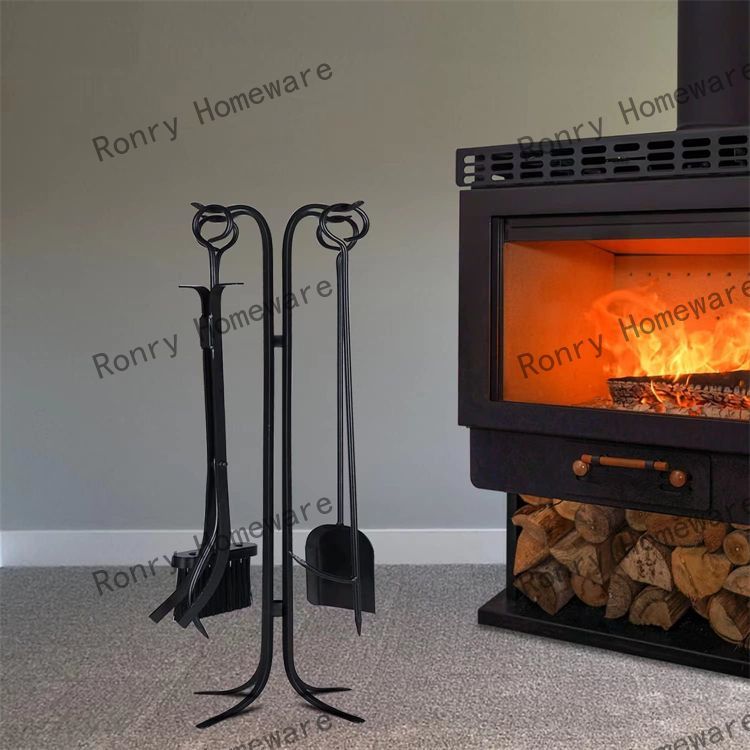
How Outdoor Heaters Enhance Your Outdoor Living Experience
How Outdoor Heaters Enhance Your Outdoor Living Experience
The allure of outdoor living is undeniable. Whether it's a summer barbecue, a winter gathering, or an autumn evening under the stars, outdoor spaces provide a beautiful backdrop for creating memories. However, as seasons change and temperatures fluctuate, enjoying these spaces can become challenging. This is where outdoor heaters come into
2025-09-26
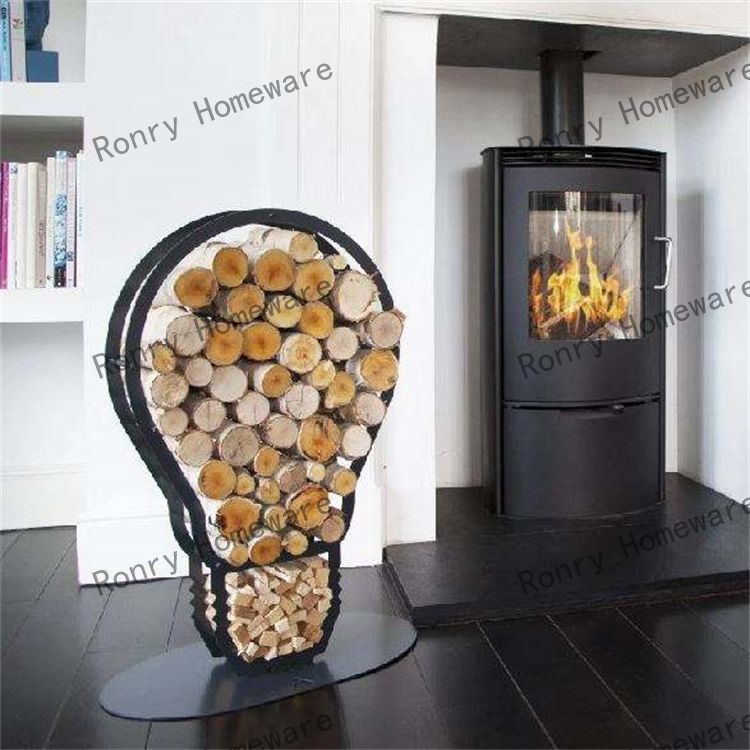
The Ultimate Guide to Choosing the Right Wood Burner Stove for Your Home
When it comes to heating your home effectively and efficiently, a wood burner stove can be an excellent choice. Unlike traditional heating methods, wood burners not only offer warmth but also create a cozy atmosphere. In this guide, we will explore the key considerations for selecting the right wood burner stove for your needs, ensuring that you make an informed decision that enhances your living
2025-09-23
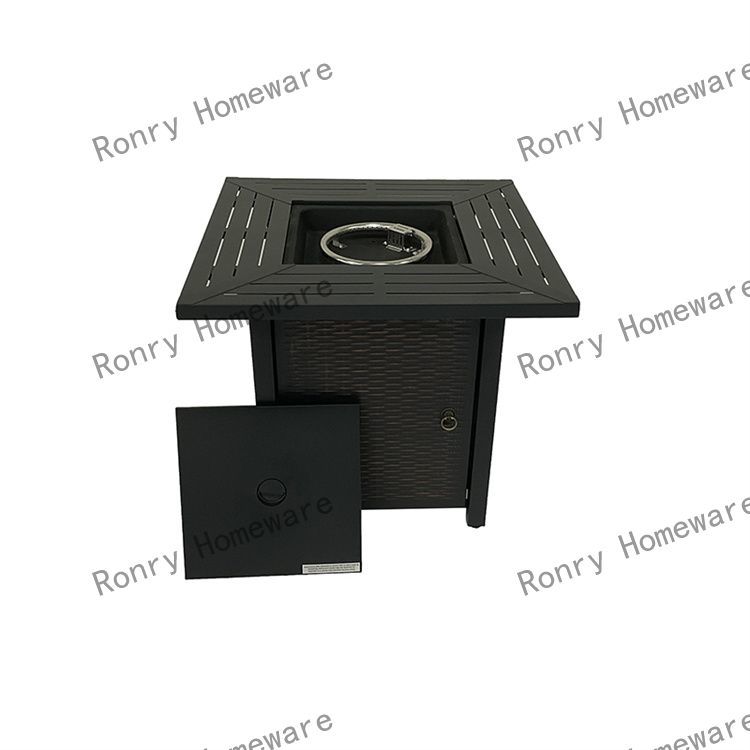
Transform Your Backyard into a Relaxing Haven with a Fire Pit Table
Transform Your Backyard into a Relaxing Haven with a Fire Pit Table
Introduction: The Allure of a Fire Pit Table
In recent years, the desire to create inviting outdoor spaces has surged, and one of the most captivating additions to any backyard is a **fire pit table**. This versatile piece not only provides warmth but also serves as a gathering place for family and friends, making your backyard a
2025-09-20

Ronry outdoor products is a manufacturing enterprise that is capable of design,development ,production, sales and after-sales service
Contact Us
No. 29 Siming Road, Guanqiao Town, AnxiCounty , Quanzhou City, Fujian Province