Welcome To Know Our Products,We Can Offer You High Quality Products!

The Ultimate Guide to Energy-Efficient Outdoor Heating Systems
2025-04-17
The Ultimate Guide to Energy-Efficient Outdoor Heating Systems
Table of Contents
1. Introduction to Energy-Efficient Outdoor Heating
2. Benefits of Energy-Efficient Outdoor Heating Systems
3. Types of Energy-Efficient Outdoor Heating Systems
3.1 Electric Outdoor Heaters
3.2 Gas-Powered Heaters
3.3 Infrared Heating Systems
3.4 Wo
The Ultimate Guide to Energy-Efficient Outdoor Heating Systems
Table of Contents
- 1. Introduction to Energy-Efficient Outdoor Heating
- 2. Benefits of Energy-Efficient Outdoor Heating Systems
- 3. Types of Energy-Efficient Outdoor Heating Systems
- 3.1 Electric Outdoor Heaters
- 3.2 Gas-Powered Heaters
- 3.3 Infrared Heating Systems
- 3.4 Wood-Burning Outdoor Heaters
- 4. Installation Tips for Outdoor Heating Systems
- 5. Maintenance and Safety Considerations
- 6. Understanding the Costs of Energy-Efficient Heating
- 7. Comparing Different Outdoor Heating Technologies
- 8. Frequently Asked Questions
- 9. Conclusion
1. Introduction to Energy-Efficient Outdoor Heating
As the chill of winter sets in, outdoor spaces can become less inviting, but energy-efficient outdoor heating systems offer a solution. These systems are designed not only for comfort but also to minimize energy consumption, ultimately benefiting both the environment and your wallet. In this guide, we will explore various types of energy-efficient outdoor heating systems, their benefits, and how to install and maintain them effectively.
2. Benefits of Energy-Efficient Outdoor Heating Systems
Energy-efficient outdoor heating systems provide several advantages, including:
2.1 Reduced Energy Consumption
These systems utilize advanced technology to heat spaces more efficiently than traditional methods, leading to significant energy savings.
2.2 Lower Utility Bills
By consuming less energy, homeowners can enjoy reduced utility bills, making these systems a cost-effective choice over time.
2.3 Environmental Impact
Using energy-efficient heating reduces greenhouse gas emissions, contributing to a more sustainable future.
2.4 Enhanced Comfort
These systems provide consistent and comfortable heat, allowing for extended use of outdoor spaces throughout the year.
2.5 Versatility
Energy-efficient outdoor heaters come in various styles and designs, suitable for patios, decks, and other outdoor areas, enhancing the aesthetics of your space.
3. Types of Energy-Efficient Outdoor Heating Systems
When considering outdoor heating solutions, it's essential to familiarize yourself with the different types available. Each system has unique features suited to various needs.
3.1 Electric Outdoor Heaters
Electric outdoor heaters are often installed on patios and balconies. They offer instant heat with no emissions, making them an attractive option for eco-conscious consumers. With features like adjustable heat settings and safety shut-off mechanisms, electric heaters provide both comfort and peace of mind.
3.2 Gas-Powered Heaters
Gas heaters, fueled by propane or natural gas, are another popular choice for outdoor heating. They are typically more powerful than electric heaters, making them ideal for larger spaces. However, they require proper ventilation and installation by a professional to ensure safety.
3.3 Infrared Heating Systems
Infrared heaters work by emitting infrared radiation, which warms people and objects directly rather than the air. This results in a more efficient heating process. Infrared systems are particularly effective in outdoor settings where wind can dissipate heat.
3.4 Wood-Burning Outdoor Heaters
Wood-burning heaters, such as fire pits and outdoor fireplaces, offer a traditional heating solution, creating a cozy ambiance. While they may require more maintenance, they are a sustainable option if sourced from responsibly harvested wood.
4. Installation Tips for Outdoor Heating Systems
Proper installation is crucial for the efficiency and safety of outdoor heating systems. Here are some key considerations:
4.1 Professional Installation
It is advisable to hire a qualified professional for the installation of gas and electric heaters to ensure compliance with local codes and safety standards.
4.2 Location Selection
Choose a location that maximizes heat distribution and minimizes wind exposure. Consider placing heaters near seating areas for optimal comfort.
4.3 Electrical and Gas Connections
Ensure that all electrical and gas connections are installed correctly and securely to prevent leaks and potential hazards.
4.4 Safety Measures
Follow all safety guidelines during installation. For gas heaters, ensure proper ventilation, and keep flammable materials away from the heating units.
5. Maintenance and Safety Considerations
Regular maintenance is vital for the longevity and efficiency of outdoor heating systems.
5.1 Regular Cleaning
Keep heaters clean and free from debris to ensure optimal performance. Dust and dirt can block heating elements and reduce efficiency.
5.2 Safety Checks
Conduct regular safety checks on gas connections, electrical wiring, and structural integrity to prevent accidents.
5.3 Seasonal Shutdown
At the end of the outdoor heating season, perform a thorough inspection and maintenance of the system to prepare it for storage.
6. Understanding the Costs of Energy-Efficient Heating
The initial investment for energy-efficient outdoor heating systems can vary significantly based on the type chosen.
6.1 Initial Purchase Price
Electric heaters tend to be more affordable upfront, while gas and infrared systems can require a larger investment due to installation costs.
6.2 Operating Costs
Consider the long-term operating costs, as electric heaters may have lower installation costs but higher electricity bills compared to gas heaters.
6.3 Return on Investment
Evaluating the potential return on investment is essential. Calculate savings from reduced energy bills and increased usage of outdoor spaces.
7. Comparing Different Outdoor Heating Technologies
When selecting an outdoor heating system, it helps to compare the technologies based on efficiency, cost, and suitability for your needs.
7.1 Efficiency Ratings
Examine the efficiency ratings of each heating system. Infrared heaters typically have high efficiency due to their targeted heating technology.
7.2 Cost-Effectiveness
Analyze the total cost of ownership, factoring in installation, maintenance, and energy consumption over time.
7.3 Aesthetic and Functional Considerations
Consider the design and style of the heaters to ensure they complement your outdoor space while meeting your heating needs.
8. Frequently Asked Questions
8.1 What is the most energy-efficient outdoor heating system?
The most energy-efficient system often depends on individual needs, but infrared heaters are generally considered among the most efficient due to their direct heating method.
8.2 How much does it cost to run an outdoor heater?
Operating costs vary by heater type; electric heaters can cost significantly more in energy bills compared to gas heaters, depending on local energy prices.
8.3 Can outdoor heaters be used in enclosed spaces?
It is not advisable to use gas heaters in enclosed spaces due to carbon monoxide risks. Electric heaters are safer for indoor use.
8.4 How long do outdoor heating systems last?
The lifespan of outdoor heating systems varies; electric models can last 10-15 years, while gas models may last longer with proper maintenance.
8.5 Are outdoor heaters safe to use?
Yes, when used according to manufacturer guidelines and local regulations, outdoor heaters can be safe. Regular maintenance and safety checks are vital.
9. Conclusion
Energy-efficient outdoor heating systems have transformed the way we enjoy our outdoor spaces, allowing us to extend their usability into the colder months. By understanding the types of heating systems available, their benefits, and the importance of proper installation and maintenance, homeowners can make informed choices that enhance comfort, reduce energy consumption, and promote sustainability. Whether opting for electric, gas, infrared, or wood-burning solutions, investing in an energy-efficient outdoor heating system is a step towards a more enjoyable and environmentally friendly outdoor experience.
RELEVANT INFORMATION
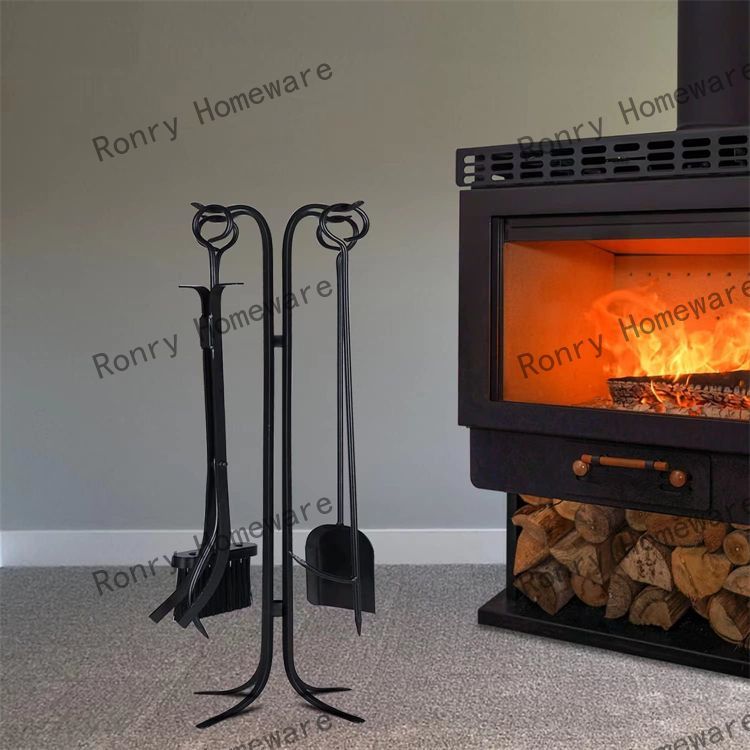
How Outdoor Heaters Enhance Your Outdoor Living Experience
How Outdoor Heaters Enhance Your Outdoor Living Experience
The allure of outdoor living is undeniable. Whether it's a summer barbecue, a winter gathering, or an autumn evening under the stars, outdoor spaces provide a beautiful backdrop for creating memories. However, as seasons change and temperatures fluctuate, enjoying these spaces can become challenging. This is where outdoor heaters come into
2025-09-26
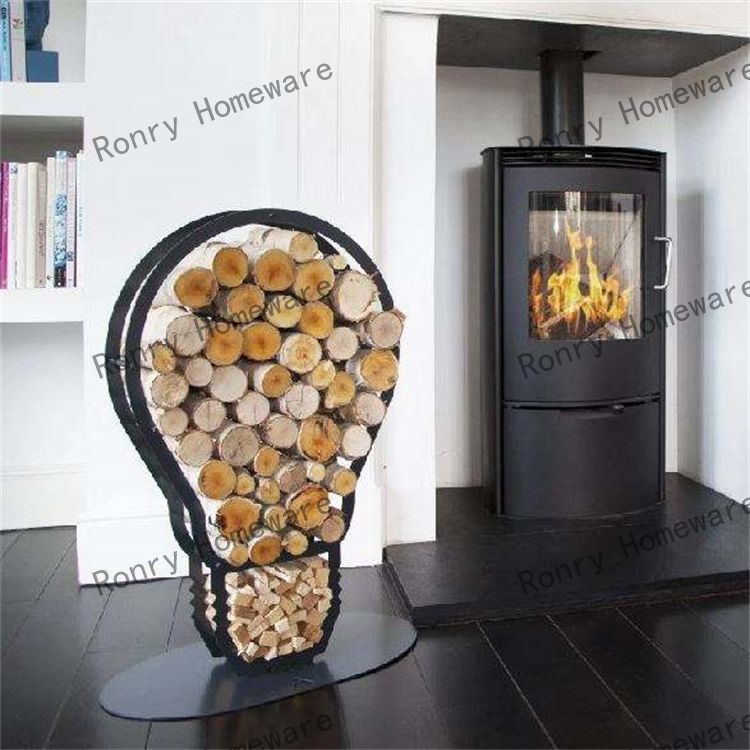
The Ultimate Guide to Choosing the Right Wood Burner Stove for Your Home
When it comes to heating your home effectively and efficiently, a wood burner stove can be an excellent choice. Unlike traditional heating methods, wood burners not only offer warmth but also create a cozy atmosphere. In this guide, we will explore the key considerations for selecting the right wood burner stove for your needs, ensuring that you make an informed decision that enhances your living
2025-09-23
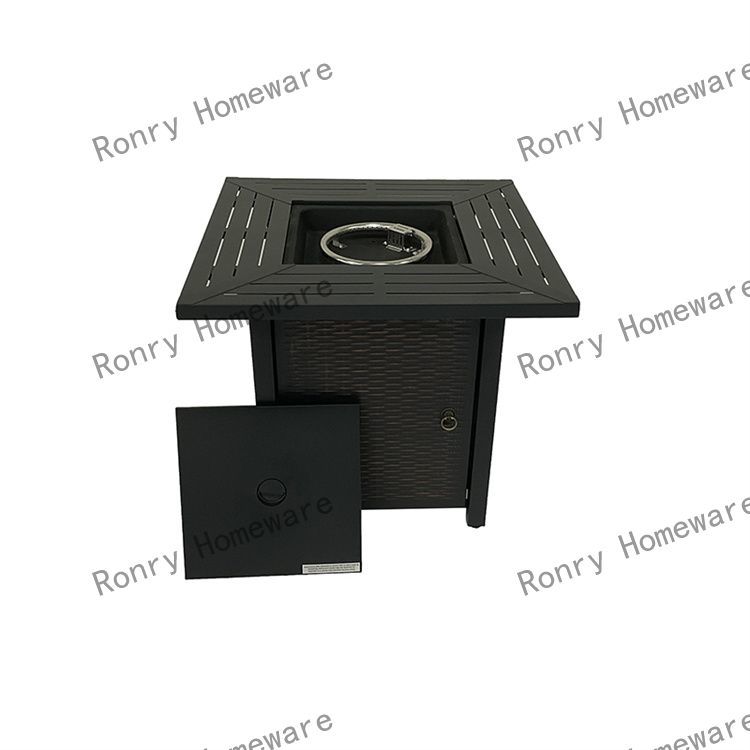
Transform Your Backyard into a Relaxing Haven with a Fire Pit Table
Transform Your Backyard into a Relaxing Haven with a Fire Pit Table
Introduction: The Allure of a Fire Pit Table
In recent years, the desire to create inviting outdoor spaces has surged, and one of the most captivating additions to any backyard is a **fire pit table**. This versatile piece not only provides warmth but also serves as a gathering place for family and friends, making your backyard a
2025-09-20

Ronry outdoor products is a manufacturing enterprise that is capable of design,development ,production, sales and after-sales service
Contact Us
No. 29 Siming Road, Guanqiao Town, AnxiCounty , Quanzhou City, Fujian Province